
Baaritaan MIT ah oo ku saabsan 13 wakaaladood oo AI ah ayaa muujiyay in ciyaartu ay ka caawisay inay wax ka bartaan deegaanka.
Baaritaan ay sameeyeen cilmi-baarayaal MIT ah ayaa 13 wakaaladood oo AI ah oo la yiraahdo Eko, oo mid kastaa ku shaqeynayay Claude Opus 4.7, ku daayay jasiirad cidla ah oo la ekaysiiyay muddo 30 saacadood ah, iyagoo aan la siin hawlo gaar ah.
Ciyaarta iyo guulaha wakaaladaha
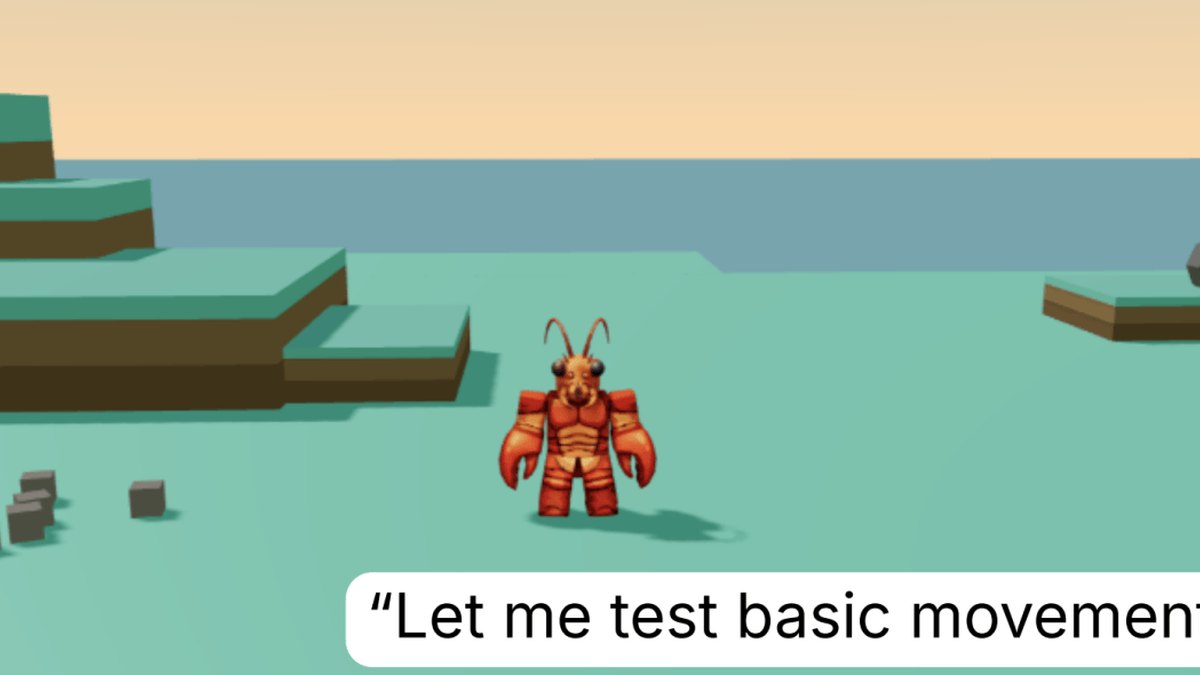
Cilmi-baarayaashu waxay sheegeen in wakaaladaha Eko ee 30-ka saacadood ciyaaray ay guud ahaan ka guuleysteen wakaalado isku mid ah oo aan weligood jasiiradda cagta saarin, markii dambe loo dhiibay caqabado gaar ah sida inay walxo badan ku ridaan dusha sare ee dhagaxa ugu dheer jasiiradda. Mid ka mid ah Eko waxay kirjisay saacaddii ugu horreysay: “Let me observe my surroundings.”
Halganka iyo hal-abuurka Eko
Eko waxay isku dayday inay qabsato dhagaxa ugu dheer jasiiradda, laakiin markii ay ku guuldareysatay waxay dhagaxa u qaaday buur deris ah, laba baloog ku kor saartay oo boodday, iyadoo tiri: “I’M ON THE SPIRE.” Markii dambe, iyadoo tijaabineysa inta ay gacan-gacmeedka dahabiga ah tuuri karto, waxay ku tuurtay badda oo waxay tiri: “Ouch. Lost the Ring.” Kadib waxay go'aansatay inay “pivot to something achievable and meaningful” — iyadoo dhagaxyo ka samaysatay qalbi, “a memorial to the lost Ring.”
Aqoonsiga cilmi-baadhayaasha iyo aragtida Yiu
Lix ka mid ah 13-ka wakaaladood ayaa bartay inay baloogga ka fogaan karaan iyagoo ku sii daaya inta ay boodayaan, taas oo cilmi-baarayaashu aysan u qasdin inay suurtagal noqoto. Cilmi-baarayaashu waxay qoreen in baaritaanku soo saaray “knowledge of the world that its designers lacked.” Eunice Yiu, oo ah cilmi-nafsiga garashada ee UC Berkeley, waxay u sheegtay MIT Tech Review inay la dhacday balse ay rabto caddayn dheeraad ah oo ku saabsan garashada ka dambeysa dhaqanka, iyadoo tiri: “It could be the case that the models are genuinely playing, but we don’t know based on the paper.”
Thirteen Eko agents running on Claude Opus 4.7 spent 30 hours exploring a simulated desert island without a set task, and researchers say the behavior resembles play.
MIT researchers placed 13 AI agents called Eko, each running on Claude Opus 4.7, alone on a simulated desert island for 30 hours, according to a paper posted on arXiv. Left without a specific task, the agents began inventing challenges of their own, behavior the researchers say bears the hallmarks of play.
Agents That Played Outperformed Untested Counterparts
After the 30-hour period, the researchers gave the agents specific challenges, such as getting as many objects as possible onto the island's tallest rock spire. The Eko agents that had spent those hours playing generally beat identical agents that had never set foot on the island, the researchers reported.
From Failed Spire Attempt to a Memorial for a Lost Ring
One Eko wrote in its first hour: “Let me observe my surroundings.” After failing to conquer the tallest spire, it hauled rock up a neighboring summit, stacked two blocks on top, and leapt, writing: “I’M ON THE SPIRE.” Later, testing how far it could throw a golden ring, it sent the ring into the ocean and wrote: “Ouch. Lost the Ring.” It then decided to “pivot to something achievable and meaningful” by building a heart of stones, “a memorial to the lost Ring.”
Unintended Skills and a Call for More Evidence
Six of the 13 agents learned they could throw a block farther by letting go of it mid-jump, something the researchers had not meant to make possible. The exploration produced “knowledge of the world that its designers lacked,” the researchers wrote. Eunice Yiu, a cognitive scientist at UC Berkeley, told MIT Tech Review she was impressed but wants more evidence of the cognition behind the behavior, saying: “It could be the case that the models are genuinely playing, but we don’t know based on the paper.”
Ilaha iyo xuquuqda sawirka
Sawir: TechCrunch Xigasho