
Xanuunka Sickle Cell waa Caqabad Bulsho oo Waaweyn oo Soomaaliya iyo Uganda ka jira
Xanuunka Sickle Cell waa caqabad weyn oo caafimaad bulsho ah oo Uganda ka jirta, iyadoo sanad kasta lagu dhasho 20,000 oo haweeneyd iyo wiilal. Xanuunkan waa mid la dhalo oo keena xanuun daran, iyadoo qaar badan oo carruurta ah ee Afrika ah ay ku dhacaan ka hor inta aanay gaarin sanadoodii shanaad sababo la xiriira xaqiijinta dembiyada.
Dib-u-eegis iyo Tallaabooyinka Caafimaadka
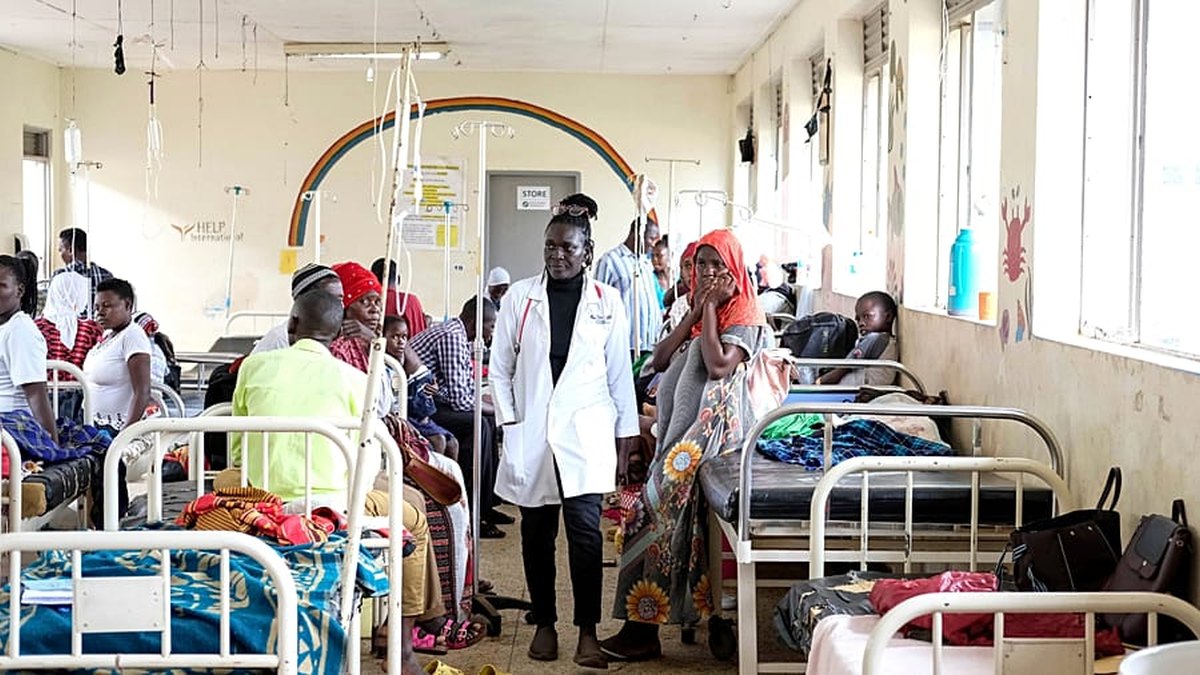
Waxaa jira safar adag oo laba sano ah oo Irene Nalukwago ku qaadatay inay gaarto isbitaalka Kayunga, halkaas oo ay ka soo baxday qofka caafimaadka ah. Da'deeda ayay ahayd hal sano iyo hal sano, markii ay bilaabatay inay u dhacdo xanuun iyo dhiig la'aan. Dr. Isaac Tumusiime, oo ah xubinta caafimaadka ee Isbitaalka Kayunga, wuxuu sheegay inay bilaabayaan daryeelka hore ee carruurta.
Waxaa la sheegay inay u bilaabaan daryeelka dhiigga iyo dhiig la'aanta, laakiin markii dambe la xaqiijiyay xanuunka Sickle Cell. Hadda, Uganda waxay ku guuleysatay inay sameyso baaritaanno oo aan la eegin carruurta cusub ee dalka oo dhan. Dr. Tumusiime wuxuu sheegay inay u bilaabaan daryeelka dhiigga iyo dhiig la'aanta hore, iyadoo la isticmaalo dawaadka Hydroxyurea.
Caqabadaha iyo Horumarka
Carruurta badan ee Afrika ah ayaa ku dhaca ka hor inta aanay gaarin sanadoodii shanaad, sababo la xiriira xaqiijinta dembiyada. Irene Nalukwago wuxuu sheegay in qofka uu noqday mid aan la isku dayin in la daryeelo, iyadoo uu xanuunsanayay xanuun daran. Waxaa la sheegay inay u bilaabaan daryeelka dhiigga iyo dhiig la'aanta, laakiin markii dambe la xaqiijiyay xanuunka Sickle Cell.
Waxaa la sheegay inay u bilaabaan daryeelka dhiigga iyo dhiig la'aanta, laakiin markii dambe la xaqiijiyay xanuunka Sickle Cell. Hadda, Uganda waxay ku guuleysatay inay sameyso baaritaanno oo aan la eegin carruurta cusub ee dalka oo dhan. Dr. Tumusiime wuxuu sheegay inay u bilaabaan daryeelka dhiigga iyo dhiig la'aanta hore, iyadoo la isticmaalo dawaadka Hydroxyurea.
Sickle cell disease continues to pose a severe public health challenge in Uganda, affecting nearly 20,000 newborns annually. While mandatory newborn screening has expanded and early treatment protocols are improving survival rates, a potential gene therapy cure remains inaccessible to most patients for now.
Early Intervention Saves Lives
The inherited blood disorder causes severe pain, and many children in Africa die before their fifth birthday due to late diagnosis. However, Uganda has now scaled up mandatory screening for newborns across the country to address this gap. At Kayunga Referral Hospital, medical officer Dr Isaac Tumusiime stated that all children are started on hydroxyurea as early as nine months. The oral prescription medication lowers the number of painful attacks and the need for blood transfusions. And there is continuous supply so there is good adherence to the treatment as well, so most of the children have
Medical professionals agree that early diagnosis is vital, helping to manage the condition before it becomes severe. Patients at the clinic understand that staying on top of routine check-ups can help them remain healthy and avoid life-threatening complications such as strokes. Doctors say regular monitoring allows problems to be detected early, easing pressure on already stretched health workers, while giving patients a better chance at longer, healthier lives.
Personal Toll of the Disease
Thousands of children have gone years without early diagnosis and proper treatment. Irene Nalukwago described a gruelling twelve-year journey to a sickle cell clinic in Kayunga, where her daughter was born healthy but became anaemic at six months old. Nalukwago said they started giving her daughter transfusions almost every week, but she was in a lot of pain. It was then that doctors began to suspect a deeper problem. Tests later confirmed sickle cell disease. Now 12-years-old, repeated attacks of the inherited genetic blood disorder have left a heavy toll. She became paralysed on the left
Tumisiime said they encourage parents to manage their children on hydroxyurea with a hope that maybe one day gene therapy could be affordable. For the moment, it remains out of reach for the majority of people who need it most.
Ilaha iyo xuquuqda sawirka
Sawir: Africanews Xigasho