
Xaaladda El Niño oo Soomaaliya ku dhacaysa: OCHA waxay sheegtay in 3.4 Milyan oo qof ay ku xadgudub karaan
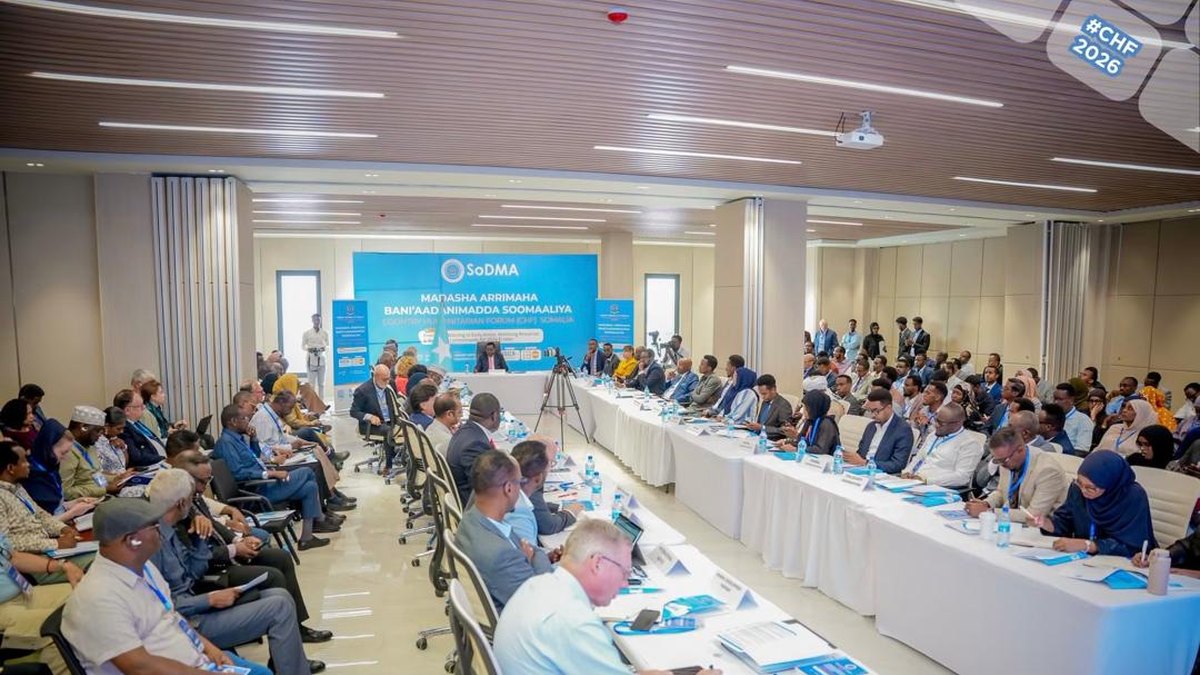
Xafiiska Isku-xirka Arrimaha Aadanaha ee Qaramada Midoobay (OCHA) wuxuu sheegay in barashada tooska ah ee El Niño ee Soomaaliya ay ku dhacaysaa 3.4 Milyan oo qof, iyadoo dowladda federaalku ay kulan degdeg ah ku qabatay xarunta SoDMA si loo diyaariyo diyaar garowga.
Dhibaatada Dhaqaale iyo Caafimaad
OCHA waxay sheegtay in barashada tooska ah ee El Niño ee Soomaaliya ay ku dhacaysaa 3.4 Milyan oo qof, iyadoo dowladda federaalku ay kulan degdeg ah ku qabatay xarunta SoDMA si loo diyaariyo diyaar garowga.
Barashada tooska ah ee El Niño waxay ku dhacaysaa 16 ka mid ah 18 gobolka dalka, iyadoo xadgudubka u dhigma ama ka sarreeya xaaladaha 1997 iyo 2023, iyadoo caafimaadka dhaqaale la xiriira.
Kulanka Degdegga ah ee Dowladda
Wasiirka Arrimaha Gudaha, Xiriirka Federaalka iyo Isku-dhafka, H.E. Ali Yusuf Hosh, wuxuu hoggaamiyay kulanka degdegga ah ee SoDMA, iyadoo la isku dayay in la diyaariyo diyaar garowga.
Kulanka waxaa ka qayb galay xubno ka tirsan wasiirrada, saraakiishka difaaca, maamulka Banadir, hoggaamiyayaasha diniyadda, iyo xubno ka tirsan ganacsiga.
Talaabooyinka Diyaar garowga
Kulanka waxaa loo qaybiyay in la diyaariyo diyaar garowga, la xaliyo wadada dabiiciga ah, la xoojiyo dhaqaalaha dhaqaalaha, iyo in la isku xiro dhaqaalaha dhaqaalaha.
Haddii caafimaadka dhaqaale la xiriira, waxaa jira caafimaadka dhaqaale la xiriira, iyadoo caafimaadka dhaqaale la xiriira.
The United Nations Office for the Coordination of Humanitarian Affairs (OCHA) has issued a stark warning that heavy El Niño rains forecast for October through December could affect up to 3.4 million people across Somalia, prompting the Federal Government to convene an urgent high-level crisis response session aimed at accelerating national preparedness and mitigation strategies before the Deyr rainy season intensifies.
A Threat on Par with Past Climate Emergencies
OCHA's latest projections indicate that the anticipated heavy rainfall will threaten 16 of the country's 18 regions, posing severe flood risks in riverine and low-lying zones—particularly in Hiraan, Middle Juba, and Lower Juba. These potential conditions threaten to match or surpass the devastating benchmarks of the 1997 and 2023 climate emergencies, arriving while hundreds of health facilities remain closed or constrained due to critical funding gaps.
The scale of the projected disaster underscores the urgency of the situation, as the nation faces a convergence of climatic volatility and systemic infrastructure weaknesses that could amplify humanitarian suffering across vast swathes of the country.
High-Level Coordination to Mobilize National Defense
To confront this looming threat, the Minister of Interior, Federal Affairs and Reconciliation, H.E. Ali Yusuf Hosh, chaired a high-level emergency coordination meeting at the Somali Disaster Management Agency (SoDMA) headquarters. The session brought together key cabinet members, defense officials, the Banadir Regional Administration, religious leaders, and business representatives to strategize on immediate nationwide defense and relief measures.
Discussions centered on operationalizing early warning networks, clearing blocked waterways, reinforcing the National Disaster Risk Management Fund, and aligning federal and local resources to protect vulnerable communities before the Deyr rainy season intensifies.
Critical Gaps in Health Infrastructure Complicate Response
The convergence of climatic danger and institutional fragility is further highlighted by the fact that hundreds of health facilities remain closed or constrained due to critical funding gaps, leaving populations in the most vulnerable regions without adequate access to life-saving services during a period of anticipated crisis.
This structural deficit in health infrastructure means that even as the government mobilizes emergency coordination efforts, the capacity to deliver timely medical care to flood-affected communities remains severely compromised, raising concerns about the potential for a secondary health emergency.