
Israa'iil: Doorasho ugu horreysa tan iyo 7 Oktoobar 2023 oo la qabanayo Talaado
Ra'yi-ururinta ka horreeyay xayiraadda sahanka waxay muujisay in aanay jirin koox heshay aqlabiyadda 61 kursi
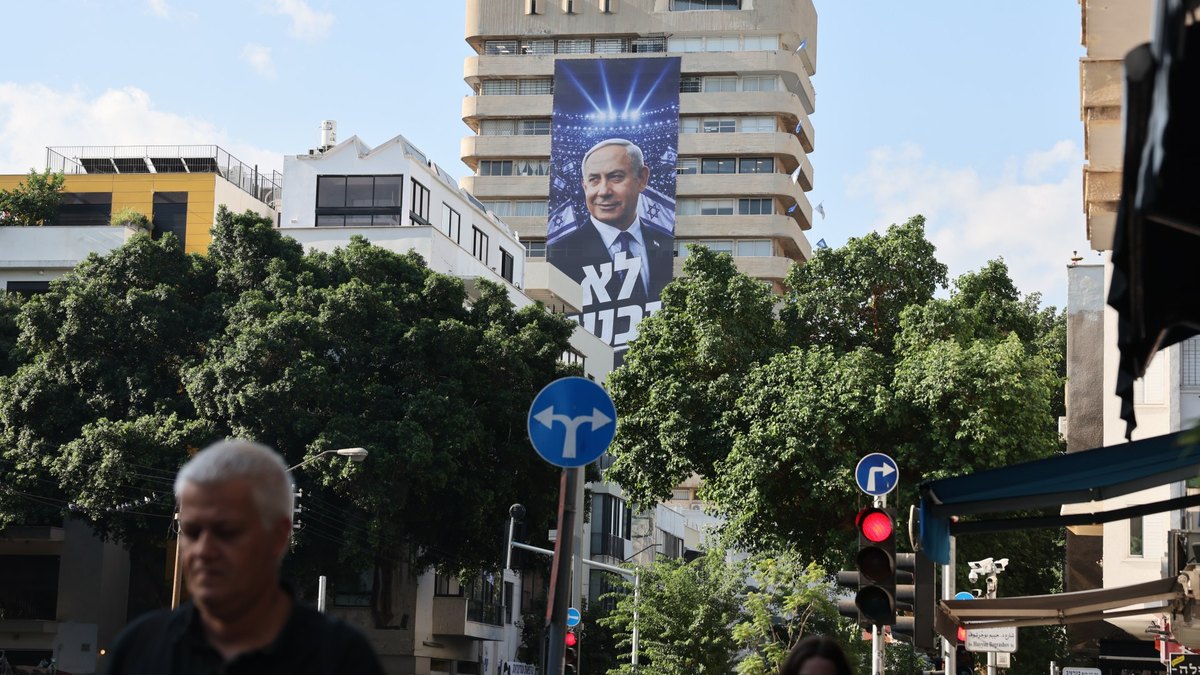
Israa'iiliyiintu waxay Talaado u gudbi doonaan sanduuqyada codbixinta doorasho sharci-dejin, taasoo ah doorashadii ugu horreysay tan iyo weerarradii ay Hamas hoggaaminayay 7 Oktoobar 2023 iyo dagaalkii ka dib ka dhacay Qasa.
Xisbiyada waaweyn iyo natiijooyinka ra'yi-ururinta
Xisbi kasta oo gaara heerka 3.25 boqolkiiba wuxuu galayaa baarlamaanka, muddadiisuna tahay afar sano. Kooxda taageerta Netanyahu waxaa hoggaamiya xisbiga Likud, waxaana ku biiray United Torah Judaism, Shas, Otzma Yehudi iyo Religious Zionism-Zehut. Kooxda mucaaradka waxaa ka mid ah Yashar oo uu hoggaamiyo Gadi Eisenkot, Democrats oo uu hoggaamiyo Yair Golan, Yisrael Beiteinu oo uu hoggaamiyo Avigdor Lieberman, iyo isbahaysiga Together oo uu hoggaamiyo Naftali Bennett uuna ku biiray Yair Lapid.
Ra'yi-ururin muujinaya isku dheellitirnaan
Ra'yi-ururinta ugu dambeeyay ee la daabacay ka hor inta aanay xayiraadda sahanka cusub dhaqan galin Jimcihii waxay muujisay in aanay jirin koox u muuqata in ay heli karto aqlabiyad baarlamaan oo 61 kursi. Sahanka ay qaaday KAN waxa uu saadaaliyay in isbahaysiga mucaaradku uu ku guuleysan doono 52 kursi oo ka mid ah 120 kursi ee Knesset, halka kooxda Netanyahu ay heli lahayd 50 kursi, kuraasta hadhayna ay qaadan doonaan xisbiyo aan xiriir la lahayn, oo ay ku jiraan Ra'am iyo Joint List.
Mawqifka xisbiyada Falastiiniyiinta hoggaamiya
Qiyaastii 7.3 milyan oo muwaadiniin Israa'iiliyiin ah ayaa xaq u leh in ay cod bixiyaan Talaadada, oo ay ku jiraan muwaadiniinta Falastiiniyiinta ah ee Israa'iil oo gaaraya qiyaastii 1.2 milyan. Ra'yi-ururin dhawaan la qaaday waxa uu soo jeediyay in ka-qaybgalka muwaadiniinta Falastiiniyiinta ah uu gaari karo 60 boqolkiiba, iyadoo inta badan codadka la filayo in ay u tagaan liisaska Carabta. Haddii ka-qaybgalku gaaro 65 boqolkiiba, xisbiyadani waxa laga yaabaa in ay ku guuleystaan ilaa 15 kursi oo Knesset ah.
Polls before the survey ban showed neither bloc near the 61-seat majority needed in the 120-seat Knesset.
Israelis go to the polls on Tuesday for legislative elections, the first since the Hamas-led attacks of October 7, 2023 and the subsequent war in the Gaza Strip. Pre-election polling indicated neither main bloc was on course for a parliamentary majority.
Two blocs, no clear majority
Any party clearing the 3.25 percent threshold enters the 120-seat Knesset, whose term lasts four years. The pro-Netanyahu coalition is led by Prime Minister Benjamin Netanyahu's Likud and joined by United Torah Judaism, Shas, Otzma Yehudi and Religious Zionism-Zehut. The opposition coalition comprises Yashar, led by Gadi Eisenkot; the Democrats, led by Yair Golan; Yisrael Beiteinu, led by Avigdor Lieberman; and the Together alliance, led by Naftali Bennett and joined by Yair Lapid.
A KAN poll published before Friday's ban on new surveys projected the opposition alliance at 52 seats against 50 for Netanyahu's bloc, with the rest going to unaffiliated parties including Ra'am and the Joint List. Both blocs have effectively ruled out joining forces with the Arab-led parties for now.
What is at stake, in the words of analysts
Mairav Zonszein, a senior analyst at the International Crisis Group, told Al Jazeera: "The secular and liberal opposition factions in Israel feel this election is the last chance to save Israeli democracy and restore the institutions that have eroded over Netanyahu's successive terms." Sociologist Yehouda Shenhav-Shahrabani said: "Strains of Israeli society had always been given to violence and right-wing rhetoric, but the trends that had always been present had accelerated under the current government."
Who can vote, and the Arab-party question
About 7.3 million Israeli citizens are eligible to vote, including about 1.2 million Palestinian citizens of Israel. Roughly three million adult Palestinians in Gaza, the occupied West Bank and occupied East Jerusalem have no say in the government that controls their borders, movement and legal status. Recent polling suggested turnout among Palestinian citizens of Israel could reach 60 percent, with most votes expected to go to the Arab lists; at 65 percent, those parties could potentially win as many as 15 seats.
Last month, Israel's Central Elections Committee voted to bar the Joint List and Ra'am, but the top court quickly reversed that decision. The court did force Balad leader Sami Abu Shehadeh to withdraw over an article describing the October 7 attacks as "an important historical event". Joseph Mansour, a former aide to Knesset member Ayman Odeh, wrote: "If Palestinian-led party support becomes politically toxic and the opposition falls short of 61 seats, the deadlock itself becomes the latest win for Netanyahu."
Ilaha iyo xuquuqda sawirka
Sawir: Al Jazeera English Xigasho