
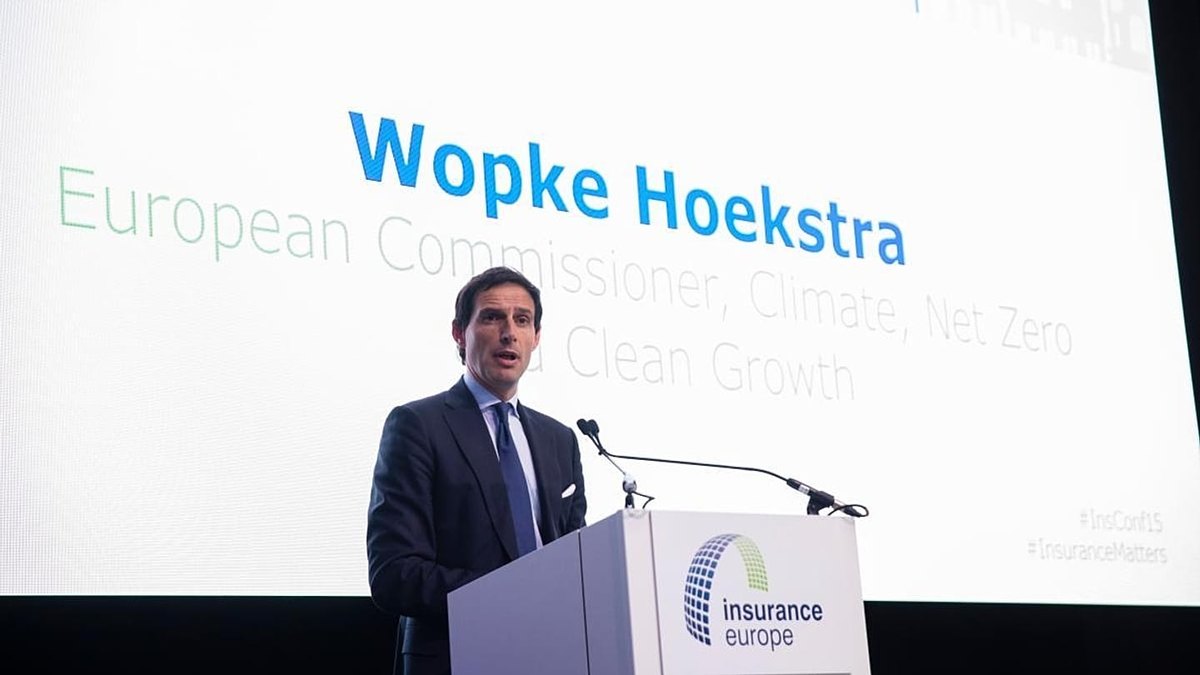
Komishanare Wopke Hoekstra oo Euronews u sheegay in maalgashi hore u baahan tahay si loo yareeyo khasaaraha cimilada
Wopke Hoekstra, Komishanare Hawlgelinta Cimilada ee Midowga Yurub, ayaa ku dooday in adkaysiga cimilada, amniga tamarta iyo madaxbannaanida juqraafiyeed ay yihiin kuwo aan la kala saari karin. Kaydka gaaska Yurub ayaa weli ka hooseeya bartilmaameedka iyadoo marinada Hormuz ay xanniban yihiin.
Diyaar garowga iyo Khasaaraha Xagaaga
Hoekstra wuxuu tilmaamay in Yurub ay sanadkan ka diyaar garoobnayd midkii hore, iyadoo la kordhiyay dab-demiye, diyaaradood iyo helikobtar. Si kastaba ha ahaatee, aag laba jibbaar baaxadda Luxembourg ayaa ku lumay dabagal, halka Spain iyo France ay khasaareen kunnaan hektar.
Qiyaasaha khasaaraha dhaqaale wuxuu u dhexeeyaa €50 bilyan ilaa €70 bilyan ama ka badan. Ugu yaraan 14 shaqaale degdeg ah ayaa u dhintay dabagalka, waxaana ugu yaraan 30,000 qof ay ku dhinteen kulaylka xilliga xagaaga ee dalka 23 ka mid ah.
Maalgashi iyo Hadafyo Cimilada
Hoekstra wuxuu yiri: "All evidence shows that making the upfront investments is way cheaper than just being hit by fire, being hit by floods and then paying for the damage. That's just way more costly". Wuxuu intaa ku daray: "There is no easy way out and there's no alternative to continuing with our climate ambition".
Qaabkiisa uu doorbidayo wuxuu isku xiraa ficil cimila, tartan dhaqaale iyo madaxbannaanida Yurub. Wuxuu tusaale u soo qaatay Finland, Denmark iyo Sweden in siyaasadda cimiladu ay xoojin karto tartanka dhaqaale. Wuxuu yiri: "It is imperative that we marry-bridge climate action with competitiveness and with independence".
Amniga Tamarta iyo Miisaaniyadda
Marinka Hormuz wuxuu matalaa 20% safarka saliidda iyo gaaska adduunka. Yurub waxay ku tiirsan tahay 80% soo dejinta gaaska iyo 95% saliidda. Kaydka gaaska ayaa hadda joogaya 62%, heerkiisi ugu hooseeya tan 2011.
Wadamada Yurub waa inay sii buuxiyaan kaydka oo ay isu diyaariyaan jiilaal adag. Waxaa dib loo bilaabay wadahadalada miisaaniyadda 2027–2034, iyadoo Jarmalka, Austria, Denmark, Finland, Netherlands iyo Sweden ay rabaan dhimis. Wuxuu yiri: "Our gas comes primarily from the US and from Norway. That makes it slightly easier, but of course it is a global market, so there is a fight for this gas potentially coming to us as well".
EU Climate Action Commissioner Wopke Hoekstra told Euronews that the bloc must spend more now to shield itself from worsening climate disasters, warning that paying for fires and floods after they strike will ultimately cost far more than prevention.
A Summer of Devastation
Hoekstra described the summer as 'dramatic', noting that while the EU deployed more firefighters, planes and helicopters than last year, the scale of destruction barely improved. Fires consumed an area twice the size of Luxembourg, with Spain and France losing thousands of hectares to the blazes.
At least 14 first responders died fighting the fires, and the European Mortality Monitoring Platform recorded an excess death of at least 30,000 people across 23 countries during the heatwave. Estimates of the economic damage range from €50 billion to €70 billion or more.
Energy Vulnerability and the Strait of Hormuz
The Dutch Commissioner linked the bloc's climate policy direction to Europe's energy vulnerability, particularly amid uncertainty around the Strait of Hormuz, which accounts for 20% of the world's oil and gas transit. The EU has around 80% dependence on gas imports and 95% on oil imports, a situation Hoekstra called 'a very bad hand'.
EU gas storage is currently at its lowest level since 2011, sitting at around 62%. Hoekstra warned that countries must continue filling storage and prepare for the possibility of low storage combined with a severe winter, a scenario he described as one 'no one can afford'.
Bridging Climate Action and Competitiveness
Hoekstra rejected the idea that climate action and economic competitiveness are competing priorities, insisting it is 'imperative that we marry-bridge climate action with competitiveness and with independence'. He pointed to Finland, Denmark and Sweden as examples where climate policy and competitiveness can reinforce each other.
His preferred formula combines climate action, competitiveness and European independence, including reducing dependence on China for clean technologies. He also noted that talks are resuming to decide on the EU's proposed long-term budget for 2027–2034, with several member states seeking to cut it.
Ilaha iyo xuquuqda sawirka
Sawir: Euronews Europe Xigasho