Xaaladda Xujeyda Ku Sugan Banka Carafo
Executive Summary
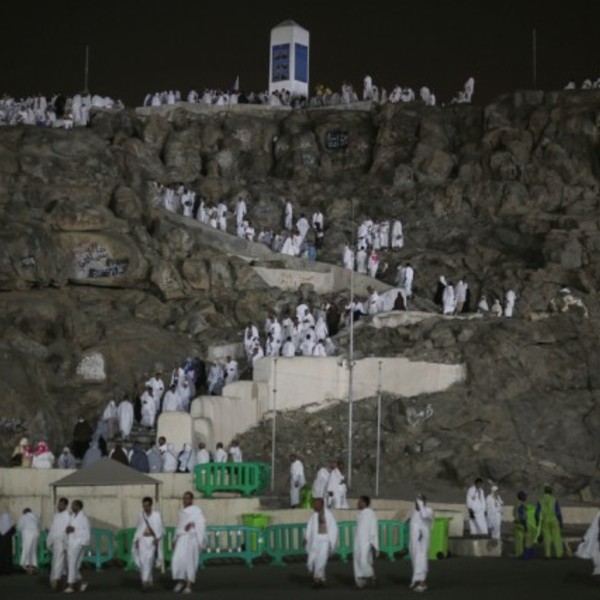
The annual Hajj pilgrimage to Mecca, a profoundly spiritual journey for millions of Muslims worldwide, presents unique challenges. This article delves into the specific conditions and experiences of pilgrims congregated at Mount Arafat (Jabal al-Rahmah), known as Banka Carafo in Somali, during the pivotal Day of Arafat. We will explore the logistical complexities, the emotional intensity, and the spiritual significance of this crucial stage of the Hajj. By examining key aspects like health considerations, safety protocols, the spiritual atmosphere, and the sheer scale of the gathering, we aim to provide a comprehensive understanding of the realities faced by pilgrims at Banka Carafo. This is crucial for future planning and preparedness by both pilgrims and Hajj organizers to ensure a safe, smooth, and spiritually enriching experience for all.
Introduction
The Day of Arafat, spent in supplication on Mount Arafat, is the culmination of the Hajj pilgrimage. For millions of Muslims, this day represents a profound moment of spiritual reflection and connection with God. However, the sheer scale of the gathering, the intense heat, and the logistical challenges of managing such a vast congregation present significant complexities. This article will explore these complexities, providing insights into the conditions, challenges, and spiritual significance of the Hajj experience at Banka Carafo, helping both potential pilgrims and organizers better understand and prepare for this momentous occasion.
Frequently Asked Questions (FAQ)
-
Q: What is Banka Carafo? A: Banka Carafo is the Somali name for Mount Arafat (Jabal al-Rahmah), the location where pilgrims gather on the Day of Arafat during the Hajj pilgrimage.
-
Q: What are the key challenges faced by pilgrims at Mount Arafat? A: The key challenges include extreme heat, overcrowding, potential health issues, and the logistical difficulties of providing services to millions of people in a relatively confined space.
-
Q: How can pilgrims prepare for the physical demands of the Day of Arafat? A: Pilgrims should prioritize physical fitness before the Hajj, stay hydrated, wear appropriate clothing, and follow the advice of medical professionals regarding medication and health precautions.
The Spiritual Significance of Mount Arafat
The Day of Arafat is considered the heart of the Hajj pilgrimage. It’s believed that on this day, Prophet Muhammad (peace be upon him) delivered his farewell sermon, a pivotal moment in Islamic history. Spending the day on Mount Arafat, engaging in prayer, reflection, and supplication, is believed to bring immense spiritual rewards and forgiveness.
-
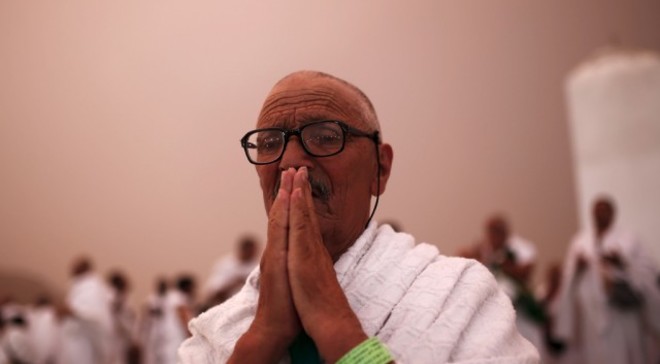
Dhikr and Dua: The air vibrates with the collective dhikr (remembrance of God) and dua (supplication) from millions of pilgrims, creating a powerful and moving atmosphere. This collective spirituality is a defining feature of the experience.
-
Seeking Forgiveness: The Day of Arafat is a day for seeking forgiveness for past sins. Many pilgrims spend the time reflecting on their lives and making sincere repentance.
-
Renewed Faith and Purpose: The intense spirituality of the day often leads to a renewed sense of faith, purpose, and commitment to living a life according to Islamic principles.
-
Brotherhood and Unity: The shared experience of the Hajj, particularly the Day of Arafat, fosters a sense of brotherhood and unity among Muslims from diverse backgrounds, transcending national and cultural boundaries.
-
Arafat Prayer: The congregational prayer performed on Mount Arafat is a particularly significant ritual, symbolizing the unity and collective devotion of the pilgrims.
Health and Safety Considerations at Mount Arafat
The sheer number of pilgrims gathered on Mount Arafat creates significant health and safety concerns. The intense heat, potential for dehydration, and risk of overcrowding necessitate careful planning and preparedness.
-
Heatstroke Prevention: Staying hydrated, wearing light-colored clothing, and seeking shade are crucial in preventing heatstroke. Medical personnel are present, but pilgrims should take personal responsibility for their health.
-
Crowd Management: Authorities implement crowd control measures, but pilgrims should be aware of their surroundings and avoid overcrowding. Staying with designated groups is recommended.
-
Medical Assistance: Medical services are available on-site, but pilgrims with pre-existing health conditions should consult their doctors before undertaking the pilgrimage and carry necessary medications.
-
Hygiene and Sanitation: Maintaining good hygiene is essential to prevent the spread of infectious diseases. Using available sanitation facilities and practicing good hygiene habits are crucial.
-
Emergency Preparedness: Pilgrims should know emergency contact numbers and evacuation procedures. Staying informed about any announcements from Hajj officials is important.
Logistical Challenges of Managing the Hajj at Mount Arafat
Managing the Hajj pilgrimage on the Day of Arafat is a monumental logistical undertaking. Providing water, food, sanitation facilities, and medical services to millions of people in a relatively confined space requires meticulous planning and coordination.
-
Water and Food Distribution: Efficient systems are in place to distribute water and food to the vast number of pilgrims. However, the sheer scale of the operation can lead to occasional delays or shortages.
-
Sanitation Facilities: Adequate sanitation facilities are essential to maintain hygiene and prevent the spread of disease. However, the high density of pilgrims can strain the available facilities.
-
Transportation and Infrastructure: Efficient transportation systems are needed to move pilgrims to and from Mount Arafat. The infrastructure must be able to handle the massive influx of people.
-
Communication and Information Dissemination: Clear and effective communication is crucial to keep pilgrims informed about important announcements, safety procedures, and potential delays.
-
Waste Management: Effective waste management systems are essential to prevent environmental pollution and maintain a hygienic environment for the pilgrims.
The Emotional and Psychological Impact of the Hajj at Mount Arafat
The Hajj pilgrimage, especially the Day of Arafat, is a profoundly emotional and spiritual experience. The intense atmosphere, the sheer number of fellow pilgrims, and the profound religious significance of the day can evoke a wide range of feelings.
-
Spiritual Upliftment: Many pilgrims experience an overwhelming sense of spiritual upliftment and connection with God. The collective prayer and reflection can be profoundly moving.
-
Emotional Release: The Hajj can provide an opportunity for emotional release, allowing pilgrims to confront personal challenges and seek spiritual healing.
-
Sense of Community: The shared experience fosters a strong sense of community and belonging among pilgrims.
-
Overwhelm and Anxiety: The sheer scale of the event, combined with the physical demands, can lead to feelings of overwhelm and anxiety for some pilgrims.
-
Post-Hajj Reflection: The experience often leads to profound self-reflection and a renewed sense of purpose in life.
Conclusion
The Hajj pilgrimage, specifically the experience at Banka Carafo on the Day of Arafat, is a complex and multifaceted event. While it presents significant logistical and physical challenges, the spiritual rewards and profound emotional impact are undeniable. Understanding these aspects—from the spiritual significance to the practical considerations of health, safety, and logistics—is essential for both pilgrims and organizers to ensure a safe, fulfilling, and spiritually enriching experience for all. By acknowledging and addressing the challenges, we can help facilitate a smoother and more meaningful Hajj for future generations. The collective experience of standing on Mount Arafat, united in prayer and supplication, is a testament to the power of faith and the enduring legacy of the Hajj.
Keyword Tags:
Hajj, Mount Arafat, Banka Carafo, Day of Arafat, Pilgrimage