
Telescope-ka Nancy Grace Roman Space Telescope ee NASA ayaa dhawaan la bilaabayaa, waana markii ugu horreysa ee muraayadaha firfircoon ee space-ka laga duulo. Qalabkiisa coronagraph wuxuu tijaabinayaa inuu si toos ah u qabsado iftiinka xiddigga oo ka muuqda meeraha.
Awoodda Qalabka Coronagraph-ga
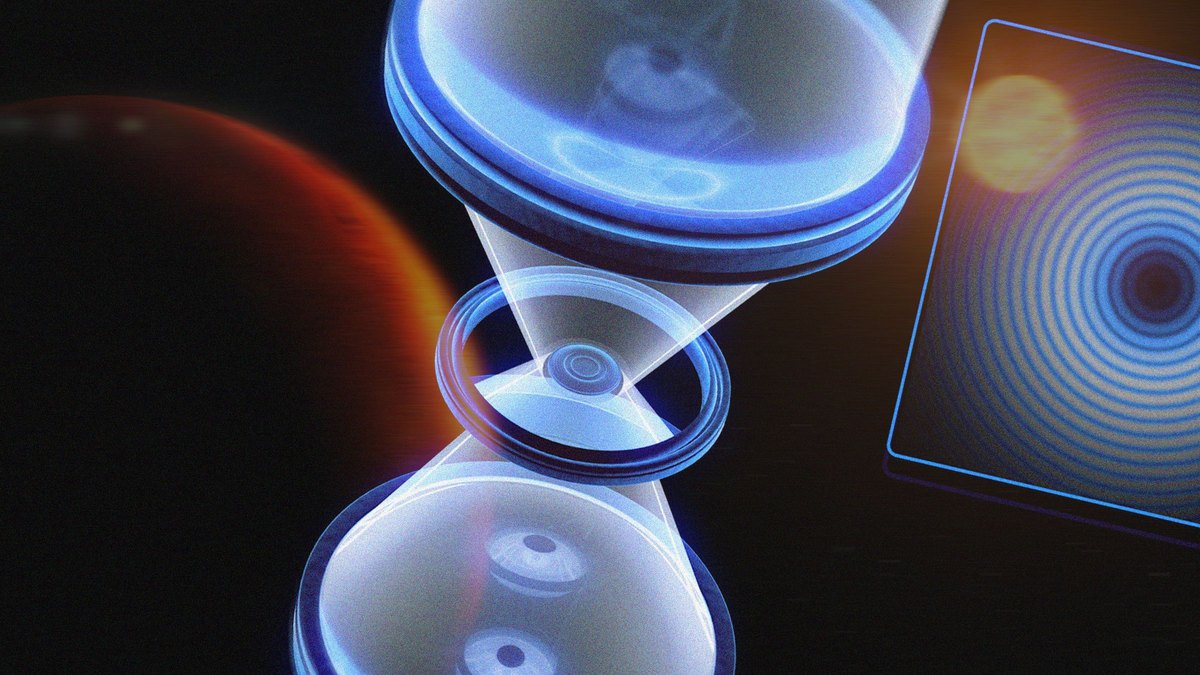
Qalabka coronagraph-ga ee telescope-ka Roman wuxuu aad uga casrisan yahay kuwii hore, taas oo ugu horreysa tiknoolajiyada la yiraahdo adaptive optics. Qalabkani wuxuu adeegsanayaa laba muraayadood oo qoob-ka-qoriga ku habboon, mid walbana ku xiran qiyaastii 2,300 actuators yar-yar.
Wuxuu sidoo kale u baahan yahay detectors aad u xasaasi ah si ay u kordhiyaan calaamadda photons-ka shaqsiga ah, iyo wuxuu adeegsadaa masks qurux badan oo kakan oo aan horey space-ka laga arag. Sida uu qabo Bruce Macintosh, waa 'beautiful, complicated shapes'.
Tijaabooyinka iyo Ujeedooyinka Sayniska
Inta uu coronagraph-gu shaqaynayo, saynisyahano ayaa tijaabin doona inuu awoodo inuu arko tiro yar oo exoplanets la og yahay. Margaret Turnbull ayaa tiri: 'If we go through the whole thing and we don't see them, then we know something is wrong with the coronagraph, because those planets are there.'.
Wuxuu sidoo kale beegsan doonaa xiddigo yar oo ay hareereeyaan daruurta boodhka ama qashinka, waxna ku darayaa telescope-yada mustaqbalka sida Habitable Worlds Observatory ee la rajeynayo in la bilaabo 2040-meeyada. Waa tallaabo muhiim ah oo hordhac u ah baaritaannada.
Saamaynta Mustaqbalka
Vanessa Bailey oo ka tirsan Jet Propulsion Laboratory ayaa sheegtay: 'We'll test them in space for the first time, and we'll understand what work still is left to go.' Tani waxay muujinaysaa sida coronagraph-ga Roman uu u yahay tijaabo lagama maarmaan u ah horumarka mustaqbalka.
Coronagraph la mid ah ayaa sidoo kale loo wadaa inuu duulo Lazuli Space Observatory, waxaana coronagraph-ga Roman laga yaabaa inuu maalin uun muujiyo xiddigo laba-leh ama walxo qarsoon oo u dhow quasars dhalaalaya. Julie McEnery ayaa tiri: 'Obviously, the best way of demonstrating that something works is to do something interesting scientifically.'.
NASA's Nancy Grace Roman Space Telescope is set to launch with a specialized coronagraph that will attempt to directly capture starlight reflected off a planet's surface for the first time, marking a historic leap in space-based exoplanet research.
A Coronagraph Like No Other
NASA's Roman Space Telescope contains a specialized coronagraph that will attempt to directly capture starlight reflected off a planet's surface for the first time. The instrument is light-years more sophisticated than its predecessors, thanks largely to technology called adaptive optics, which deforms a telescope's mirror to cancel out light distortions.
The coronagraph uses two palm-sized mirrors, each rigged with approximately 2,300 tiny actuators that expand when a small jolt of electricity is applied, infinitesimally reshaping the mirror to reverse interference. It's the agency's first time ever flying active deformable mirrors in space.
Testing the Limits of Detection
The coronagraph requires supersensitive detectors to amplify the signal from individual photons, and uses a set of exquisitely detailed masks that scientists call 'beautiful, complicated shapes' unlike anything currently in space. Scientists will test the coronagraph by seeing if it can spot a handful of known exoplanets.
The instrument will also target a few stars surrounded by clouds of dust or debris, gathering observations that could reveal gaps caused by planets that scientists can't yet detect and give scientists a whole new perspective on how normal our solar system's level of clutter is.
Paving the Way for Future Missions
Everything about Roman's coronagraph will inform future telescopes seeking ever-smaller planets, including the Habitable Worlds Observatory that NASA hopes to launch, perhaps in the 2040s, that will need a coronagraph up to 100 times more effective. A coronagraph armed with adaptive optics and nearly as sensitive as Roman's is also due to fly on the planned Lazuli Space Observatory.
Although seeing alien worlds is the most tantalizing application, coronagraphs could someday show astronomers binary stars or objects hiding near bright quasars. Roman is a first, vital step toward this future—and the marvels it may show scientists along the way can support that future too.
Ilaha iyo xuquuqda sawirka
Sawir: Wired Xigasho