
Qalabka cusub ee sayniska waxa uu ka shaqaynayaa meel ka madax bannaan dhulka oo u dhow qorraxda
Hadaf loo leeyahay in la barto koonka ayaa xaqiiqo noqday: "A new telescope has been launched into space to study the universe." Telescope-ka Nancy Grace Roman (RST) ayaa hawada sare loo diray 31 August 2026, isaga oo ka shaqayn doona meel uu ku wareegayo qorraxda.
Sida RST uu uga duwan yahay Hubble
RST wuxuu leeyahay muraayad weyn oo la mid ah tii Hubble Space Telescope (HST), laakiin wuxuu daawan karaa 100 jeer meel ka badan hawada sare markasta oo uu sawiro. Farqigan waxaa suurtageliya in muraayaddiisa uu ka qaloocsan yahay tii HST.
Sidoo kale, muraayadda labaad ee RST way u dhowdahay muraayadda ugu weyn marka loo eego HST, kamaradiisa ugu weynna way ka weyn tahay tii HST. Tani waxay u sahlaysaa in uu si degdeg ah u baadho badhtamaha cirka.
Goobta laga soo diray iyo safarka
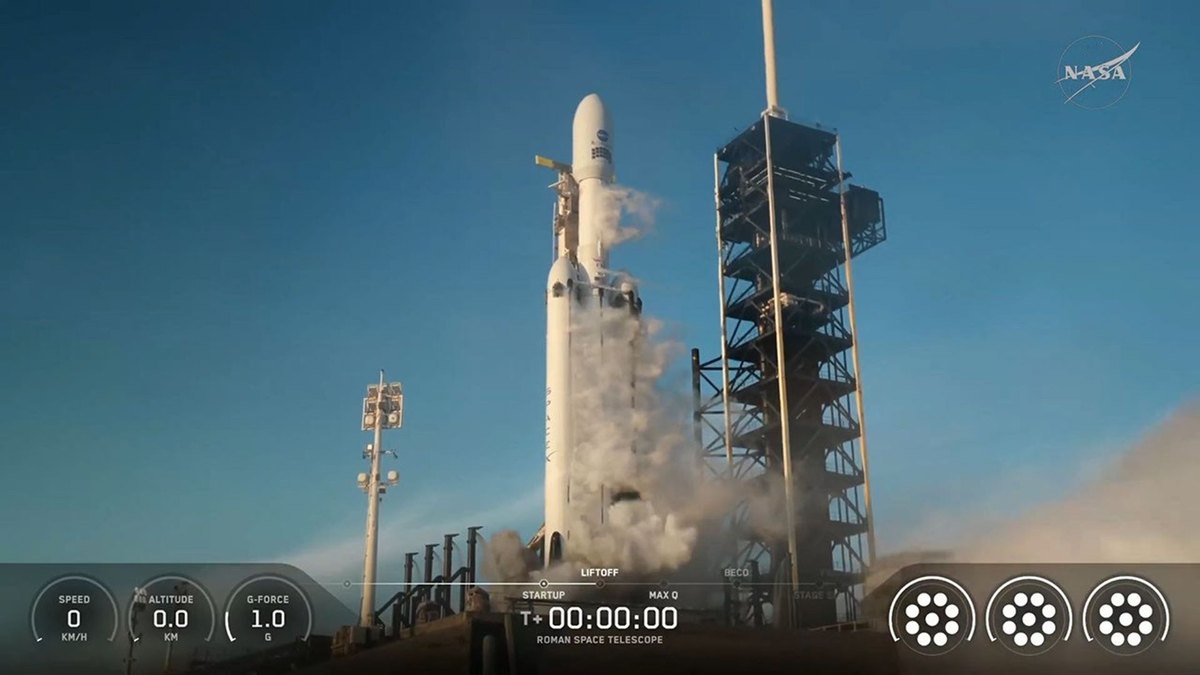
RST waxaa laga soo diray xarunta Kennedy Space Center ee Florida, USA, isagoo saaran gantaal SpaceX Falcon Heavy. Tani waa tallaabo muhiim ah oo ka mid ah barnaamijyada NASA ee sahanka hawada sare.
Si ka duwan HST ee dhulka ku wareega, RST wuxuu ku wareegayaa qorraxda sida James Webb Space Telescope. Meesha uu joogo awgeed, waxuu awood u leeyahay inuu muddo dheer u shaqeeyo oo uu koonka si ballaaran u eego.
Saamaynta cilmi-baarista mustaqbalka
Awoodda RST ee ah inuu badhtamaha cirka si weyn u daboolo ayaa laga filayaa inay horseeddo daahfurista tiro aad u badan oo supernova ah iyo meerayaasha qorraxaha kale wareega. Tan waxay iftiimin kartaa fiditaanka koonka.
Meerayaasha cusub ee la filayo in la helo waxay bixin karaan macluumaad ku saabsan suurtagalnimada nolosha meelaha kale ee koonka. RST wuxuu sidaas ku darayaa awood cilmi-baaris oo aan hore loo arag.
The Nancy Grace Roman Space Telescope has been successfully launched into orbit, marking a major milestone in astronomical science. The spacecraft, which carries a main mirror the same size as Hubble's, will survey 100 times more sky in each snapshot than its predecessor.
A New Era of Deep-Sky Observation
The Roman Space Telescope was launched from Kennedy Space Center in Florida aboard a SpaceX Falcon Heavy rocket on August 31, 2026. Its design features a main mirror that is more curved than Hubble's, with a secondary mirror positioned closer and a larger main camera, enabling it to capture vast areas of the cosmos with unprecedented speed.
Unlike the James Webb Space Telescope, which orbits the Earth, the Roman Space Telescope will orbit the Sun. This unique trajectory allows it to maintain a stable position far from Earth's heat and light, creating ideal conditions for observing distant galaxies and faint celestial objects across the universe.
Discovering Supernovas and Exoplanets
The telescope's ability to scan 100 times more sky per snapshot means it can identify far more supernovas than previous instruments. These stellar explosions provide critical data about the expansion rate and composition of the universe, helping scientists understand its origins and ultimate fate.
In addition to studying supernovas, the Roman Space Telescope is expected to discover many more planets orbiting other stars. These exoplanets will offer new insights into the possibilities for life beyond our solar system, expanding humanity's understanding of the cosmos.
A Legacy of Astronomical Innovation
Named after NASA's first woman chief astronomer, the Nancy Grace Roman Space Telescope represents a continuation of decades of astronomical innovation. Its launch signals a new chapter in space-based research, building on the legacy of both Hubble and James Webb.
The telescope's advanced capabilities promise to revolutionize our understanding of the universe. As it begins its mission, astronomers worldwide are eager to witness the discoveries that Roman will uncover in the years ahead.
Ilaha iyo xuquuqda sawirka
Sawir: NASA News Releases Xigasho