
Telescope-ka Nancy Grace Roman ee NASA ayaa hawada fuulay si uu u sahmiyo caalamka mugdiga ah
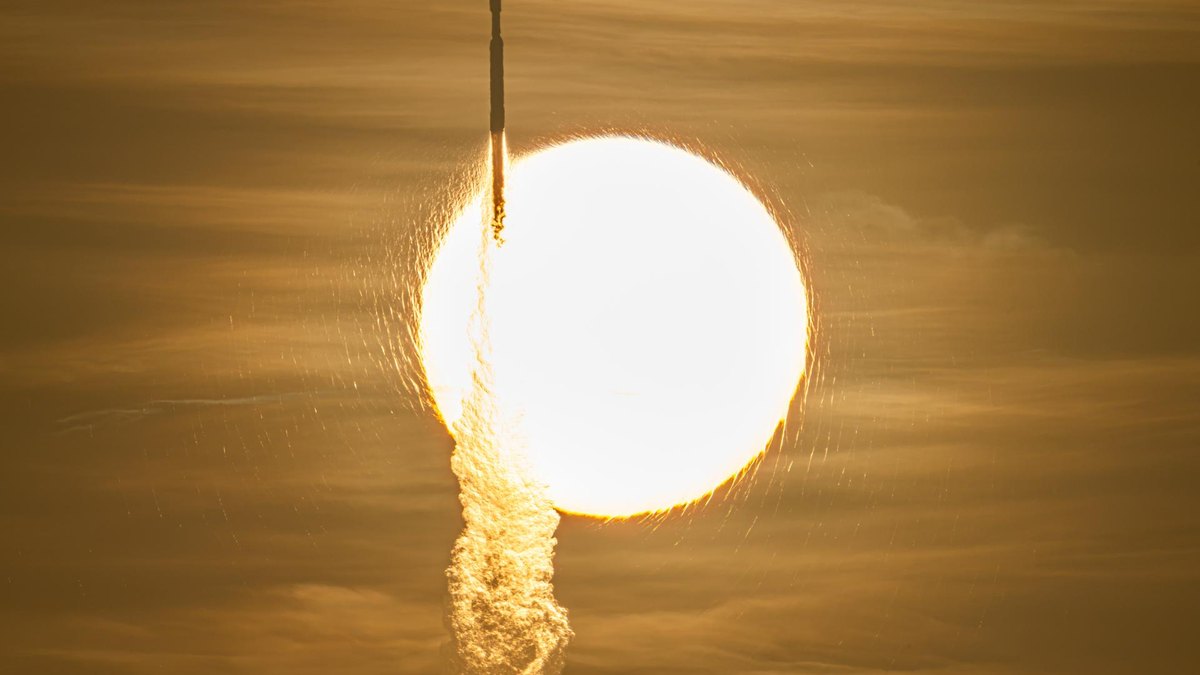
Telescope-ka Nancy Grace Roman Space Telescope ee NASA ayaa la bilaabay 7:26 a.m. EDT axad kale, isagoo saaran gantaal SpaceX Falcon Heavy laga tuuray Kennedy Space Center, Florida. Hadafyadu waxay ku socdaan safar saddex bilood ah oo gaaraya hal malyuun mayl.
Hawlgalka iyo xiriirka dhulka
Kooxda xakamaynta dhulka ee Goddard Space Flight Center ee Greenbelt, Maryland, waxay bilawday inay hesho xogta telemetry toddobo daqiiqo ka dib markii la bilaabay. Gantaalka Falcon Heavy wuxuu si la filayay u shaqeeyay, isagoo ka go'ay telescope-ka 31 daqiiqo gudahood duulimaadka.
Qiyaastii 70 daqiiqo ka dib bilowga, Shabakadda Deep Space Network ayaa la wareegta isgaarsiinta oo hanuuninaysa Roman dhanka L2 oo qiyaastii hal malyuun mayl ka fog Dhulka. Waxay marka hore ku xidhmaa Canberra, Australia, ka dibna Madrid iyo Goldstone lix saacadood ka dib.
Aaladaha iyo barnaamijka sayniska
Kooxdu waxay xaqiijisay in qorraxda iyo hoos-u-dhigaha hoosaadka la furay saacad iyo 23 daqiiqo ka dib. Maalmaha soo socda, anteenada iyo daboolka ayaa furmi doona, laba wax-u-beddel midig ah ayaa bilaabmi doona, Coronagraph-na wuxuu awood u yeelan doonaa.
Wide Field Instrument waa kamarad 300-megapixel ah oo leh 18 4K detectors. Roman wuxuu u qorsheysan yahay inuu sahmiyo caalamka kun jeer ka dheereeya Hubble. Waxaa la filayaa in sawirradiisa ugu horreeya la sii daayo horraanta 2027.
Xiriirka caalamiga ah iyo maamulka
Roman waa howlgalkii afraad ee ugu weyn ee NASA ku bilaabto Falcon Heavy. Waxaa laga maamulaa NASA Goddard iyadoo ka qayb qaadanayaan Jet Propulsion Laboratory, Caltech/IPAC, iyo Space Telescope Science Institute.
Shirkadaha waaweyn ee warshadaha waa BAE Systems Inc., L3Harris Technologies, iyo Teledyne. Waxaa sidoo kale tabaruc ka heley ESA, JAXA, CNES, iyo Max Planck Institute for Astronomy. Wuxuu soo celinayaa 1.4 terabytes maalin kasta.
NASA's Nancy Grace Roman Space Telescope lifted off Sunday at 7:26 a.m. EDT aboard a SpaceX Falcon Heavy rocket from Kennedy Space Center in Florida, beginning a three-month journey to its final orbit.
Launch and Early Orbit Operations
The Falcon Heavy rocket performed as expected, separating from the observatory 31 minutes into the flight, with its boosters safely returning to the launch site for refurbishment. Ground control at NASA's Goddard Space Flight Center in Greenbelt, Maryland, began receiving telemetry data from Roman just seven minutes after liftoff.
About 70 minutes after launch, the Deep Space Network took over communications, guiding Roman toward the second Sun-Earth Lagrange point, or L2, roughly one million miles from Earth. The Canberra Deep Space Communication Complex in Australia first established contact, with transfers to Madrid and Goldstone Deep Space Communication Complexes in Spain and California following approximately six hours later.
Instrument Deployment and Scientific Goals
The Roman team confirmed successful deployment of the observatory's solar panels and lower instrument sun shade an hour and 23 minutes after launch. Within the coming days, the high-gain antenna and visor-like deployable aperture cover will deploy, and the Coronagraph Instrument will power on to demonstrate technology that future missions like NASA's Habitable Worlds Observatory concept could use to image Earth-like planets.
This flagship mission will help astronomers explore dark matter, dark energy, and exoplanets, with surveys supporting a broad range of research extending far beyond its main science goals. The Wide Field Instrument, a 300-megapixel infrared camera with 18 4K detectors, is designed to survey the universe a thousand times faster than NASA's Hubble Space Telescope.
Mission Leadership and International Partnerships
NASA Administrator Jared Isaacman called the launch a success story, noting the mission was delivered ahead of schedule and on budget, reflecting more than a decade of dedication from the NASA workforce and industry partners. Associate administrator Nicky Fox described Roman as a discovery machine that will usher in a new era of discovery and make the invisible visible, setting the foundation for humanity's search for life beyond our solar system.
The telescope is managed at NASA Goddard with participation by the Jet Propulsion Laboratory, Caltech/IPAC, the Space Telescope Science Institute, and scientists from various research institutions. Primary industrial partners include BAE Systems Inc., L3Harris Technologies, and Teledyne Scientific & Imaging, while contributions are made by ESA, JAXA, CNES, and the Max Planck Institute for Astronomy in Germany.
Ilaha iyo xuquuqda sawirka
Sawir: NASA News Releases Xigasho