
Telescope-ka Cayayaanka Deegaanka ee Nancy Grace Roman oo la filayo inuu bilaabo howlgalkiisa Ogosto 30
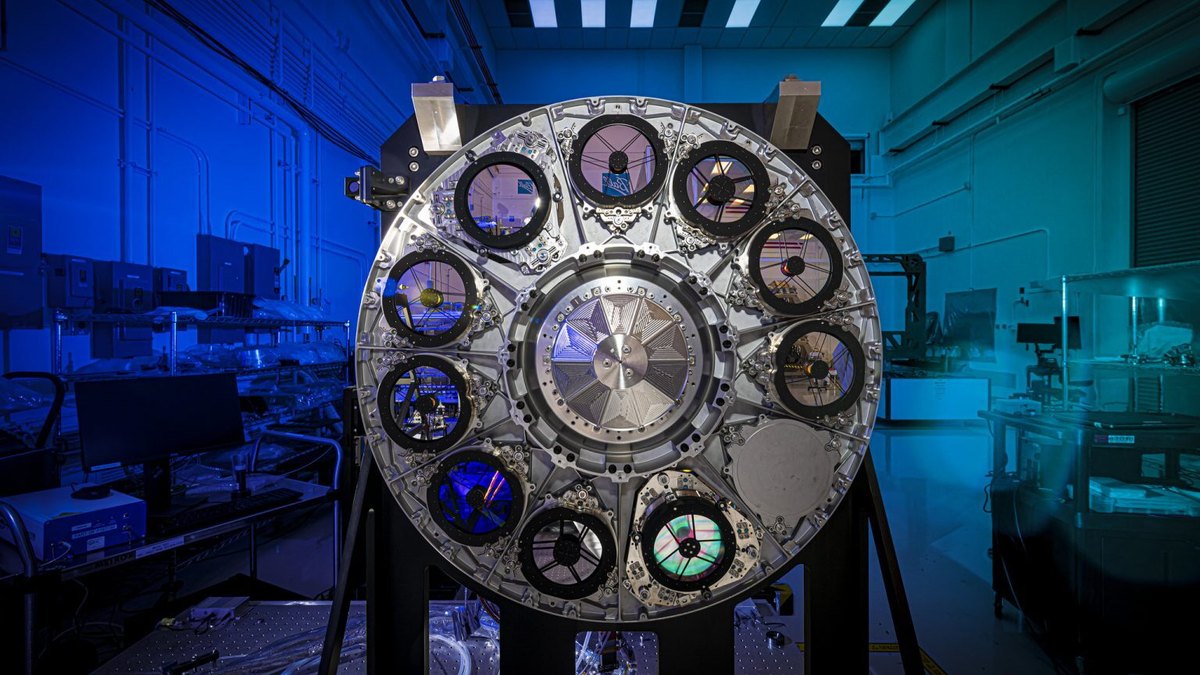
Telescope-ka Cayayaanka Deegaanka ee Nancy Grace Roman, oo qiimahiisu yahay $4.3 bilyan, ayaa loo qorsheeyay inuu bilaabo howlgalkiisa taariikhda 30-ka Ogosto. Qalabkan cusub wuxuu magac u helay kii ugu horreeyay ee xiddigis-yaqaan ah ee NASA.
Ujeedooyinka Saynis ee Mashruuca
Telescope-ka Nancy Grace Roman wuxuu leeyahay howlgal shan sano ah oo lagu qorsheeyay inuu kaashado fahamka dhismaha weyn ee koonka. Wuxuu sidoo kale soo bandhigi doonaa galaksyo cusub oo caawiya xiddigiyayaasha inay si fiican u arkaan qaab-dhismeedka baaxadda leh ee koonka.
Qalabku wuxuu isticmaali doonaa noocyo gaar ah oo ah Type 1A supernovas si loo darsho tamar mugdiga ah. Sidoo kale, wuxuu adeegsan doonaa habka gravitational microlensing si loo ogaado meerayaasha ku wareega xiddigaha fog fog.
Sahaminta iyo Helitaanka Xogta
Telescope-ka ayaa hal bil gudaheed sahamin doona dhammaan xiddigaha ku yaal galaxyada Milky Way. Tani waa guul weyn maadaama ay qaadan lahayd qiyaastii hal qarni haddii la isticmaali lahaa Hubble Space Telescope.
Xogta laga helo telescope-kaas waa mid fidsan oo loo furan yahay qof kasta, ee kama koobna aqoonyahannada jaamacadaha. Macallin dugsiga sare ah iyo borofisar jaamacad midkoodna si siman ayay u helayaan xogta.
Awoodda Ogaanshaha Meerayaasha
Telescope-ka Roman wuxuu awood u leeyahay inuu ogaado meerayaal aan wax hab kale oo indho-indheyn ah lagu heli karin. Tani waxay fursad siinaysaa sahaminta meelaha bartamaha galaxyada ee aan hore loo aqoon.
Iyadoo la raacayo aqoonyahanada, qalabku wuxuu muujinayaa awood cusub oo ku saabsan helitaanka adduunyo aan la aqoon. Wuxuu noqonayaa qalab muhiim ah oo loogu talagalay horumarinta sayniska xiddigaha mustaqbalka.
NASA is preparing to launch the $4.3-billion Nancy Grace Roman Space Telescope on August 30, a repurposed surveillance satellite that will survey the Milky Way in a single month and hunt for planets invisible to any other method.
A Satellite Reborn for the Cosmos
The Nancy Grace Roman Space Telescope, named for NASA's first chief astronomer, has an unusual origin. About 15 years ago, the National Reconnaissance Office contacted NASA about an unused surveillance satellite in a hangar. Scolnic recalled the call: 'We have this amazing satellite sitting in a hangar that we're not using. And what what do you guys think about instead of pointing downwards, we point upwards, and you guys use it?'
NASA agreed to the conversion, undertaking substantial modifications to transform the old spy satellite into a major astronomical observatory. The telescope will carry out a five-year mission designed to fundamentally reshape how astronomers understand the expansion of the universe.
Milky Way Survey and Hidden Worlds
Roman's project scientist Julie McEnery says the telescope will survey all the stars in the Milky Way galaxy in one month, a task that would take Hubble about a century. Instead of focusing on single objects, Roman will produce large sky catalogs available to everyone, from high school teachers in Kentucky to professors at Princeton.
Professor Scott Gauti at The Ohio State University expects Roman to detect planets that are completely undetectable by any other method using gravitational microlensing. Gauti says the technique measures how planets bend starlight, finding worlds analogous to Jupiter, Saturn, Uranus, and Neptune at the center of our galaxy.
Dark Energy and the Future of Astronomy
The telescope will use Type 1A supernovas to study dark energy, the mysterious force causing the universe to expand, a discovery that earned the 2011 Nobel Prize. Cosmologist Daniel Scolnic says Roman will absolutely nail whether the current scientific model is right or wrong, potentially changing the model itself.
Astronomer Wendy Freedman at the University of Chicago says the history of astronomy shows that new survey capabilities often lead to unexpected discoveries. Freedman says she is completely open to what this telescope will find over its five-year mission.
Ilaha iyo xuquuqda sawirka
Sawir: NPR News Xigasho