
Dhismaha Dabiiciga ah ee Soomaaliya: Qorraxda iyo Qorraxda ayaa dib u soo noqotay
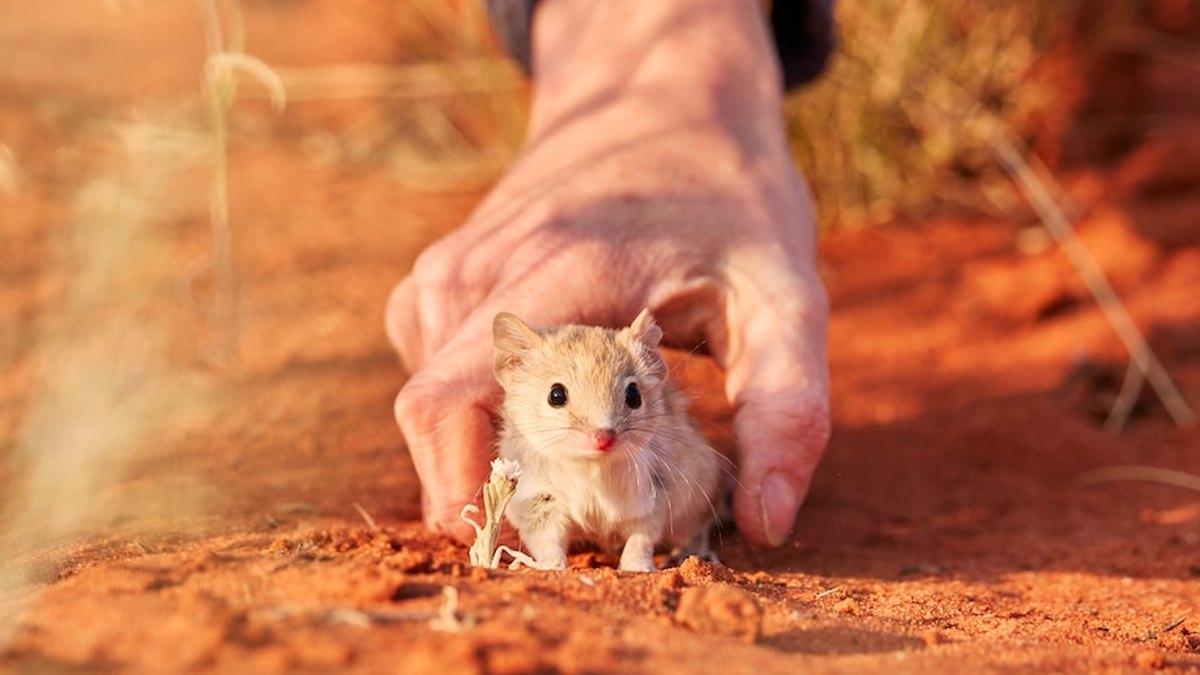
Muddo tobanaan sano ahayd, bilbiyada, bandicootka iyo burrowing bettong-ga ayaa ka baxay meelaha dabiiciga ah ee New South Wales. Haddana, mashruuca Wild Deserts ayaa dib u soo celiyay 7 nooc oo dabiici ah, iyadoo la arko cabsi iyo dhalasho.
Mashruuca Wild Deserts iyo Dib-u-soo-celinta
Mashruuca Wild Deserts ayaa bilowday sanadkii 2016, iyadoo ujeedadiisu ahayd dib-u-soo-celinta 7 nooc oo dabiici ah oo ka baxay meelaha dabiiciga ah ee New South Wales. Noocyadan waxaa ka mid ah mulgarada, bandicootka, iyo quollada. Waxaa mashruuca hoggaamiya Bec West, Richard Kingsford, iyo Reece Pedler.
Mashruuca ayaa u baahnaa in la dhiso meelo la xiray oo 2,000 hektar ah si looga hortago xayawaannada dabiiciga ah. Sanadkii 2019, meelahan ayaa la aqoonsaday inay ka baxeen xayawaannada dabiiciga ah, iyadoo la bilaabay in la soo celiyo noocyada dabiiciga ah.
Natiijooyinka iyo Cabsiga
Bilowga 2020, mulgarada iyo bilbiyada ayaa la soo celiyay, iyadoo sanadkii dambe la soo celiyay noocyada kale. Waxaa la arkaa cabsi iyo dhalasho, iyadoo noocyada dabiiciga ah ay ku jiraan meelaha la xiray iyo kuwa dibadda.
Quollada ayaa ah xayawaanka dabiiciga ah ee ugu sarreeya, iyadoo ka hortagta in noocyada kale ay badbaadaan. Waxaa jira cabsi iyo dhalasho, iyadoo noocyada dabiiciga ah ay ku jiraan meelaha la xiray iyo kuwa dibadda.
Dhaqanka iyo Mustaqbalka
Mashruuca ayaa ka mid ah kuwa ugu muhiimsan ee dhaqanka dabiiciga ah, iyadoo noocyada dabiiciga ah ay ku jiraan meelaha la xiray iyo kuwa dibadda. Waxaa jira cabsi iyo dhalasho, iyadoo noocyada dabiiciga ah ay ku jiraan meelaha la xiray iyo kuwa dibadda.
Mustaqbalka, mashruuca ayaa u baahan in la sii wado, iyadoo noocyada dabiiciga ah ay ku jiraan meelaha la xiray iyo kuwa dibadda. Waxaa jira cabsi iyo dhalasho, iyadoo noocyada dabiiciga ah ay ku jiraan meelaha la xiray iyo kuwa dibadda.
After more than a century of local extinction in outback New South Wales, native species including bilbies and quolls are showing promising signs of survival and breeding within the Wild Deserts project, now backed by a new 10-year funding agreement signed by NSW Environment Minister Penny Sharpe in late June 2026.
A Century of Loss and a Bold Reintroduction
Bilbies, bandicoots, and burrowing bettongs have been locally extinct in outback New South Wales for more than a century, driven to disappearance by cats, foxes, and rabbits. The Wild Deserts project, launched in 2016, aims to reverse this trend by reintroducing seven native species to north-western NSW, including crest-tailed mulgaras, stick-nest rats, western quolls, Shark Bay bandicoots, bilbies, golden bandicoots, and burrowing bettongs.
Principal ecologist Bec West and co-founder Reece Pedler, both trained scientists with PhDs, stepped in to lead the initiative alongside team leader Richard Kingsford and the only other full-time staff member, David Damschke. The couple moved to Fort Grey, a former grazing property in Sturt National Park, in 2017, where they have been raising three children while building a small but dedicated conservation workforce.
Fencing, Training, and the First Releases
Two 2,000-hectare fenced exclosures were constructed to keep predators out, with approximately 1,000 rabbit warrens mapped on foot using a conservation detector dog before the fence was completed. The exclosures were declared feral-free in early 2019, and the first crest-tailed mulgaras and bilbies were released in 2020, followed by Shark Bay bandicoots, golden bandicoots, bettongs, and western quolls.
The quoll, considered the top native predator, was a significant addition to the project, helping to keep a cap on the sustainability of herbivore populations. The reintroduced species are surrounded by a 100-square-kilometre 'wild training zone' with a low density of feral cats, where animals are gradually exposed to predators to build survival instincts. Only the stick-nest rat failed to adapt to the environment.
Positive Signs and a Secure Future
Positive signs of survival, breeding, and new individuals joining populations have been observed in the wild training zone, with booming flora attributed to the digging activity of reintroduced species. NSW Environment Minister Penny Sharpe signed off on a new 10-year funding agreement in late June 2026, ensuring the project's continuation and expansion to neighbouring pastoral properties and other national parks.
The project has surpassed initial expectations, with the largest rabbit-free area reaching 4,000 hectares and six native species returned, four of which have been released beyond the fence. National Parks area manager Jaymie Norris has noted significant environmental changes, including the return of rarer plant species, underscoring the success of this unique conservation effort.
Ilaha iyo xuquuqda sawirka
Sawir: ABC Australia Xigasho