
Fatahaad iyo biyo-qarax ka dhacay Himalaya: boqolaal qof ayaa maqan Nepal iyo Shiinaha
Maalintii ka dambaysay masiibo biyo-qarax ah oo ku dhufatay dooxooyinka Himalaya, boqolaal qof ayaa wali la waayo Nepal iyo Shiinaha. Qiyaastii $2 milyan ayaa laga sii daayay Sanduuqa Degdegga Caalamiga ah ee Qaramada Midoobay si loo badbaadiyo nololaha.
Gargaarka degdegga ah iyo saameynta carruurta
Lacag dhan $2 milyan ah ayaa laga sii daayay CERF "si loo badbaadiyo nololaha daryeel caafimaad oo degdeg ah, hoy, iyo biyo", sida uu X-ka ku sheegay madaxa gargaarka QMU Tom Fletcher. UNAku wuxuu ballan qaaday inuu taageero dadaallada qaran ee gargaarka.
Ugu yaraan 17,000 oo carruur ah ayaa saameyn kala kulmay fatahaadaha Nepal ee degmooyinka Rasuwa, Nuwakot, iyo Dhading. Alice Akunga oo ka tirsan UNICEF Nepal ayaa xustay in carruurtu ay arkayeen nololahooda oo laga qaadayay iyagoo indhaha ku xidhan.
Maqnaanshaha iyo sababta masiibada
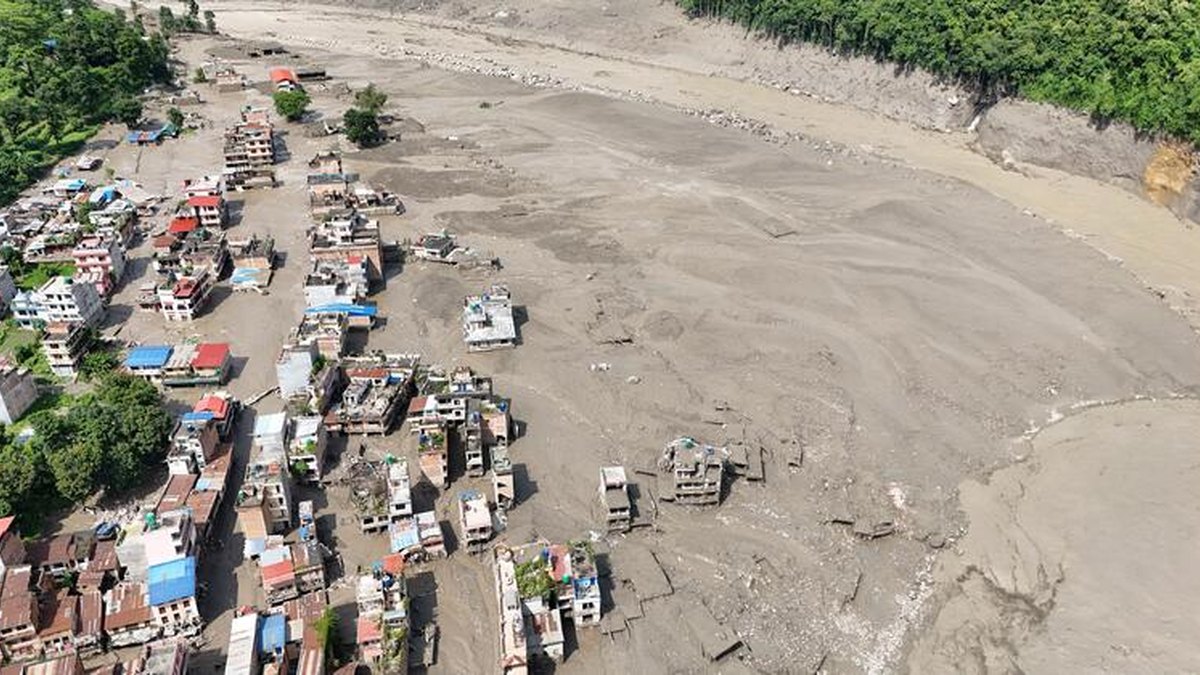
Shiinaha, qiyaastii 560 qof ayaa wali maqan sida ay sheegayaan mas'uuliyiinta. Sababta suurtagal ah ee fatahaadaha degdegga ah iyo dhoobo-qulqulka ayaa loo aanaynayaa baraf-dhac ka dhacay dooxooyinka buuraleyda ah ee Himalaya.
Degmada Rasuwa ee Nepal ayaa si baahsan u dhacday, iyadoo ay ku jiraan magaalooyinka Timure, Rasuwagadhi, iyo Syabrubesi. Abril 2015 ayaa dhul-gariir 7.8 magnitudo ah ku dhacay aagga, kaasoo ay ku dhinteen in ka badan 8,800 qof.
Saadaasha masiibooyinka adduunka
UNDRR waxay saadaalinaysaa in adduunka uu la kulmi doono 560 masiibo dhexdhexaad ilaa waaweyn sanadkii 2030. Masiibooyinka ayaa la filayaa inay kordhaan 40 boqolkiiba intii u dhaxaysay 2015 iyo 2030, cimilada isbeddelka iyo qiimeyn khaldan oo khatarta.
Qiimaha sanadlaha ah ee masiibooyinka waa $2.29 trillion oo sii kordhaya marka saameynta dadban iyo deegaanka la tixgeliyo. Tani waxay muujinaysaa culays dhaqaale oo sii koraya oo saameynaya badbaadada bulshada adduunka.
Devastating flash floods and mudslides have struck Nepal and China, leaving hundreds missing and entire communities cut off. The United Nations has released $2 million in emergency funding and deployed health and relief teams to support the affected regions.
Massive Humanitarian Impact Across Nepal and China
Hundreds of people remain unaccounted for after catastrophic flooding swept through Nepal and China on Wednesday, with aid teams racing to reach isolated communities. In Nepal, the districts of Rasuwa, Nuwakot and Dhading have been hit hardest, with roads, bridges and essential services badly damaged. At least 17,000 children have been affected by the disaster, according to UNICEF.
In China, authorities report around 560 people still missing, with significant damage and casualties recorded in the Tibet autonomous region. The United Nations country office confirmed the scale of destruction, while humanitarian agencies are scaling up their response to deliver food, medical supplies and shelter to those in need.
UN Releases Emergency Funding and Deploys Aid Teams
An initial $2 million has been released from the United Nations Global Emergency Fund (CERF) to provide emergency medical care, shelter and water, said UN relief chief Tom Fletcher. Secretary-General António Guterres pledged swift support, stating that the UN is mobilising supplies and humanitarian teams to back national efforts in delivering emergency aid.
The World Health Organization has dispatched an interagency emergency health kit containing medicines and supplies for up to 10,000 people, along with six multipurpose tents to sustain health services. Meanwhile, the World Food Programme and UNICEF plan to deploy staff and trucks carrying relief supplies to the affected areas.
Collapsed Glacier Cited as Possible Cause of Flash Floods
A collapsed glacier high in the steep-sided valleys of the Himalayas has been identified as a possible cause of the sudden flash-flooding and mudslides that destroyed entire communities. Rasuwa district, located about 80 kilometres north of Kathmandu, was particularly hard-hit, including the towns of Timure, Rasuwagadhi and Syabrubesi.
The area was previously struck by a 7.8 magnitude earthquake in April 2015, which killed more than 8,800 people, and torrential rains last October caused fast-moving floods affecting over 30,000 people. UNDRR projects that global disasters will increase by 40 per cent between 2015 and 2030, driven by climate change and systemic underestimations of risk.
Ilaha iyo xuquuqda sawirka
Sawir: UN News Xigasho