
Xogga difaaca Faransiiska ayaa soo gaaray maxkamadda Talyaaniga, iyadoo la sugayo inay xaliso dhibaatada Ustica
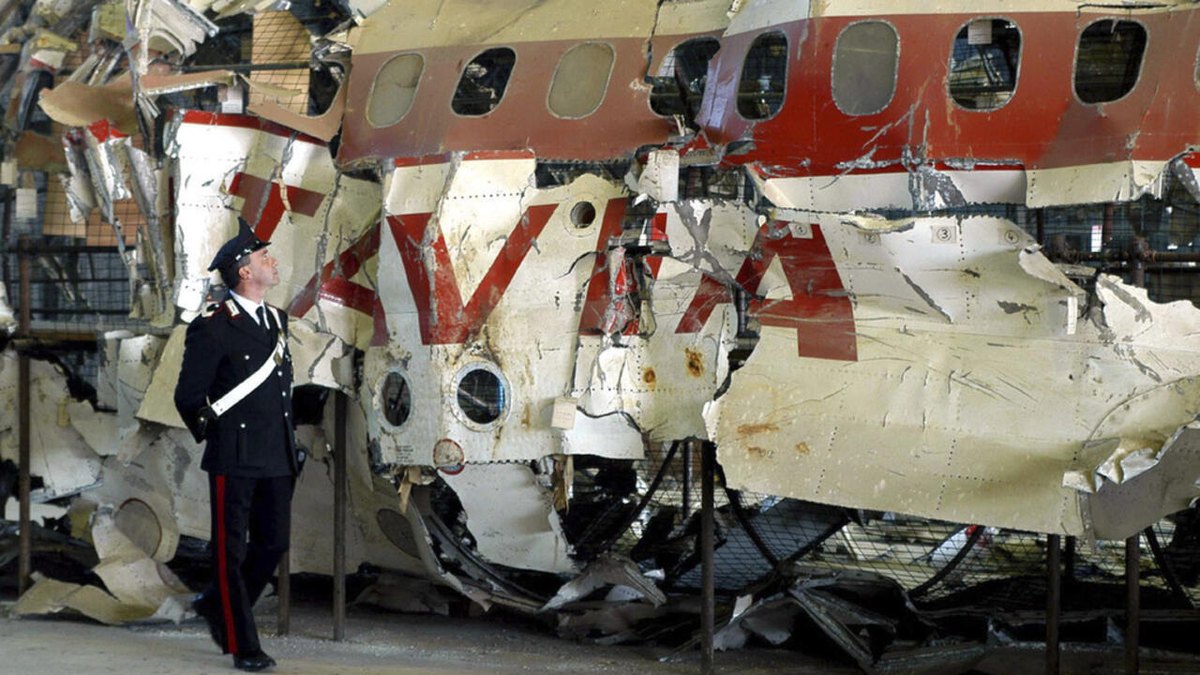
Go'aanka Faransiiska ee inay bixiyaan xogta difaaca maxkamadda Talyaaniga ayaa kor u qaaday rajada in la helo jawaab ku saabsan dhulka 1980-kii ee diyaaradda Itavia oo ku dhacday dhagaxa Ustica, halkaas oo lagu dilay 81 qof.
Dib-u-eegista baaritaanka iyo xogta cusub
Diyaaradda DC-9 ee shirkadda Itavia ayaa 27-kii June 1980-kii ku dhacday biyaha dhexdeeda, halkaas oo lagu dhintay 77 safaaradood iyo 4 xubnood oo kooxda ahaa, oo dhan Talyaaniyiin ahaayeen. Maxkamadda sare ee Talyaaniga ayaa 2013-kii go'aamisay in diyaaradda la burburiyay mashaariic dagaal ah, laakiin ma aysan xaqiijin cid ka dambeysay.
Dhawaan, wasaaradda difaaca Faransiiska ayaa sheegtay inay si joogto ah uga jawaabto codsiga maxkamadaha Talyaaniga ee ku saabsan arrintan. Wasiiradda difaaca Faransiiska ayaa sheegtay in xogta la soo bandhigay ay u baahan tahay in la isticmaalo tallaabooyin sharciyeed, iyadoo la xaqiijiyay in xogtaas ay horey u gaartay hay'adaha Talyaaniga.
Fikirka dagaalka iyo xiriirka Liibiya
Qorshaha ugu caansan wuxuu sheegayaa in diyaaradda la gacansiiyay dagaal hawada ah, iyadoo madaxweynihii hore ee Talyaaniga, Francesco Cossiga, uu sheegay in diyaaradda la dilayay diyaarad dagaal Faransiis ah oo ka dambeysay Muammar Gaddafi.
Dadka taageersan xiriirka Liibiya waxay sheegaan in 2007-kii Cossiga uu sheegay in diyaaradda la dilayay diyaaradaha Faransiiska ee ka dambeysay Gaddafi. Sidoo kale, waxaa la helay qaybo ka mid ah diyaaradda MiG ee Liibiya ee buuraha Calabaria, taas oo la sheegay inay noqotay mid la gacansiiyay dagaal hawada ah.
France's decision to share defence documents with the Italian judiciary has raised hopes of a breakthrough in investigations into the 1980 crash of a passenger jet near the island of Ustica. The move comes as prosecutors and victims' families long accused Western allies of withholding evidence regarding the incident.
The Enduring Mystery of Flight 870
The DC-9 plane operated by the now-defunct Itavia carrier was in the final stretch of its journey from Bologna to Palermo on a clear summer evening when it suddenly broke up and crashed into the sea, killing all 77 passengers and 4 crew members, all of them Italian. In 2013, Italy's highest court ruled that the plane had been brought down in an aerial battle, either by a missile or through a near-collision, without identifying a culprit.
At first, it was labelled an 'accident' or a 'tragedy'. But as efforts to cover up the incident became apparent over time, people started calling it a 'strage' (massacre). Like other unsolved civilian massacres, the Ustica affair has contributed to the erosion of trust between citizens and institutions in Italy, fuelling the sense that those in power are bound by a code of silence and that their actions are shrouded in secrecy.
The Libyan Connection and French Involvement
The late Libyan strongman is also at the heart of the missile hypothesis, which gained further traction in 2007 when former Italian president Francesco Cossiga claimed that the passenger jet had been shot down by French military planes who were after Gaddafi. Proponents of the Libyan link say it is substantiated by the recovery, three weeks after the Ustica disaster, of the wreckage of a Libyan MiG fighter on a mountain in Calabria, which may have been chased and downed on the same night as the DC-9.
Bonfietti said she had personally asked Italy's current Prime Minister Giorgia Meloni to raise the issue with Macron when they met for a summit in June. If Gaddafi was indeed their target, it's obvious that whoever carried out the operation could not openly claim it – not in a Cold War context. Instead, they decided to cover up what happened and pretend the plane experienced a mechanical failure.
Ilaha iyo xuquuqda sawirka
Sawir: France 24 English Xigasho