
Kulanka Guud ee Qaramada Midoobay: Iskaashiga Caalamiga ah wuxuu ku dhacayaa imtixaanka
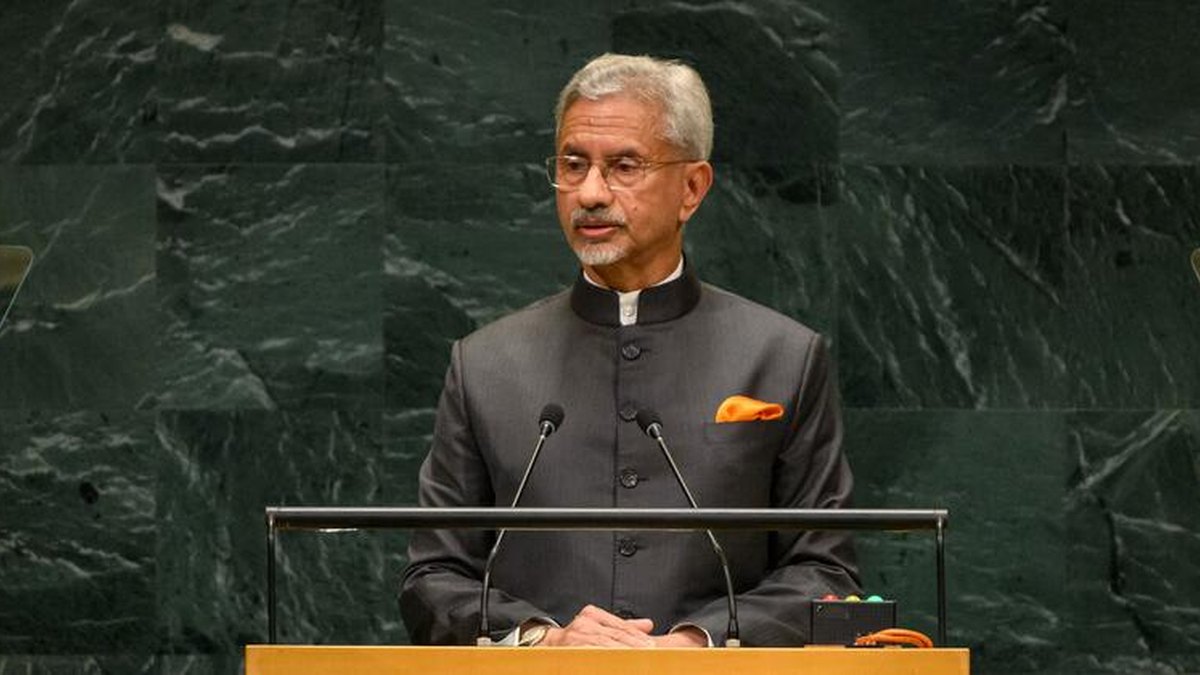
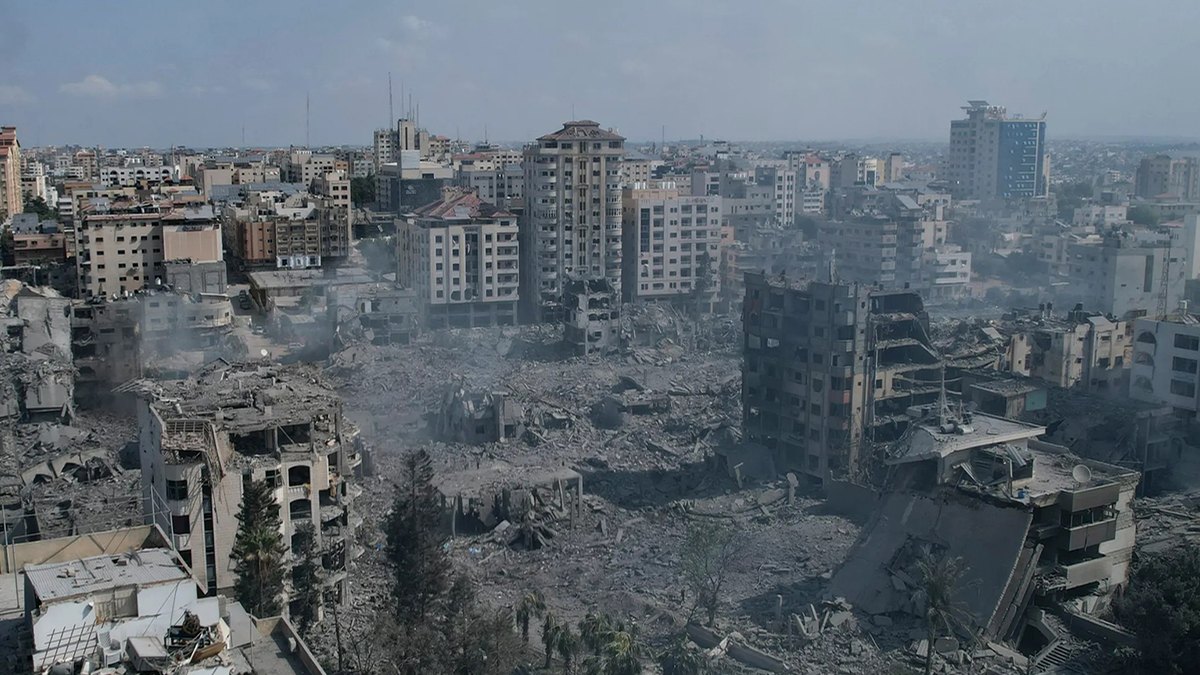
Kulanka Guud ee Qaramada Midoobay ee sanadlaha ah ayaa maanta galay maalmiisa afaraad, iyadoo khudbadihii maanta ee saddexaad ay ku saabsanaayeen khilaafka Israel-Palestine iyo saameyntiisa ku dhacday amniga caalamiga ah ee badeecadaha iyo kheyraadka.
Khilaafka Israel-Palestine: Arrimo kala duwan oo soo baxay
Madaxweynaha Falastiin, Maxamuud Cabbaas, oo ka hadlay dhacdadii uu ku sheegay inay u diideen visa, wuxuu sheegay in khilaafka uu ku dhacay jiritaanka dadka Falastiiniyiinta ah. Wuxuu ku tilmaamay dagaalka Gaza inuu yahay 'dagaal qof-qof ah' oo keentay khasaare aad u weyn, isagoo ku baaqay in la isku daro dhulka Gaza iyo dhulka West Bank-ka.
Madaxweynaha Israel, Benjaamiin Netanjahu, wuxuu difaacay dhul-baarisnimada dadka Ilaaliyaha ah ee West Bank-ka, isagoo sheegay in Israel ay u baahantahay inay ka hortagto weeraradii 7-ka Oktoobar 2023. Wuxuu sidoo kale eedeeyay warbaahinta caalamiga ah inay uga tagto weerarada Falastiiniyiinta, isagoo difaacay weeraradii Israel ku qaaday dhulka Iran.
Saameynta Khilaafka ee Amniga Caalamiga ah
Madaxweynaha Comoros, Azali Assoumani, wuxuu sheegay in xasiloonida gaarida Hormuz iyo dagaallada Syria iyo Lebanon ay saameyn ku yeelan karaan amniga badeecadaha iyo kheyraadka. Wasiirka Arrimaha Gudaha Portugal, Luís Montenegro, wuxuu ku baaqay in la joojiyo weerarada dhulka iyo dhulka, isagoo sheegay in 'dhammaan dadka ay saameyn ku yeelanayso khilaafka.'
Madaxweynaha Ghana, John Mahama, wuxuu ku baaqay in la joojiyo 'erayada diplomaasiyadeed' ee la isticmaalo xaaladda Gaza, isagoo ku eedeeyay inay tahay khilaaf aad u weyn. Wuxuu sidoo kale ku baaqay in la joojiyo weerarada Hamas.
Imtixaanka Iskaashiga Caalamiga ah
Madaxweynaha Guyana, Mohamed Irfaan Ali, wuxuu sheegay in dhaqdhaqaaqa iskaashiga caalamiga ah uu noqon karo khilaafka ugu weyn ee caalamku wajahayo, isagoo ku baaqay in la isticmaalo diplomaasiyadda si loo joojiyo dagaallada. Wuxuu sidoo kale sheegay in iskaashigu u baahan yahay in la isku raaco.
Wasiirka Arrimaha Gudaha Holland, Rob Jetten, wuxuu ku baaqay in la difaaco Maxkamadda Qaramada Midoobay ee Dambi-bixinta, isagoo sheegay in iskaashigu u baahan yahay in la isku raaco. Wuxuu sidoo kale sheegay in iskaashigu u baahan yahay in la isku raaco.
The third day of the UN General Assembly's annual high-level debate was dominated by the Israel-Palestine conflict, with Palestinian President Mahmoud Abbas and Israeli Prime Minister Benjamin Netanyahu presenting sharply divergent accounts of the crisis and its global consequences.
Competing Narratives from Gaza and Jerusalem
Palestinian President Mahmoud Abbas, speaking by pre-recorded video after his delegation was denied visas, described the war in Gaza as a 'genocidal war' that threatens 'the very existence of the Palestinian people'. He called for the reunification of the Gaza Strip and the occupied West Bank and warned against allowing 'another Nakba' to occur.
Israeli Prime Minister Benjamin Netanyahu defended Israeli settlers in the occupied West Bank and said Israel had been compelled to fight back after the Hamas-led terror attacks of 7 October 2023. He accused the international press and social media of overlooking Palestinian attacks and rejected descriptions of Israeli settler violence.
Global Ripple Effects on Food and Energy Security
Leaders from other delegations warned that the conflict's effects are no longer confined to Israel and Palestine. Comoros President Azali Assoumani said that the paralysis of the Strait of Hormuz and fighting in Syria and Lebanon threaten food and energy security in countries that import much of their needs.
Portugal Prime Minister Luís Montenegro called for an end to attacks on neighbouring countries, merchant ships and civilian infrastructure, as well as the blockade of the Strait of Hormuz. He said 'Everyone is being harmed' by the resulting energy and fuel crisis, urging action to mitigate its impact.
Middle Powers Urge Renewed Multilateral Leadership
Guyana President Mohamed Irfaan Ali said that the weakening of multilateralism may be the most troubling crisis facing the world, but argued that diplomacy could still silence guns. Gambia Vice President Muhammed Jallow said multilateralism does not require agreement on every issue, but a willingness to listen, negotiate and compromise.
Barbados Prime Minister Mia Mottley warned that without an equitable rules-based order, smaller States could 'simply cease to exist'. Netherlands Prime Minister Rob Jetten condemned attempts to undermine the International Criminal Court and urged middle powers to lead cooperation on human rights and climate action.
Ilaha iyo xuquuqda sawirka
Sawir: UN News Xigasho