‘The Trojan Teddy Bear’: The promise and peril of childhood in the age of AI
News
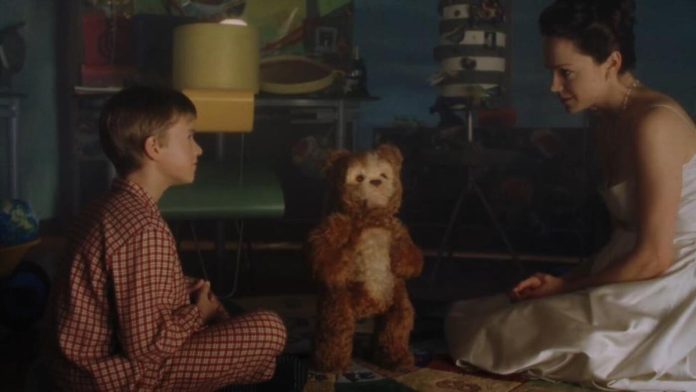
Back in 2001, Steven Spielberg released an underrated scifi movie named A.I. Artificial Intelligence (yes, the title is a bit redundant). The movie, which loosely borrows from Pinocchio, tells the story of a family who adopts a robotic boy programmed for love, and that robot’s heartbreaking quest to become a real boy.
Much of the technology in A.I. remains elusive. We’re probably not anywhere close to building androids that can convincingly pass as Haley Joel Osment — or Jude Law, for that matter. But some of the AI products imagined in the movie are starting to look surprisingly plausible. Take Teddy, an animatronic teddy bear. Teddy can walk, talk, make decisions, and respond to the needs and emotions of people around him. He’s more than just a toy. He’s an intelligent companion and protector for children.
Today, a slew of technology companies are developing AI companions that sort of resemble Teddy. The most intelligent AI chatbots still live on digital screens, but a wave of startups is giving them bodies — creating dolls, action figures, and robots that can serve as companions for kids.
Details
What happens when kids grow up with AI?
AI is already a part of childhood. Recommendation algorithms curate what many kids watch and listen to. Chatbots stand ready to answer questions like, “Are monsters real?” or “Why is the sky blue?” They can help with homework, tell bedtime stories, or even feel like a friend. And companies are racing to embed AI into toys, nurseries, classrooms, and eventually robots that live alongside families.
In a new book, Human Raised: Nurturing Connection, Curiosity & Lifelong Learning in the Age of AI, author Dana Suskind grapples with what the rising tide of artificial intelligence means for raising kids. On the one hand, she acknowledges that the technology offers promise as, for example, a productivity enhancer and time saver for parents, a monitoring and research tool that can give parents and scientists valuable data on child development, and an interactive tutor that might help some kids le
Analysis
But Suskind worries about what happens if AI begins replacing the kinds of human interactions that young brains evolved to learn from.
In fact, Suskind says, her original, working title for the book was, “The Trojan Teddy Bear,” a warning that AI companions may seem cute and cuddly — but they carry hidden risks for child development. She ultimately went with Human Raised because she wanted to emphasize the positive — and irreplaceable — role that parents, teachers, and caregivers play in molding young ones.
“If we want children to be able to continue to connect with each other and with other human beings, to be able to think critically, to be able to navigate the human world, we’re gonna need to make sure that kids have a distinctly human-raised early childhood,” Suskind says.
Stay informed with the latest news on Wararka.so — your trusted source for Somalia and world news.