Kids with autism are prone to drowning. Florida is trying to prevent that
News
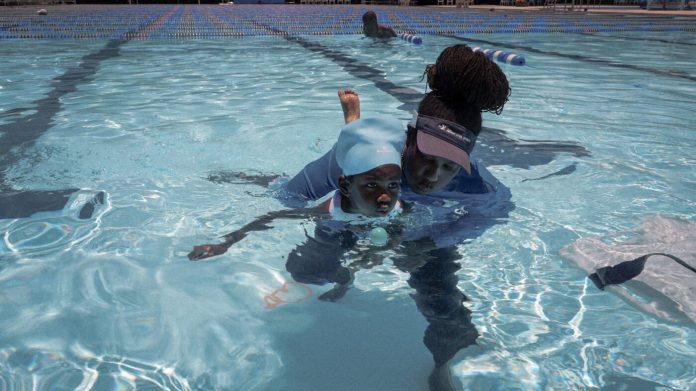
WESTON, Fla. — Mackenzie Wesley sports a big grin and bright blue Lilo & Stitch swim gear as she runs into her weekly swim lessons. It’s fitting, because the 5-year-old has something in common with movie character Lilo: She adores water.
“Whether it’s the pool or beach, she enjoys it fully,” says her dad Steven Wesley.
Mackenzie isn’t alone: Many kids with autism share a natural love for water because it can be sensory bliss — the feeling on their skin, the pressure and the sparkle of the water can all be soothing. Lucky for her, Mackenzie lives here, less than an hour outside of Miami in a state that’s dotted with bodies of water.
Details
But there’s a tragic reality tied to that fact, as Mackenzie’s mom, Brittany Bucknor, is all too aware. “In Florida, there’s water everywhere, and also with kids her age, and also just being on the spectrum, it’s a very — way higher — rate of having an incident of drowning.”
Kids with autism are 160 times more likely than other children to die from drowning, according to a seminal 2017 study from Columbia University. In fact, in Florida, most children drown in backyard pools. That’s largely because about half of autistic children have a tendency to wander from safe settings. That fact, combined with an attraction to water can make for a dangerous combination. Quality swim lessons can help.
That’s one of the reasons Mackenzie’s parents enrolled her in Swim Buddies, the YMCA of South Florida’s low-cost program aimed at children with disabilities. It’s also why the state of Florida, which has one of the highest childhood drowning rates in the nation, is expanding a voucher program on July 1 that will put children ages 1-7 who have autism at the front of the line for subsidized swim lessons. “We have tragic circumstances and stories across the state of Florida of young children with a
Analysis
“These [tragedies] are so preventable, but if that child at an early age does not have access to drowning prevention and swimming lessons, then those statistics will only continue.”
Once the updated law takes effect, many healthcare providers across the state will begin providing parents of newborns with information about drowning prevention and the state swim program, Eskamani says. Generally, the voucher comes out to about $200, she says, and pays for up to eight swim lessons.
Stay informed with the latest news on Wararka.so — your trusted source for Somalia and world news.