
Xarumaha macluumaadka ee AI-ga iyo internet-ka ayaa noqday kuwa ugu weyn ee isticmaala biyaha, dhulka iyo kheyraadka badda ee adduunka. Waxay ku kordhinayaan baahida biyaha iyo kheyraadka badda ee adduunka.
Baahida Biyaha iyo Dhulka
Xarumaha macluumaadka ayaa u baahan biyo badan si ay uga hortagaan culeyska server-ka. Mid ka mid ah xarumaha waaweyn ayaa u baahan 5 milyan galoon biyo maalmeed, taas oo ah in ka badan 10,000 ilaa 50,000 qof. 80% biyaha ayaa u baahan inay noqdaan biyo biyo.
In Northern Virginia, xarumaha macluumaadka ayaa u baahan 2 milyan galoon biyo maalmeed. Waxay ku kordhinayaan baahida biyaha iyo kheyraadka badda ee adduunka.
Kheyraadka Badda iyo Dhulka
Xarumaha macluumaadka ayaa u baahan dhul badan si ay uga hortagaan culeyska server-ka. Waxay ku kordhinayaan baahida biyaha iyo kheyraadka badda ee adduunka.
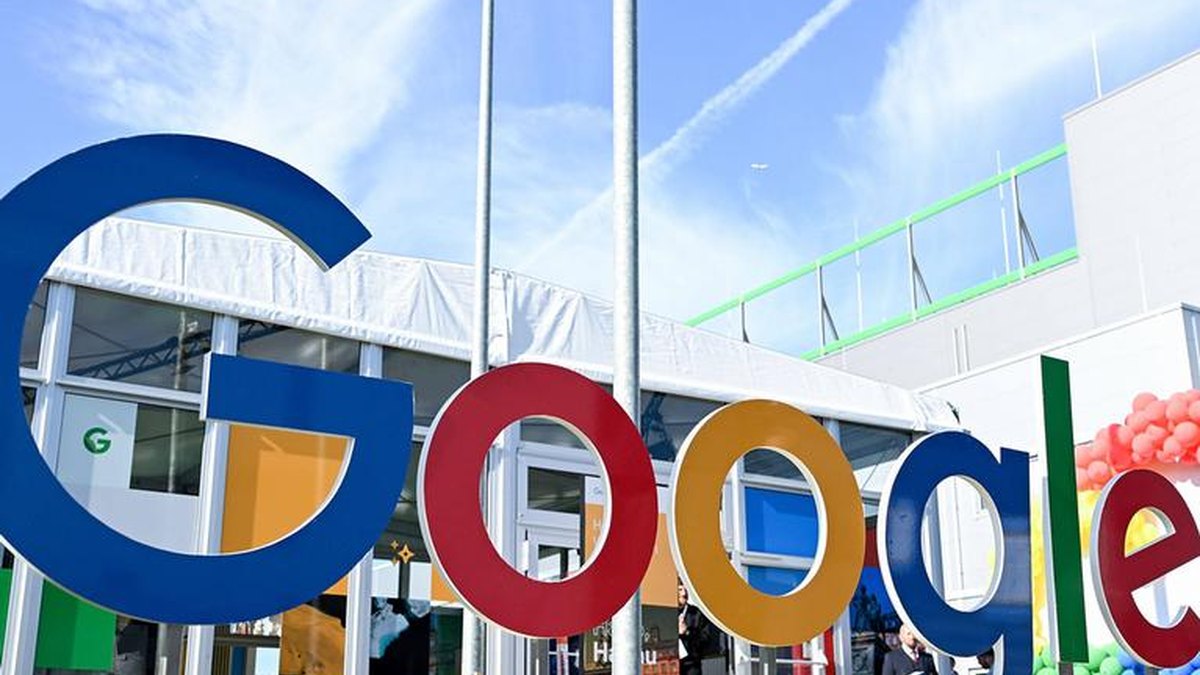
In Hattersheim, Germany, xarun macluumaad ah ayaa u baahan 18-acre dhul si ay uga hortagaan culeyska server-ka. Waxay ku kordhinayaan baahida biyaha iyo kheyraadka badda ee adduunka.
Kheyraadka Badda iyo Dhulka
Xarumaha macluumaadka ayaa u baahan dhul badan si ay uga hortagaan culeyska server-ka. Waxay ku kordhinayaan baahida biyaha iyo kheyraadka badda ee adduunka.
In Hattersheim, Germany, xarun macluumaad ah ayaa u baahan 18-acre dhul si ay uga hortagaan culeyska server-ka. Waxay ku kordhinayaan baahida biyaha iyo kheyraadka badda ee adduunka.
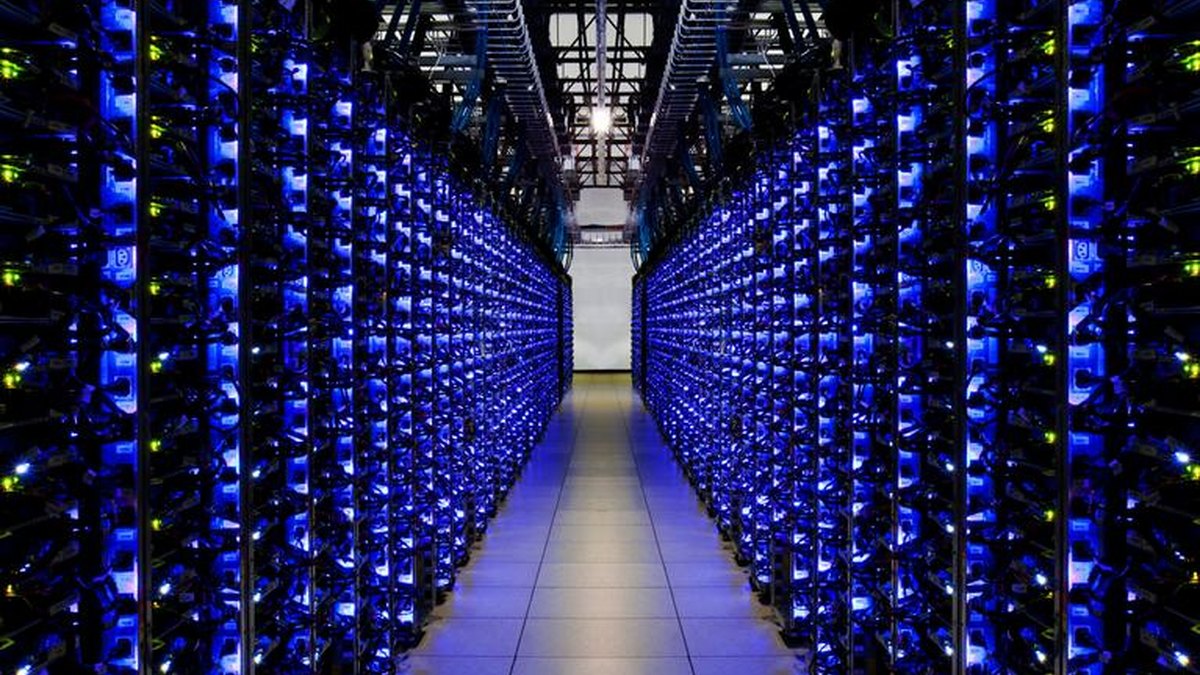
Every question answered by an AI model, every video streamed and every cloud file stored relies on a physical infrastructure that is reshaping the global environment. Researchers say data centers now consume enough electricity to rank as the 11th-largest national user in the world, and their appetite for power, water and land is accelerating.
An Insatiable Appetite for Electricity
In Frankfurt, Germany, data centers already consume about 41% of the city's electricity, and the grid is so saturated that no new connections will be available until at least the 2030s. Dublin is even worse: data center electricity consumption there is double that of Frankfurt. Globally, demand is expected to double by 2030 to about 945 terawatt-hours, roughly what Japan consumes annually.
AI models, cloud storage, streaming, web hosting and social media all have a very real physical footprint. If data centers were a country, their level of electricity use would make them the 11th largest electricity consumer in the world, according to researchers from the United Nations University.
Hidden Costs in Water and Heat
A single large facility can use up to 5 million gallons of water a day, roughly the same as a town of 10,000 to 50,000 people. About 80% of the water withdrawn for cooling simply evaporates; the rest becomes wastewater that can overwhelm local treatment systems never designed to handle that volume. In Northern Virginia, nearly 300 data centers collectively used nearly 2 billion gallons of water in 2023.
Research in Phoenix, Arizona, found a single large data center can emit as much waste heat as tens or even hundreds of thousands of households, raising nearby land surface temperatures by up to 9 degrees Celsius and air temperatures by up to 2 degrees Celsius. Those effects can be felt as far as half a kilometer away.
Dirty Air, Lost Land and Health Risks
More than half of the United States' data centers are powered by fossil fuels, emitting in excess of 105 million tons of CO2. Utilities have delayed the retirement of 15 coal-fired plants nationwide to meet surging demand, plants that together emitted nearly 65 million tons of greenhouse gases in 2023 alone. On-site diesel generators also release harmful air pollutants, pumping out 200 to 600 times more nitrogen oxides than natural gas plants.
In Hattersheim, Germany, an 18-acre parcel reserved for agriculture and groundwater protection was rezoned in 2024 to make way for a five-building data center campus. One estimate found that when backup generators for all of Virginia's data centers were emitting at just 10% of their permitted level, they could contribute to 14,000 cases of asthma symptoms, more than a dozen deaths and up to $300 million in public health costs a year.
Ilaha iyo xuquuqda sawirka
Sawir: DW World Xigasho