
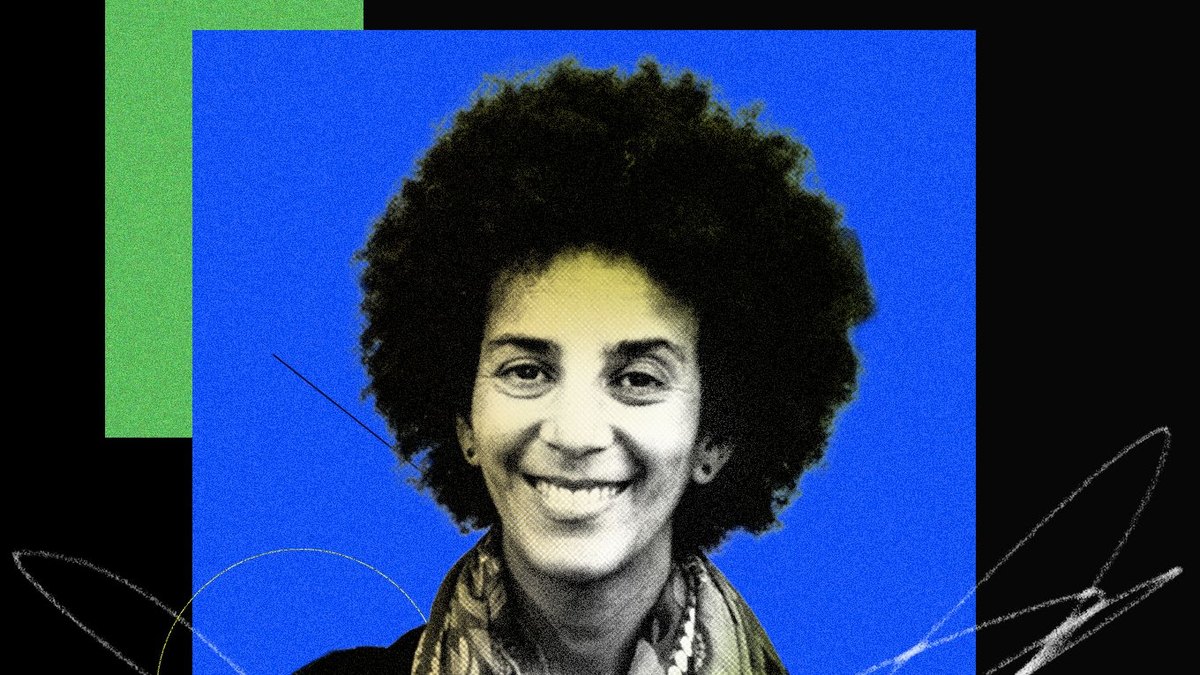
Waxaa la hadlay Timnit Gebru, oo ah macallin caan ah oo ka tirsan adduunka, kadib markii ay sheegtay in warbixinnada ku saabsan khataraha AI ay yihiin mid aan waxba ka tarmin. Gebru waxay sheegtay inay tahay mid ka dhacday inay ka baxday Google, kadib markii ay ka hadashay khilaafka ku saabsan AI.
Gebru iyo khilaafka Google
Timnit Gebru waxay ka baxday Google kadib markii ay ka hadashay warbixin ay ku sheegtay in AI-ka Google uu ka dhacay inuu noqdo mid aan waxba ka tarmin. Warbixintaas waxay ku sifeysay in AI-ka uu noqdo mid aan waxba ka tarmin, taasoo keentay inay ka baxdo shirkadda.
Gebru waxay ka dhigtay hay'ad cusub oo lagu baaro khilaafka AI-ka, waxayna qortay buug cusub oo lagu magacaabo 'Deep Unlearning', kaasoo la filayo inuu soo baxo bisha soo socota.
Khataraha AI iyo warbixinnada
Gebru waxay sheegtay in warbixinnada ku saabsan khataraha AI ay yihiin mid aan waxba ka tarmin, waxayna ku tilmaantay inay tahay mid aan waxba ka tarmin. Waxay sheegtay inay tahay mid aan waxba ka tarmin, taasoo keentay inay ka baxdo shirkadda.
Waxay sheegtay inay tahay mid aan waxba ka tarmin, waxayna ku tilmaantay inay tahay mid aan waxba ka tarmin. Waxay sheegtay inay tahay mid aan waxba ka tarmin, taasoo keentay inay ka baxdo shirkadda.
Dhinaca kale: Elon Musk iyo Peter Thiel
Elon Musk iyo Peter Thiel waxay ka hadleen khilaafka AI-ka, waxayna sheegeen inay tahay mid aan waxba ka tarmin. Waxay sheegeen inay tahay mid aan waxba ka tarmin, taasoo keentay inay ka baxdo shirkadda.
Waxay sheegeen inay tahay mid aan waxba ka tarmin, waxayna ku tilmaantay inay tahay mid aan waxba ka tarmin. Waxay sheegeen inay tahay mid aan waxba ka tarmin, taasoo keentay inay ka baxdo shirkadda.
Timnit Gebru has publicly rejected the idea that artificial intelligence poses an existential threat to humanity, calling the narrative dangerous and a tool used to deflect attention from real harms caused by AI systems.
Gebru Rejects Existential Threat Claims
Timnit Gebru, a prominent AI researcher, has spoken out against a faction of the AI industry that believes AI is so powerful it could destroy humanity. She argues that these narratives are not just a distraction but actively harmful, diverting focus from the real issues with AI technology.
Gebru believes the existential risk narrative is self-aggrandizing, claiming it positions its proponents as future-makers while warning of a terrifying future if they cannot continue building. She also notes that those promoting this narrative simultaneously claim AI can stop climate change, bring world peace, and eradicate poverty.
Funding Ties Raise Questions About Motives
Gebru has pointed out that the same billionaires who founded and funded Anthropic also established institutions warning about the existential risk of AI and third parties cited as independent entities. She questions why those who stand to profit most from AI companies would be the ones seeding narratives about AI potentially killing humanity.
The Future of Life Institute was founded by Max Tegmark, a physicist at MIT, and Jaan Tallinn, a billionaire who led Anthropic's Series A funding and was a Skype cofounder. Tallinn also funds METR, an auditor whose report about OpenAI's so-called rogue agents hacking Hugging Face went viral.
Critics Challenge Gebru's Earlier Research
Some members of the AI industry, including an Anthropic cofounder, have alleged that Gebru's earlier research about stochastic parrots is no longer relevant, claiming AI does have the ability to think or reason. Gebru has responded by emphasizing that these narratives distract from real problems like biases in AI systems and the harms they perpetuate.
Gebru has expressed respect for former Federal Trade Commission chair Lina Khan, who stated there is no exception to current laws for AI companies. She argues that the existential risk narrative is part of regulatory capture, designed to shape regulations around fictional super powerful AI rather than addressing actual issues like copyright protection and data center pollution.
Ilaha iyo xuquuqda sawirka
Sawir: Wired Xigasho