
Timnit Gebru: Hadalka 'AI-ka Dhimashada' Waa Inuu Naga Saaraa Dhibaatooyinka Roolka
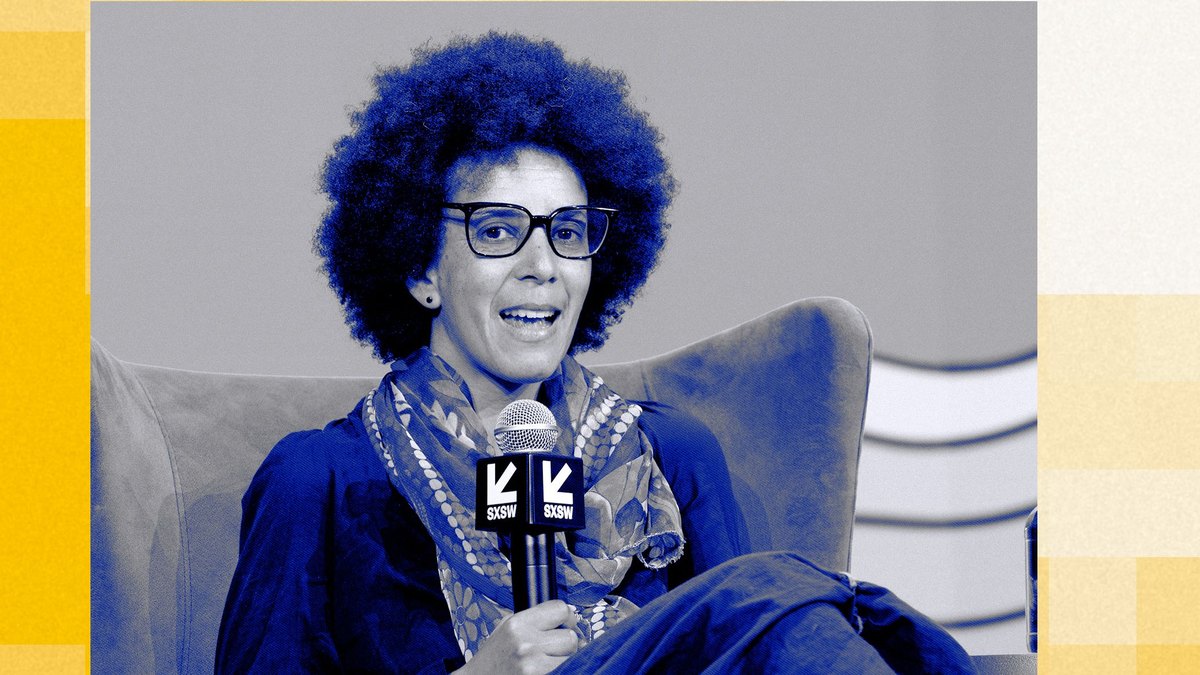
Timnit Gebru, macallin caan ah oo hore u shaqeynayay Google, waxay sheegtay in hadalka ku saabsan in AI-ku uu dhalin karo dadka dhammaantood uu yahay mid aan macno lahayn oo loo isticmaalo in dadka laga saaro dhibaatooyinka roolka ee jira.
Gebru waxay ka hadashay isku-xirnaanta Google
Timnit Gebru waxay 2018-kii ku biirtay Google si ay u baarto khilaafaadka AI-ka, balse markii ay soo saartay warbixin ku saabsan khataraha AI-ka, shirkaddu waxay diiday, kadibna ay ka baxday. Gebru waxay hadda qorayso buug ku saabsan taariikhdeeda, kaas oo la filayo inuu soo baxo bisha soo socota.
Gebru waxay sheegtay in Google ay u diiday warbixintaas sababtoo ah waxay aaminsanayd in AI-ku uu khatar ku yahay bulshada, balse shirkaddu waxay aaminsanayd in AI-ku uu yahay mid aan khatar lahayn.
Hadalka Gebru ee ku saabsan AI-ka iyo dhibaatooyinka roolka
Gebru waxay sheegtay in hadalka ku saabsan in AI-ku uu dhalin karo dadka dhammaantood uu yahay mid aan macno lahayn, waxayna sheegtay in dadka AI-ka ka warbixiya khataraha uu u isticmaalo in dadka laga saaro dhibaatooyinka roolka ee jira.
Waxay sheegtay in AI-ka uu khatar ku yahay bulshada, balse dadka AI-ka ka warbixiya khataraha uu u isticmaalo in dadka laga saaro dhibaatooyinka roolka ee jira.
Gebru waxay ka hadashay AI-ka iyo dhibaatooyinka roolka
Gebru waxay sheegtay in AI-ka uu khatar ku yahay bulshada, balse dadka AI-ka ka warbixiya khataraha uu u isticmaalo in dadka laga saaro dhibaatooyinka roolka ee jira.
Waxay sheegtay in AI-ka uu khatar ku yahay bulshada, balse dadka AI-ka ka warbixiya khataraha uu u isticmaalo in dadka laga saaro dhibaatooyinka roolka ee jira.
Timnit Gebru, a former Google researcher and one of AI's fiercest critics, argues that the industry's obsession with 'AI extinction' is a calculated distraction from tangible dangers like autonomous weapons, climate collapse, and supply chain disruption.
Rejecting the 'Machine-God' Narrative
Gebru, who publicly departed Google after her team's paper on the risks of large language models was rejected, says the 'AI extinction' debate is senseless. She describes the industry as a mix of cults and true believers, comparing the singularity narrative to a preacher warning of the end times. She rejects phrases like 'safety and alignment,' arguing they are meant to distract us from actual harms.
When asked to explain how AI extinction might happen, Gebru expressed disbelief, asking, 'Does an angry GPU just show up at my house or something?' She noted that many scenarios involve asking a machine to optimize a task and then having it decide to kill everyone, or whether AI can hypnotize humans to prevent being unplugged. She found these scenarios implausible and disconnected from reality.
The Real Existential Threats
Gebru argues that the genuine existential threats are already here. She points to AI powering autonomous weapons and killing machines used in warfare, the climate catastrophe that could be worsened by tech companies, and disruptions to the global food supply chain. She also highlights the use of AI as an excuse for bosses to eliminate workers and the ability of individuals to create and use chemical weapons.
She uses the metaphor of a collapsing bridge to illustrate her point: when a bridge falls, you do not ask whether it was ethical or sentient, but rather who built it to be so flimsy. She warns that policymakers are relying on press releases and popular media instead of talking to mathematicians themselves, noting that the time from a company claiming a breakthrough to a politician proposing a bill is dangerously short.
Industry Frenzy and the Math Fight
Gebru criticized the current state of the AI industry, describing it as cutthroat and driven by pending IPOs rather than collaboration. She questioned why companies are heavily investing in solving math problems, arguing that subjects like programming and chess were elevated to mean solving intelligence, allowing companies to claim, 'We solved it.' She believes this framing is designed to sell a story of incredible AI capability rather than reflecting genuine progress.
The debate intensified after an Anthropic researcher, who previously worked at OpenAI, publicly quit his job citing concerns about how both companies handle AI safety. Another Anthropic staffer responded by stating that people at the company 'really do earnestly believe AI could kill all humans! I personally think it is >10% within the next decade.' Gebru countered that this fear is privileged and ignores real-world dangers like police brutality and floods.
Ilaha iyo xuquuqda sawirka
Sawir: Wired Xigasho