
Aqoonsiga AI-ga ayaa saameyn ku yeeshay shaqaalaha adeegyada macaamiisha
Adeegyada macaamiisha ee dalka Mareykanka ayaa wajahaya dhibaatooyin cusub oo ka dhashay in macaamiishu isticmaalaan barnaamijyada AI-ga sida ChatGPT, iyagoo ka hor istaagaya talooyinka shaqaalaha.
Macalinka iyo macaamiisha
Madison, oo ah shaqaale ah oo shaqeyn jirtay New York, waxay sheegtay in macaamiishu ay ka hor istaagaan talooyinkeeda marka ay sheegto in cunto ay ku jirto nooc ka mid ah alaabta ay uga baxeen. Waxay sheegtay in macaamiishu ay sheegaan in ChatGPT uu sheegay in cunto kama jirto alaabtaas.
Madison waxay intaa ku dartay in macaamiishu ay u baahan yihiin inay la hadlaan ChatGPT, iyagoo ka hor istaagaya talooyinka shaqaalaha. Waxay sheegtay in macaamiishu ay u baahan yihiin inay la hadlaan ChatGPT, iyagoo ka hor istaagaya talooyinka shaqaalaha.
Adeegyada kale ee macaamiisha
Shaqaalaha ciyaaraha, barista, iyo Apple Store ayaa sheegay in macaamiishu ay u baahan yihiin inay helaan alaabta ama adeegyada aan jirin. Waxay sheegeen in macaamiishu ay u baahan yihiin inay helaan alaabta ama adeegyada aan jirin.
Lauren Wilford, oo shaqeyn jirtay 15 sano, waxay sheegtay in macaamiishu ay u baahan yihiin inay helaan alaabta ama adeegyada aan jirin. Waxay sheegtay in macaamiishu ay u baahan yihiin inay helaan alaabta ama adeegyada aan jirin.
Dhibaatooyinka kale
Jason, oo ah shaqaale ah oo shaqeyn jirta dhulka federaalka, waxay sheegtay in macaamiishu ay u baahan yihiin inay helaan alaabta ama adeegyada aan jirin. Waxay sheegtay in macaamiishu ay u baahan yihiin inay helaan alaabta ama adeegyada aan jirin.
Casey, oo ah macalin ah oo shaqeyn jirta New York, waxay sheegtay in waalidiintu ay u baahan yihiin inay helaan alaabta ama adeegyada aan jirin. Waxay sheegtay in waalidiintu ay u baahan yihiin inay helaan alaabta ama adeegyada aan jirin.
From restaurants to national parks, workers across the service industry are reporting a disturbing trend: customers increasingly trusting AI-generated advice over expert guidance, sometimes dismissing allergen warnings or requesting products that do not exist.
Allergens and Expertise Undermined
Madison, a server in New York City, has witnessed guests push back on allergen warnings by citing ChatGPT as authoritative. When she informs diners that a dish contains shellfish, some customers refuse to listen, insisting the AI chatbot disagrees. 'You're allergic to shellfish, and ChatGPT says there's no shellfish in this, and we are telling you, yes there is!' she says.
Beyond allergens, Madison reports that patrons are increasingly bypassing professional sommeliers in favor of generative AI tools. Some guests dismiss wine experts entirely, preferring to consult ChatGPT for pairing suggestions. 'The amount of times I've suggested, 'Let me grab the sommelier for you,' and they say, 'No, I'll just ask ChatGPT,' or somms have been dismissed from the table because the guest has a preference for ChatGPT, that has been increasing quite a bit,' she explains.
Nonsensical Requests and Skepticism
Federal land rangers in the Mountain West are encountering visitors with AI-generated itineraries that include hallucinated campsites and geographically impossible schedules. Jason, a river ranger who asked to be referred to by a pseudonym, says some groups remain skeptical even when rangers point out the errors on a map. 'A certain type of AI user is inclined to trust ChatGPT over rangers, maps, and printed guidebooks,' he says.
Parents are also turning to ChatGPT or Claude for childhood development advice, sometimes overriding professional recommendations. Casey, an after-school program teacher in New York, describes a family that consulted ChatGPT for a bedtime routine despite their child needing two to three more hours of sleep nightly. 'The parents just insisted that their ChatGPT was telling them that their schedule was fine,' she says.
Agentic AI Complicates Service Interactions
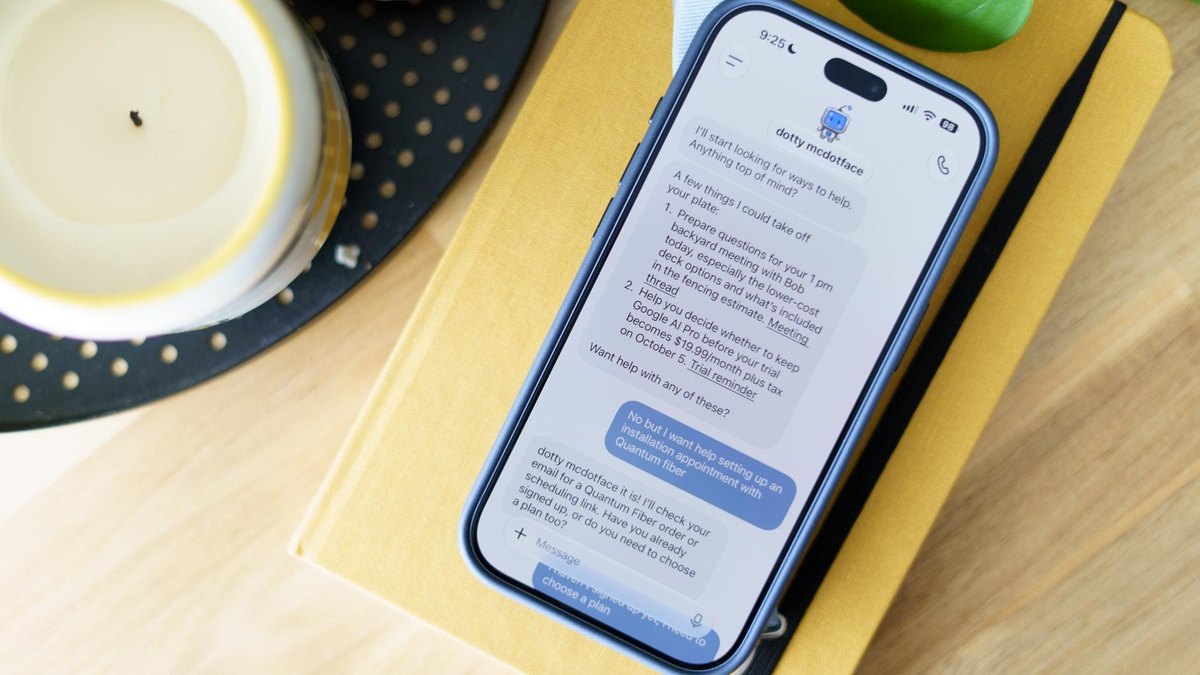
Lauren Wilford, a food service professional with 15 years of experience, reports that AI agents are now making restaurant reservations on behalf of customers, leading to confusing in-person interactions. Some clients make last-minute requests for equipment and menu changes through AI, then fail to mention these when they arrive. Wilford suspects the requests may not have come from humans at all.
The launch of Muse, Meta's new AI agent, is expected to further exacerbate these issues in customer service jobs. Wilford notes that while she understands the appeal of AI for administrative tasks, the loss of human connection in service encounters is concerning. 'Anything where there's value to two humans seeing each other and working something out together, I think we're not sensitive to what might be lost if we try to skip all of that stuff,' she says.
Ilaha iyo xuquuqda sawirka
Sawir: The Verge Xigasho