
Xaaladda Dhaqaalaha Soomaaliya

Executive Summary
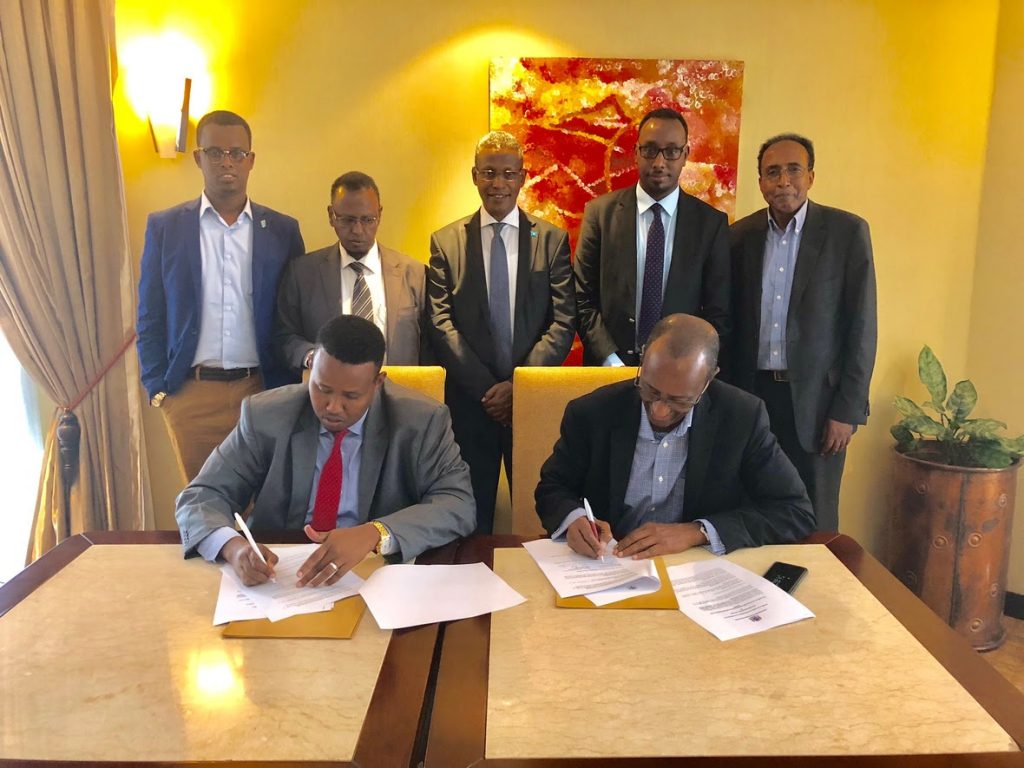
Somalia’s economy faces significant challenges, stemming from decades of conflict, political instability, and recurring droughts. While progress has been made in recent years, particularly in the telecommunications and remittance sectors, the country continues to grapple with high poverty rates, limited infrastructure, and dependence on aid. This report analyzes the current state of the Somali economy, highlighting key issues, opportunities, and potential pathways for sustainable growth. We explore the complexities of the informal sector, the role of remittances, and the urgent need for investment in human capital and infrastructure to foster a more resilient and inclusive economy. The report concludes with recommendations for policymakers and the international community to promote long-term economic stability and prosperity in Somalia.

Introduction
Somalia’s economic landscape is a complex tapestry woven with threads of resilience and vulnerability. Decades of conflict have left deep scars, hindering development and perpetuating cycles of poverty. However, amidst the challenges, there are pockets of growth and opportunity. The vibrant informal sector, driven by the entrepreneurial spirit of its people, remains a crucial engine of the economy. This report delves into the intricacies of the Somali economy, examining its strengths, weaknesses, and potential for future growth. We will explore the factors driving economic activity, the hurdles preventing progress, and the crucial steps necessary to build a more prosperous and stable future for Somalia.
Frequently Asked Questions (FAQs)
- Q: What is the main source of income for Somalia?
A: While the formal sector is underdeveloped, the economy is largely driven by the informal sector, encompassing livestock, remittances from the diaspora, and the burgeoning telecommunications industry. However, its reliance on remittances makes it vulnerable to external shocks.
- Q: How does climate change affect the Somali economy?
A: Somalia is extremely vulnerable to climate change. Recurring droughts devastate agriculture, leading to food insecurity, displacement, and economic hardship. Climate change exacerbates existing vulnerabilities, hindering economic progress.
- Q: What role does the international community play in the Somali economy?
A: The international community plays a significant role through humanitarian aid, development assistance, and support for government initiatives. However, effective aid requires strong governance and transparency to ensure it reaches its intended beneficiaries and contributes to sustainable development.
The Informal Sector: The Backbone of the Economy
The informal sector dominates Somalia’s economy, employing a vast majority of the population. This sector encompasses a wide range of activities, from small-scale trade and agriculture to services and transportation. Its dynamism and resilience have been critical in absorbing shocks and providing livelihoods despite the challenging circumstances.
- Limited access to finance: Lack of formal financial institutions makes it difficult for informal businesses to access credit and expand. This limits growth potential and prevents formalization.
- Lack of legal protection: Informal businesses often operate without legal protection, leaving them vulnerable to exploitation and inconsistent enforcement. Formalization would provide crucial safeguards.
- Tax evasion and revenue loss: The informal nature of the economy leads to significant tax evasion, hindering government revenue generation and limiting public services. Formalization with proper incentives could help increase tax revenue.
- Vulnerability to shocks: Informal businesses are highly vulnerable to external shocks like droughts, political instability, and disease outbreaks. Diversification and resilience-building measures are crucial.
- Potential for growth: With appropriate support, the informal sector can be a powerful engine for economic growth, creating jobs and generating wealth. Investment in skills development and infrastructure can unlock its full potential.
Remittances: A Lifeline for Somali Households
Remittances from the Somali diaspora represent a crucial source of income, significantly contributing to household consumption and poverty reduction. They are a vital lifeline for many families, supporting basic needs and investment in education and healthcare.
- Foreign exchange earnings: Remittances are a major source of foreign exchange for Somalia, supporting the value of the Somali shilling. However, volatility in remittance flows can impact the economy.
- Household consumption: A significant portion of remittances is spent on daily needs, providing a crucial buffer against poverty. However, remittance dependence can also hinder economic diversification.
- Investment in human capital: A portion of remittances is invested in education and healthcare, contributing to human capital development and future economic productivity. However, ensuring effective investment is crucial.
- Vulnerability to external factors: Remittance flows are vulnerable to factors such as changes in global economic conditions, migration policies, and exchange rate fluctuations. Diversification is key to mitigating these risks.
- Improving remittance channels: Lowering transaction costs and improving the efficiency and security of remittance channels would benefit both senders and recipients. Collaboration with international organizations is needed.
Agriculture: A Sector with Untapped Potential
Agriculture is a critical sector for Somalia, employing a large part of the workforce and contributing significantly to food security and livelihoods. Despite its importance, the sector faces significant challenges, including land degradation, water scarcity, and lack of access to technology and markets.
- Climate change impacts: Recurring droughts and unpredictable rainfall patterns severely impact agricultural productivity, leading to food insecurity and displacement. Investing in drought-resistant crops and water management is crucial.
- Limited access to credit and inputs: Farmers lack access to credit, improved seeds, fertilizers, and equipment, hindering productivity and profitability. Microfinance initiatives and agricultural extension services are essential.
- Lack of infrastructure: Poor infrastructure, including roads and storage facilities, limits access to markets and increases post-harvest losses. Investment in infrastructure development is vital.
- Land tenure insecurity: Uncertainty about land ownership discourages investment and sustainable land management practices. Clarity on land rights is essential for long-term agricultural development.
- Conflict and insecurity: Conflict and insecurity disrupt agricultural activities, displace farmers, and limit access to resources. Creating secure environments is essential for agricultural recovery.
Infrastructure Development: A Catalyst for Growth
Somalia’s underdeveloped infrastructure represents a significant constraint on economic growth. The lack of adequate roads, electricity, and communication networks hinders trade, investment, and access to essential services.
- Road networks: Poor road conditions increase transportation costs, limiting market access and hindering agricultural and industrial activities. Investment in road construction and maintenance is essential.
- Electricity access: Limited access to reliable electricity restricts industrial development and reduces productivity. Investment in renewable energy sources and grid expansion is needed.
- Telecommunications: The relatively developed mobile phone network has enabled financial transactions and communication, but further investments in broadband internet access are needed.
- Port and airport infrastructure: Improving port and airport infrastructure is crucial to facilitating trade and attracting foreign investment. Modernization and capacity building are essential.
- Water and sanitation: Access to clean water and sanitation is crucial for public health and economic productivity. Investments in water infrastructure and sanitation systems are needed.
Governance and Institutional Reforms: Building a Stable Foundation
Effective governance and institutional reforms are essential for creating a stable and conducive environment for economic growth. Transparency, accountability, and the rule of law are crucial for attracting investment and building trust.
- Combating corruption: Corruption diverts resources, undermines public trust, and discourages investment. Strengthening anti-corruption institutions and promoting transparency are critical.
- Strengthening the rule of law: A strong and predictable legal framework is essential for protecting property rights, enforcing contracts, and attracting foreign investment.
- Improving public financial management: Efficient and transparent public financial management is crucial for ensuring effective use of public resources and building confidence.
- Capacity building: Investing in human capital through education and training is essential for building a skilled workforce and supporting economic growth.
- Security sector reform: Improving security and stability creates a more favorable environment for investment and economic activity.
Conclusion
The Somali economy faces profound challenges but also possesses significant potential for growth. Addressing the issues outlined above requires a multifaceted approach, focusing on strengthening governance, improving infrastructure, developing the agricultural sector, and harnessing the potential of the informal economy. The international community has a vital role to play in supporting these efforts, but sustainable progress will ultimately depend on effective leadership, good governance, and the resilience of the Somali people. The way forward lies in building a more inclusive and resilient economy that creates opportunities for all Somalis. By tackling these challenges head-on, Somalia can unlock its economic potential and embark on a path towards sustainable and inclusive growth.
Keyword Tags
Somalia economy, Somali informal sector, Remittances Somalia, Somali agriculture, Infrastructure Somalia