
Dhibaatooyinka Ka Dhashay Dabkii Suuqa Bakaaraha
Executive Summary

The devastating fire at Bakara Market in Mogadishu, Somalia, resulted in catastrophic losses, impacting thousands of lives and the Somali economy. This extensive report delves into the multifaceted consequences of this tragedy, exploring the immediate and long-term impacts on traders, consumers, the local economy, and the broader social fabric of Mogadishu. We will examine the human cost, the economic devastation, the challenges of rebuilding, and the opportunities for recovery and resilience. This analysis aims to provide a comprehensive understanding of the disaster’s ripple effects and offer insights for future disaster preparedness and response in similar contexts.
Introduction
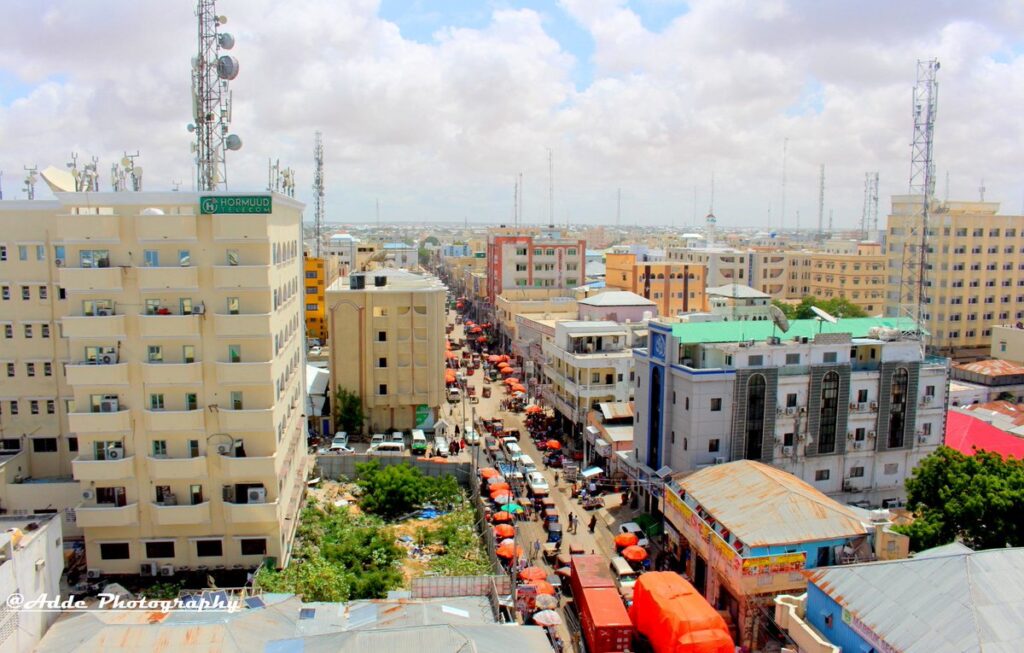
The recent fire at Bakara Market, a bustling commercial hub in Mogadishu, Somalia, was a devastating blow to the city and the nation. The blaze, which raged for hours, resulted in the destruction of countless stalls, shops, and goods, leaving thousands of vendors and their families without livelihoods. Beyond the immediate loss of property and merchandise, the fire has exposed underlying vulnerabilities within the market’s infrastructure and the broader economic system of Mogadishu. This report examines the multifaceted consequences of this tragedy, offering insights into its impact and potential pathways toward recovery.
Frequently Asked Questions (FAQs)
-
Q: What caused the Bakara Market fire? A: The precise cause of the fire remains under investigation. However, initial reports suggest a potential electrical fault, although other possibilities are still being explored. The lack of adequate fire safety measures significantly exacerbated the situation.
-
Q: What was the extent of the damage? A: The fire resulted in the near-total destruction of a large section of the market, including thousands of stalls selling a wide array of goods. The exact monetary value of the losses is still being assessed, but it is expected to be significant. Many vendors lost their entire livelihoods.
-
Q: What aid is being provided to the victims? A: Various organizations, including local and international NGOs, government agencies, and private individuals, are providing aid in the form of food, shelter, and medical assistance to those affected. However, the scale of the disaster demands a much larger and sustained effort to ensure long-term recovery.
The Human Cost of the Fire
The Bakara Market fire had a profound human cost. Thousands of people lost their sources of income, leading to widespread poverty and food insecurity. Many families were displaced from their homes, adding to the already substantial humanitarian challenges faced by the city. The psychological trauma experienced by those who lost their businesses and possessions cannot be overlooked.
- Loss of Livelihoods: The fire wiped out the livelihoods of thousands of traders, leaving them with nothing. Many were small business owners, relying entirely on their daily income for survival.
- Displacement and Housing: The destruction of stalls and nearby structures resulted in the displacement of many vendors and their families, creating a housing shortage and further complicating their recovery.
- Psychological Trauma: The experience of witnessing the fire, losing their businesses, and facing an uncertain future has caused severe psychological trauma among many affected individuals.
- Food Insecurity: The loss of income has directly led to food insecurity for many families, making it difficult for them to meet their basic needs.
- Access to Healthcare: The immediate aftermath of the fire created challenges in accessing healthcare, compounding the suffering of those injured or experiencing health problems related to the displacement.
- Social Disruption: The fire has caused significant social disruption, impacting community cohesion and social support networks.
Economic Devastation: The Impact on Mogadishu’s Economy
Bakara Market played a crucial role in Mogadishu’s economy, acting as a central hub for trade and commerce. The fire’s impact extends far beyond the immediate losses of the traders. The destruction of goods and infrastructure has significantly hampered economic activity in the city. The market’s closure has affected the entire supply chain, impacting businesses both within and outside of Mogadishu.
- Loss of Tax Revenue: The destruction of businesses translates directly into a loss of significant tax revenue for the local government, hindering its ability to provide essential services.
- Disruption of Supply Chains: The fire severely disrupted supply chains, impacting the availability of goods and increasing prices across the city.
- Reduced Economic Activity: The closure of a significant portion of the market has reduced overall economic activity in Mogadishu, affecting employment opportunities and overall growth.
- Inflationary Pressures: The decreased supply and increased demand resulting from the fire have created significant inflationary pressures.
- Impact on National Economy: The impact of the Bakara Market fire extends beyond Mogadishu, affecting Somalia’s national economy due to the market’s significant contribution to the country’s GDP.
- Loss of Investment: The fire could deter potential investors, negatively affecting future economic development and opportunities within Mogadishu.
Rebuilding Bakara Market: Challenges and Opportunities
Rebuilding Bakara Market is a monumental task, demanding a coordinated and well-planned approach. It is crucial to address not only the physical reconstruction but also the systemic issues that contributed to the severity of the disaster. This includes establishing improved fire safety regulations, ensuring proper infrastructure development, and providing long-term support for affected vendors.
- Secure Funding: Securing adequate funding is paramount for successful reconstruction. This requires a coordinated effort from the government, international organizations, and private donors.
- Infrastructure Development: The rebuilding efforts must focus on creating a more resilient and modern infrastructure, including improved fire safety measures and effective waste management systems.
- Vendor Support: Support is needed for affected vendors beyond just financial assistance; including business development training, access to credit, and market reorganization efforts are critical for their recovery.
- Transparency and Accountability: Transparency and accountability in the allocation and utilization of funds are crucial to ensure that the rebuilding process is fair and efficient.
- Community Involvement: The community must be actively involved in the planning and execution of the reconstruction to ensure that the resulting market meets their needs.
- Long-term Planning: A long-term plan for the sustainable development of the market is crucial to prevent future disasters and ensure its long-term prosperity.
The Role of International Aid and Cooperation
International aid and cooperation are crucial for successful recovery from the Bakara Market fire. International organizations and governments can provide vital assistance in various forms, from financial aid and technical expertise to logistical support and humanitarian relief. This collaboration is essential to ensure the efficient and effective rebuilding of the market and to address the broader economic and social challenges facing Mogadishu.
- Financial Assistance: International organizations and governments can provide significant financial aid to support the rebuilding efforts and provide relief to those affected.
- Technical Expertise: International expertise in urban planning, infrastructure development, and disaster recovery can be invaluable in ensuring the successful reconstruction of the market.
- Logistical Support: International support can greatly assist in providing logistical support for the distribution of aid, the construction of temporary shelters, and the rehabilitation of infrastructure.
- Capacity Building: International collaborations can focus on capacity building, empowering local communities and government agencies to manage and respond to future crises effectively.
- Coordination and Collaboration: Effective coordination between international agencies and local organizations is crucial to avoid duplication of efforts and to maximize the impact of the aid.
- Sustainable Solutions: International cooperation should focus on sustainable solutions that promote resilience and address the root causes of vulnerability to future disasters.
Conclusion
The Bakara Market fire serves as a stark reminder of the devastating consequences of disasters and the importance of preparedness. The human cost, the economic devastation, and the challenges of rebuilding are immense, demanding a comprehensive and sustained response. While the immediate focus must be on providing aid to the affected population and rebuilding the market’s infrastructure, long-term solutions that enhance resilience and address systemic vulnerabilities are crucial for preventing future tragedies and fostering sustainable development in Mogadishu. The collective efforts of local communities, the Somali government, and the international community will determine the success of the recovery process and the long-term well-being of the people affected.
Keywords:
Bakara Market Fire, Mogadishu, Somalia, Disaster Relief, Economic Recovery