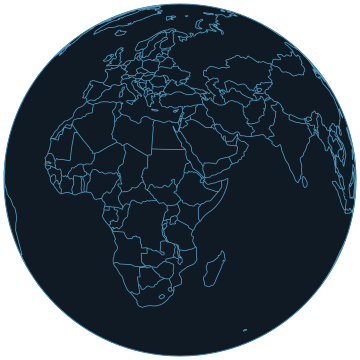

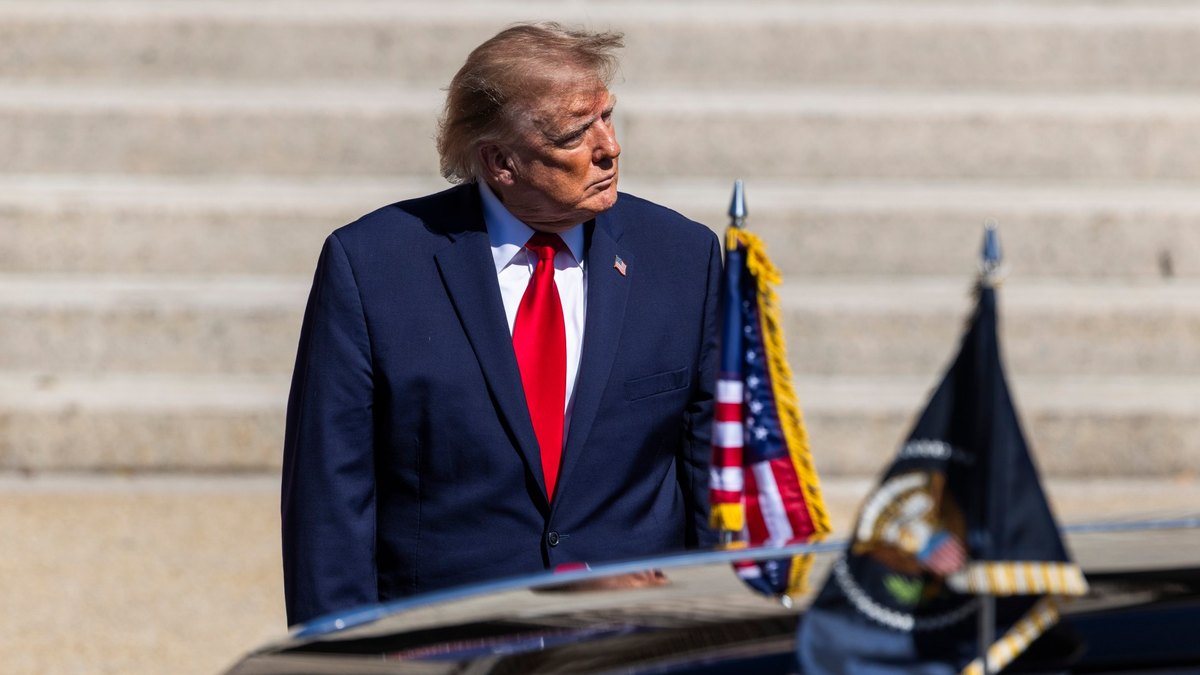
Madaxweyne Trump wuxuu diiday codsigii Iran ee furitaanka Badda Hormuz muddo todobaad ah
Madaxweynaha Maraykanka Donald Trump wuxuu si rasmi ah uga digay codsigii Iran ee furitaanka Badda Hormuz muddo todobaad ah, iyadoo Washington ay sheegtay inay ku jirto xaalad adag oo ku saabsan xiriirka labada dal.
Maaha waxa ku jiray codsiga todobaadlaha ah ee Iran
Wasiirka Arrimaha Dibadda ee Iran, Abbas Araghchi, wuxuu sheegay in codsiga uu ku jiro in Maraykanku uu fuliyo tallaabooyinka uu hore u qabtay ee heshiiska Islamabad ee June 17, kaas oo ka kooban in la siiyo lacag dhan $12 bilion oo la xiray, in la qaado xad-dhaafka badeedka, iyo in la joojiyo dagaalka. Wuxuu sidoo kale sheegay in muddo afar ilaa todobaad ah la fulinayo, kadibna la furayo badda.
Araghchi wuxuu yiri: "Doorashadu waxay ku jirtaa Maraykanka. Iran ma aqbalin xad-dhaaf, cabsi, ama xad-dhaaf." Wuxuu intaas ku daray in muddo saddex maalmood ah la furayo badda, kadibna la bilaabo wadahadallada "heshiiska ugu dambeeya" muddo todobaadlaha ah.
Jawaabta Maraykanka iyo xaaladda badda
Dowladda Maraykanka ma jawaabtay codsiga Iran si rasmi ah, laakiin warbaahinta ayaa sheegtay in Trump uu diiday codsiga, isagoo sheegay inuu ka xumahay in Iran ay fuliso codsiyada Maraykanka. Wuxuu sidoo kale sheegay in Maraykanku uu leeyahay "deeqdii dhammaystiran" ee badda, halka Iran ay sheegtay inay leedahay "deeqdii dhammaystiran".
Trump wuxuu xafiiskiisa ku qoray sawir ka muuqda badda, kaas oo loo yaqaan "Trump Strait", halkaas oo uu hore u sheegay inuu leeyahay deeqdii dhammaystiran. Iran ayaa si adag u diiday, waxayna sheegtay inay leedahay deeqdii dhammaystiran.
Haddii wadahadallada ay sii wadaan, maxuu ka dhacayaa?
Waxaa jira wadahadallo u dhexeeya labada dal, iyadoo Qatar ay u dhexeysay inay u gudbisay xogta. Wasiirka Arrimaha Dibadda ee Qatar wuxuu la hadlay madaxweynaha Iran, Masoud Pezeshkian, isagoo ka wada hadlaya in la yareeyo dagaalka iyo in la furayo wadahadallada. Trump wuxuu sheegay in wadahadallada ay ahaayeen "wax walba wanaagsan".
Laakiin, waxaa jira "xanuun badan oo ka jira Washington" in labada dal ay isku raacsan yihiin. Trump wuxuu sheegay inuu diyaar u yahay inuu fuliyo dagaal cusub kadib doorashada dhexe ee November, halka Paul Musgrave uu sheegay inuu u baahan yahay inuu ka gudbo dagaalka si uu uga gudbo xaaladda.
Iran has presented a seven-day roadmap to reopen the Strait of Hormuz, but President Trump has reportedly dismissed the proposal, citing doubts over Tehran's willingness to meet American demands.
Iran's Seven-Day Roadmap
Iran's Foreign Minister Abbas Araghchi outlined a plan to restore normal maritime passage through the Strait of Hormuz within a week, a waterway through which one-fifth of global oil and natural gas is shipped during peacetime. The proposal requires the United States to release $12bn in frozen Iranian assets, lift oil sanctions, and end its naval blockade on Iranian ports, actions Araghchi said Iran had already committed to under the failed June 17 Islamabad Memorandum of Understanding.
Araghchi told reporters that all hostilities, including in Lebanon, must cease during the seven-day period. He estimated that once the US conditions are met, which he said would take four or five days, the strait could be reopened and negotiations on a final deal would begin on day seven. "The choice now rests with the United States," Araghchi said, adding that "Iran does not accept coercion, threats or intimidation."
Washington's Cautious Response
The US government has not publicly responded to the plan, but unnamed officials cited by The Wall Street Journal reported that Trump had quickly ruled it out. Trump expressed scepticism about whether Iran would fulfil US demands, whose most persistent requirements are that Iran never be able to acquire a nuclear weapon and that it restore free passage in Hormuz. A US official told Al Jazeera that Washington is in no hurry to respond and sees itself as being in a strong position with respect to the strait.
Late on Friday night, Trump posted an image of a map on his Truth Social platform that labelled it "Trump Strait." Trump has previously said the US has "total control" over the waterway and threatened to designate it as a US territory. Iran strongly denied that, saying it has complete control of the strait. There is "an enormous amount of scepticism in Washington that the two countries are on the same page," according to Thomas Warrick, senior fellow at the Atlantic Council.
Diplomacy and the Road Ahead
Despite the rejection, both the US and Iran have said the door to diplomacy remains open. At the UN General Assembly in New York this week, Qatar has been passing messages between the two sides as an intermediary. Qatar's foreign minister spoke with Iranian President Masoud Pezeshkian on Friday about de-escalation and the conditions for renewed dialogue. Earlier this week, US officials, including special envoys Jared Kushner and Steve Witkoff, held mediated discussions with Iranian counterparts in New York, a meeting Trump described as "very good."
However, the outlook remains uncertain. According to US officials cited in The Wall Street Journal, Trump told his aides he expects to carry out a new bombing campaign against Iran after the US midterm elections in November. Paul Musgrave, an associate professor of government at Georgetown University in Qatar, told Al Jazeera that Trump "doesn't want to end the war on unfavourable terms" and that the result of November's elections will likely help steer his policy. If Trump's Republican party suffers severe setbacks, he may opt for "unilateral actions, including perhaps a resumption of warfare
Ilaha iyo xuquuqda sawirka
Sawir: Al Jazeera English Xigasho