[ad_1]
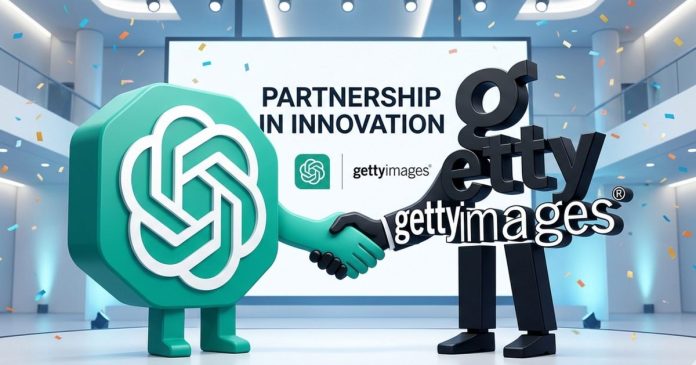
The AI industry’s most fascinating stories often come from unlikely alliances, and this is certainly one of them. Getty Images, a company that has spent years raising concerns about how AI models are trained and how creative work is used, is now officially partnering with OpenAI.
The new agreement will allow Getty Images’ licensed content to appear across ChatGPT’s search and discovery experiences. That means users may begin seeing Getty’s professionally licensed photos and visual assets integrated into ChatGPT responses, adding more visual context to searches and AI-generated answers. Getty says the goal is to make AI-powered search more useful and trustworthy by relying on high-quality, licensed content rather than the murky sourcing practices that have sparked countless debates across the AI industry.
The great AI truce begins with a handshake
What makes this announcement especially interesting isn’t just the partnership itself—it’s the broader signal it sends. For the past few years, the conversation around generative AI has largely revolved around copyright, compensation, and whether AI companies should be allowed to train on creative works without explicit permission. Getty Images has been one of the most prominent voices pushing for licensed, permission-based approaches to AI.
Aerps / Unsplash
This new deal doesn’t erase those debates, but it does suggest that some content owners see a future where AI companies and rights holders can coexist through formal licensing agreements rather than endless legal battles. For OpenAI, the partnership adds access to one of the world’s largest collections of professional photography, journalism, sports imagery, entertainment coverage, and historical archives. For Getty Images, it creates another avenue to distribute and monetize its vast library while reinforcing its long-standing position that AI should be built on properly licensed content. The bigger takeaway is that the AI industry appears to be entering a new phase. Instead of simply arguing over who owns what, some of the largest players are beginning to explore what collaboration might actually look like. And in this case, that collaboration comes from two companies whose relationship once seemed destined for the courtroom rather than a partnership announcement.
[ad_2]