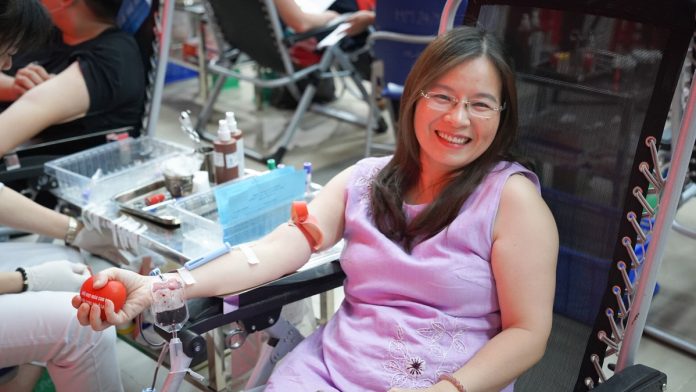
New data from the World Health Organization (WHO) show sustained progress towards safer blood supplies globally but also highlight persistent inequalities in access to safe blood and weaknesses in governance, financing and regulation of blood systems.
News
Data collected from 132 countries reveal that global blood collections increased by nearly 19% between 2013 and 2023. Voluntary, unpaid donors continued to drive this progress, accounting for over 85% of the estimated 120 million blood donations received in 2023.
Despite these gains, access to safe blood and blood products remains highly unequal worldwide. Many patients – including women experiencing life-threatening bleeding during childbirth, children with severe anaemia, trauma or burn victims, patients undergoing surgery, and people living with conditions such as sickle-cell disease, thalassaemia, haemophilia, immune deficiencies and certain cancers – still lack reliable access to safe blood and life-saving transfusions, particularly in lower-income
“No one should die because safe blood is unavailable when it is needed,” said Dr Tedros Adhanom Ghebreyesus, WHO Director-General. “These data show encouraging progress, particularly in the growing contribution of voluntary unpaid blood donors worldwide – the cornerstone of safe and sustainable blood supplies – but it also reminds us that where a person lives can still determine whether they have access to the blood transfusion they need. Governments must continue investing in strong, sustainabl
Details
Persistent inequalities in blood availability
Although high-income countries account for just 15% of the global population, they collect 36% of all blood donations worldwide. In contrast, many lower-income countries continue to face blood supply shortages due to limited financing, weak infrastructure, logistical barriers and insufficient donor recruitment.
Blood donation rates vary dramatically across countries, ranging from 0.4 to 53 donations per 1000 population. Twenty-four countries reported collecting fewer than 5 blood donations per 1000 population, reflecting severe constraints in providing timely transfusions for patients in need.
Analysis
The proportion of blood collected from voluntary, unpaid donors also differs considerably by income levels of countries. While such donations account for 98.4% of all blood donations in high-income countries, the figure falls to 63.4% in low-income countries, where health systems often struggle to maintain adequate and reliable blood supplies.
Stronger governance and financing needed
Safe blood depends on strong governance and regulation of blood systems, alongside sustained engagement and commitment of blood donors. WHO analysis shows that nearly one-third of countries still lack specific legislation to ensure the safety and quality of blood and blood products. Only 64% of countries report systems for regular inspection of blood services, 62% have licensing systems, and just 40% indicate that at least some blood transfusion services are accredited – highlighting significant
Stay informed with the latest news on Wararka.so — your trusted source for Somalia and world news.