
Xukuumadda Japan waxay diyaar u tahay inay sameyso hay'ad gaar ah oo xog-ururin ah
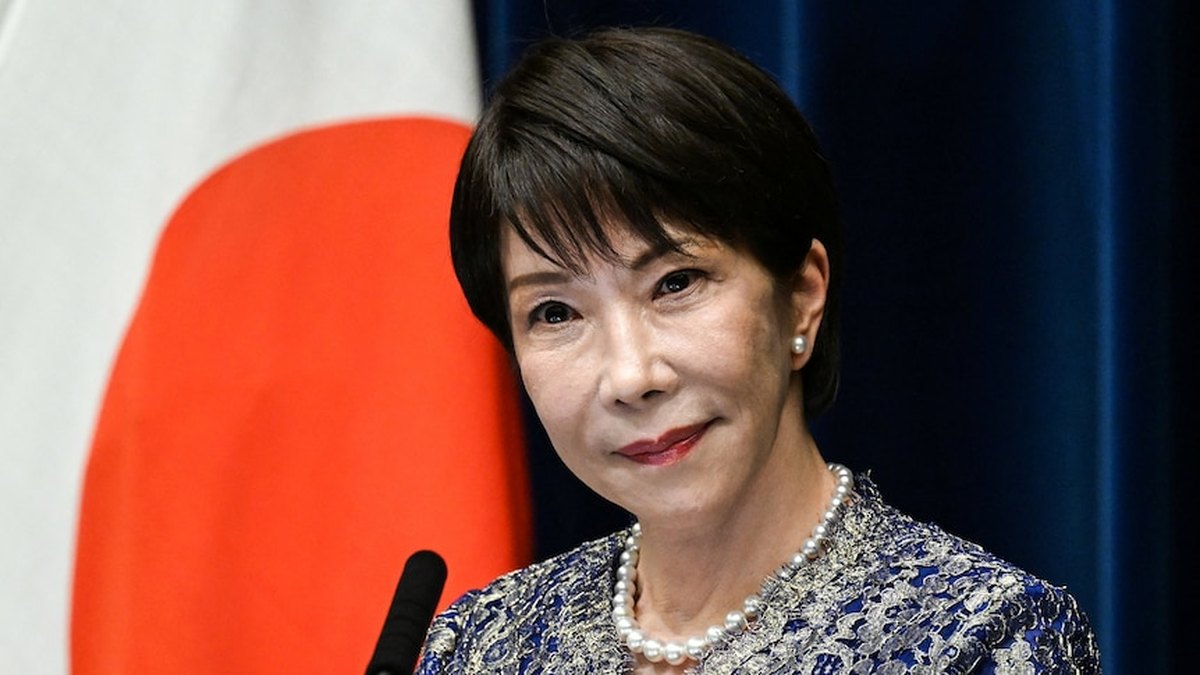
Wasiirka Arrimaha Gudaha Japan, Sanae Takaichi, ayaa sheegay in xoojinta awoodda xog-ururinta ay tahay 'mowqifka ugu muhiimsan', iyadoo dowladdu ay diyaar u tahay inay sameyso hay'ad xog-ururin oo aan horey loo samayn tan iyo Dagaalka Adduunka II.
Dhibaatada xog-ururinta hadda jirta iyo sababta beddelka
Nidaamka xog-ururinta ee Japan waa mid qayb-qaybsan, iyadoo laamaha amniga, difaaca iyo arrimaha dibadda ay xog ururiyaan laakiin aan weli wadaagto xogta dhexdooda. Wasiirka Takaichi ayaa sheegtay in la arko 'dhaqdhaqaaq milatari oo ka socda China iyo Koonfur-Koreya, sidoo kale xoojinta iskaashiga ee u dhexeeya China iyo Ruushka, iyo Ruushka iyo Koonfur-Koreya'.
Osawa Jun, xubnaha kooxda aragti-sameynta ee Hay'adda Nakaone, ayaa sheegay in nidaamkii hore uu 'khalday in dalka oo dhan uu sameeyo xog-ururin iyo xaqiijin si loo wadaagto si sax ah'. Waa in la sameeyaa shuruuc cusub iyo hay'ado dowladeed si loo hubiyo in xogta loo isticmaalo si sax ah.
Iskaashiga Australia iyo xoojinta xiriirka
Japan waxay eegaysaa nidaamyada xog-ururinta ee dowladaha Maraykanka, UK, Faransiis, iyo Australia. Tomohiko Satake, oo ka tirsan Jaamacadda Aoyama Gakuin, ayaa sheegay in Australia ay noqotay 'tusaale wanaagsan Japan muddo badan', gaar ahaan xiriirka xog-ururinta.
Waxaa jira iskaashi dhow oo ka dhexeeya Japan iyo Australia, iyadoo wasiirada labada dal ay soo saareen war-murtiyeed ku saabsan xoojinta difaaca iyo amniga. Satake ayaa sheegay in Japan ay 'runtii rabto' inay ka mid noqoto AUKUS, iskaashi saddex-dhaxle ah oo ka dhexeeya Australia, UK, iyo Maraykanka.
Japan is advancing plans to establish its first centralised foreign intelligence agency since World War II, driven by Prime Minister Takaichi Sanae's declaration that strengthening national security capabilities is a matter of the utmost urgency.
Urgent Need for Coordinated Intelligence
The current fragmented system, where police, defence, and foreign affairs departments gather information without always sharing it, is being replaced by a new overarching security council and a National Intelligence Bureau. Experts argue the old structure failed to ensure the nation carried out intelligence gathering and analysis in a properly coordinated manner.
Osawa Jun, a senior research fellow at the Nakasone Peace Institute, noted that to possess intelligence capabilities on par with the US or the UK, it will be necessary to gather intelligence abroad. Conceptually, this new body would be akin to the world of the CIA or Britain's 007.
Strategic Goals and International Models
According to a policy document prepared by the ruling party, the aim is to establish this independent foreign intelligence agency by early 2028. The agency will seek to maximise the effective use of limited human resources and be operational immediately after establishment.
Japan has examined intelligence systems in the US, UK, France, and Australia. Tomohiko Satake from Aoyama Gakuin University stated that Australia had been a good model for many years, noting that while Japan cannot be America or the UK in scale, it could match Australia in terms of intelligence ability.
Geopolitical Drivers and Chinese Reaction
Ms Takaichi highlighted concerns regarding the military build-up of China and North Korea, as well as strengthened cooperation between China, Russia, and North Korea. She also raised alarms about the unauthorised leakage of cutting-edge technology and disinformation campaigns aimed at manipulating public opinion.
In response, China has criticised Japan's reforms, describing them as another negative move in its domestic and external security policies. Chinese spokesperson Mao Ning accused Japan of threatening regional peace and stability, citing historical precedents where Japan's intelligence agencies paved the way for militarism.
Ilaha iyo xuquuqda sawirka
Sawir: ABC Australia Xigasho