
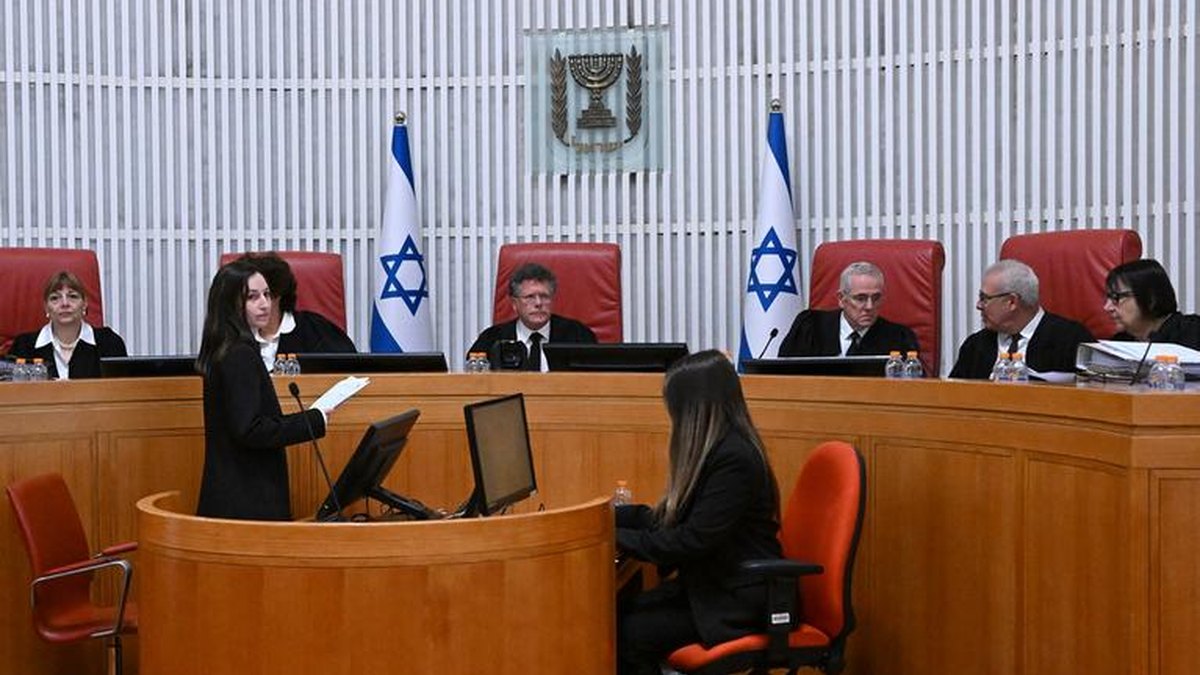
Maxkamadda Sare ee Israel ayaa ogolaatay in xisbiyada Arambada ka qayb galaan doorashada
Maxkamadda Sare ee Israel ayaa maalintii Jimcaha go'aansatay in afar xisbi oo ka tirsan bulshada Arambada ay kalsooni ku yeelan karaan inay ka qayb galaan doorashada baarlamaanka ee dalkaasi ee dhacaysa bishan. Go'aankan ayaa dib u celiyay xukun hore oo hay'adda doorashooyinka dalkaasi ku xukuntay in xisbiyadaas laga reebo tartanka.
Go'aanka Maxkamadda iyo Xisbiyada La Ogolaaday
Maxkamaddu waxay go'aamisay in xisbiga 'Ra'am' oo ah liiska xisbiyada Arambada, iyo liiska 'Joint List' ee ka kooban xisbiyada Hadash, Balad iyo Ta'al ay u fududeeyeen inay tartamaan. Go'aannadan ayaa ahaa kuwo isku meel marayay saddexda saraakiil ee maxkamadda, waxaana la filayay inay yimaadaan.
Sidoo kale, maxkamaddu waxay dib u ceshatay go'aankii lagu xirey xildhibaanka xisbiga Hadash ee Ofer Cassif. Laba ka mid ah saddexda saraakiil ee maxkamadda ayaa ka soo horjeestay go'aankan, halka xisbiga Balad ee hoggaamiyaha Sami Abu Shehadeh loo sheegay inuu ka baxo tartanka.
Sababta Xukunka iyo Sharciga Doorashada
Hay'adda doorashooyinka (CEC) ayaa la xiriirta xukuumadda madaxweyne Benjamin Netanyahu, kaas oo ka kooban xisbiyada midigta iyo kuwa fog. Sharciga Knesset-ka ayaa ogolaanaya in xisbiyada laga reebo haddii ay diidaan jiritaanka dalka ama ay dhiirigeliyaan racsi.
Xisbiyada midigta sida Likud iyo Otzma Yehudit ayaa soo gudbiyay codsiyada lagu xirey xisbiyada Arambada, balse CEC ma xukumin xisbiyada midigta ee kuwaas oo sheegta inay dhibaatooyin ku hayaan xuquuqda dadka.
Saamaynta Doorashada iyo Hadal-haynta
Go'aankan ayaa saamayn weyn ku yeelan doona doorashada, gaar ahaan xaqiijinta in Netanyahu uu heli karo xilka saddexdii muddo ee saddexaad. Shuruudaha doorashada ayaa noqon kara mid adag, iyadoo xisbiga Ra'am uu noqon karo midka go'aamisa xukuumadda.
Hoggaamiyaha xisbiga Balad ee Sami Abu Shehadeh ayaa sheegay inuu ka xumahay qoraalkii uu ka qorey weerarka 7-ka October, balse wuxuu intaas ku daray in CEC ay uusan xukumin siyaasiyiinta midigta ee kuwaas oo dhibaatooyin ku haya.
Israel's Supreme Court on Friday overturned a ban by the Central Elections Committee, permitting four Arab parties to contest the parliamentary vote scheduled for October 27. The ruling allows the United Arab List and the Joint List to run, reversing a late September decision that sought to exclude them from the race. This development occurs as Prime Minister Benjamin Netanyahu seeks another term in an election where coalition mathematics will be critical.
Court Overturns Ban on Arab Candidates
The Supreme Court's unanimous decision regarding the United Arab List, known as Ra'am, and the Joint List means these groups may participate in the election. The court also restored the candidacy of Hadash lawmaker Ofer Cassif, though two judges opposed this specific aspect of the ruling. Arabs constitute approximately one fifth of Israel's population, making their inclusion significant for the national vote.
However, the court advised Sami Abu Shehadeh, the leader of the Balad party within the Joint List, to voluntarily withdraw his candidacy. Shehadeh had written an article one day after the October 7, 2023 Hamas terror attack referring to the violence as 'an important historical event.' He later told the court he expressed regret over the statement and condemned the attack, which killed around 1,200 people and abducted more than 250.
Background on Election Disqualification Rules
The Central Elections Committee, controlled by Netanyahu's right-wing coalition, had initially barred the Arab parties under the Knesset's basic law. This legislation prohibits candidates who engage in the 'negation of the existence of the State of Israel as a Jewish and democratic state' or 'incitement to racism.' It also bars those showing 'support for armed struggle by a hostile state or a terrorist organization against the State of Israel.'
Right-wing parties such as Likud and Otzma Yehudit filed petitions arguing Arab parties violated these rules, yet the committee did not bar controversial figures like National Security Minister Itamar Ben-Gvir. Ben-Gvir previously claimed in 2023 that Jewish rights outweigh those of Palestinians in the West Bank, a statement drawing condemnation from the US and EU. The court's intervention highlights the tension between these legal standards and political realities.
Impact on Coalition Talks and Government Formation
The court's decision will have a massive impact as neither Netanyahu's Likud party nor Gadi Eisenkot's Yashar faction is likely to secure enough votes to form a government alone. Recent polls show a close race between the two leaders, necessitating extensive coalition talks following the vote on October 27. The conservative Ra'am party, led by Mansour Abbas, is positioned to potentially act as the kingmaker in these negotiations.
Shehadeh, who was advised to drop out, criticized the Central Election Committee in an interview, stating, 'The same Central Election Committee that disqualified me for an article refused to disqualify all the extreme right-wing racist politicians with all the serious files that were against them.' He added, 'Committing a genocide is considered acceptable and legitimate, but talking about ending the occupation [of Palestinian land] and peace is considered illegitimate.' This quote underscores the deep divisions surrounding the election.
Ilaha iyo xuquuqda sawirka
Sawir: DW World Xigasho