
Iran waxay ku xaqiijisay inay ka sugan tahay jawaabta Mareykanka bishii labaad ee Axadda ku saabsan qorshaha dib u furista Badda Hormuz
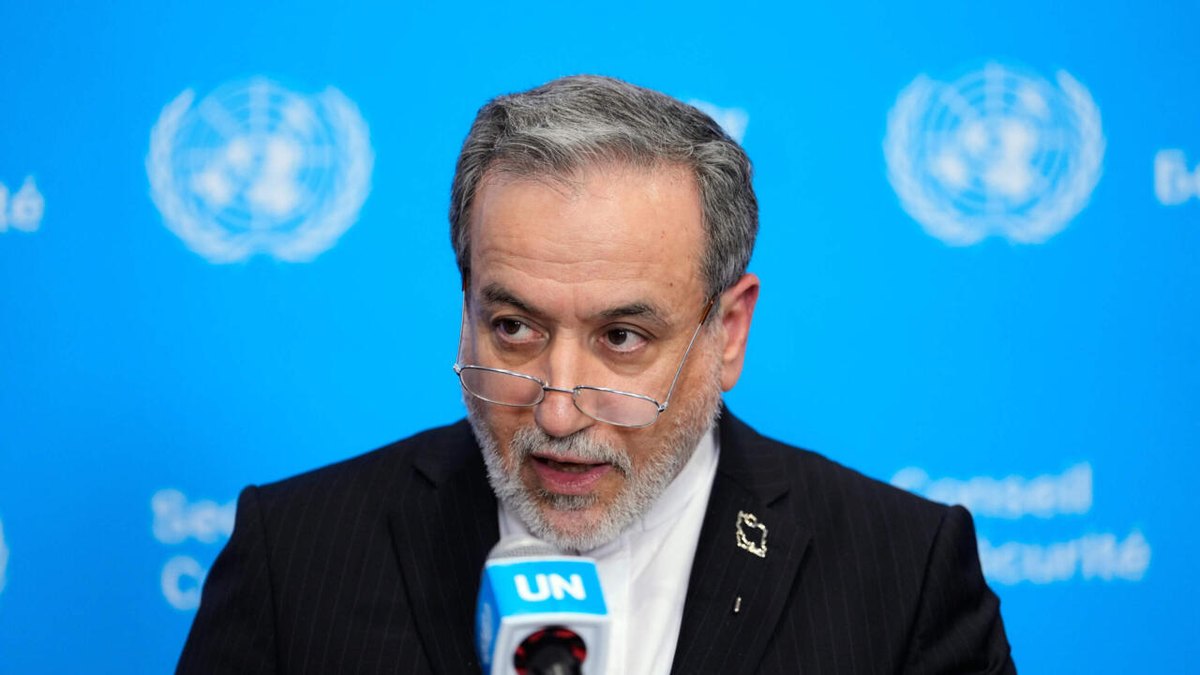
Wasiirka Arrimaha Dibadda ee Iran, Abbaas Aragxi, ayaa sheegay in Tehran ay ka sugan tahay in Mareykanku uu ka jawaabo qorshihii ay soo jeedisay dib u furista Badda Hormuz Axadda, iyadoo ku xiran shuruudo ay ka mid yihiin in la joojiyo dagaalka iyo in la qaado qalabka Iran ka dib.
Qorshaha dib u furista Badda Hormuz iyo shuruudaha Iran
Wasiirka Arrimaha Dibadda ee Iran, Abbaas Aragxi, ayaa sheegay in Tehran ay ka sugan tahay in Mareykanku uu ka jawaabo qorshihii ay soo jeedisay dib u furista Badda Hormuz Axadda, iyadoo ku xiran shuruudo ay ka mid yihiin in la joojiyo dagaalka iyo in la qaado qalabka Iran ka dib.
Iran waxay ku xaqiijisay inay dib u furista Badda Hormuz ku xiran tahay shuruudo ay ka mid yihiin in la joojiyo dagaalka iyo in la qaado qalabka Iran ka dib, iyadoo ku xiran shuruudo ay ka mid yihiin in la joojiyo dagaalka iyo in la qaado qalabka Iran ka dib.
Dib-u-dhaca iyo xiriirka Qatar
Aragxi ayaa sheegay in wakiilada Qatar ay soo jeediyeen fikrado, isla markaana ay ka wada hadleen, iyadoo la filayo inay dib u soo celiyaan arrintan Mareykanka, kadibna jawaabta ugu dambeysa ay ku soo gudbin doonaan Iran.
Wasiirka Arrimaha Dibadda ee Iran, Abbaas Aragxi, ayaa sheegay in Tehran ay ka sugan tahay in Mareykanku uu ka jawaabo qorshihii ay soo jeedisay dib u furista Badda Hormuz Axadda, iyadoo ku xiran shuruudo ay ka mid yihiin in la joojiyo dagaalka iyo in la qaado qalabka Iran ka dib.
Taariikhda khilaafka iyo saameynta Badda Hormuz
Badda Hormuz waxay ahayd meesha ugu muhiimsan ee dagaalka Mareykanka iyo Iran, kaas oo bilaabmay weeraro Mareykanka iyo Israel ku qaadeen Iran bishii Feberaayo, iyadoo hadda ay tahay meesha ugu muhiimsan ee dagaalka Mareykanka iyo Iran.
Badda Hormuz waxay ahayd meesha ugu muhiimsan ee dagaalka Mareykanka iyo Iran, kaas oo bilaabmay weeraro Mareykanka iyo Israel ku qaadeen Iran bishii Feberaayo, iyadoo hadda ay tahay meesha ugu muhiimsan ee dagaalka Mareykanka iyo Iran.
Iran's Foreign Minister Abbas Araghchi said Tehran expects Washington to respond by Tuesday to its proposal to reopen the Strait of Hormuz, a move that would require a regional ceasefire and the lifting of sanctions.
Tehran's Conditions for Reopening the Strait
Iran is seeking guarantees including a seven-day ceasefire across the Middle East, the lifting of sanctions on its oil sector, and an end to the US naval blockade before it will reopen the vital shipping route. The current focus is solely on the Strait of Hormuz, and the reopening is contingent upon the fulfilment of certain conditions that Tehran has communicated to the other side.
In exchange for reopening the Strait of Hormuz, Iran is also demanding the unfreezing of Iranian assets abroad and an end to the US naval blockade. The conditions set by Tehran are designed to ensure that any reopening of the strait is accompanied by broader de-escalation and economic relief for the Islamic Republic.
Diplomatic Efforts and Qatar's Mediation Role
Last week, discussions were held in New York between Araghchi and US envoys Steve Witkoff and Jared Kushner, with Qatari intermediaries playing a key role in facilitating talks. Araghchi said Qatari intermediaries presented ideas, and they are set to raise the matter with the American side once more, after which the final US response will be conveyed to us.
Iran's top diplomat, who is in New York for the UN General Assembly, said the Qataris hope this will be done by tomorrow. The diplomatic momentum suggests that Qatar is actively working to bridge the gap between Tehran and Washington as the deadline approaches.
Background: The Hormuz Conflict and Global Impact
The Strait of Hormuz lies at the heart of the conflict between the United States and Iran, which began with US and Israeli strikes on Iran in late February. The shipping route carried a fifth of the world's oil and liquefied natural gas before the war began, making its closure a significant blow to global energy markets.
Tehran imposed a blockade on Hormuz after the war started, prompting Washington to respond with its own blockade on Iranian ports. The reciprocal blockades have heightened tensions and underscored the strategic importance of the strait in the ongoing geopolitical standoff.
Ilaha iyo xuquuqda sawirka
Sawir: France 24 English Xigasho