More Cows Than Pupils – What Is Behind Mass School Closures in Rural Kenya?
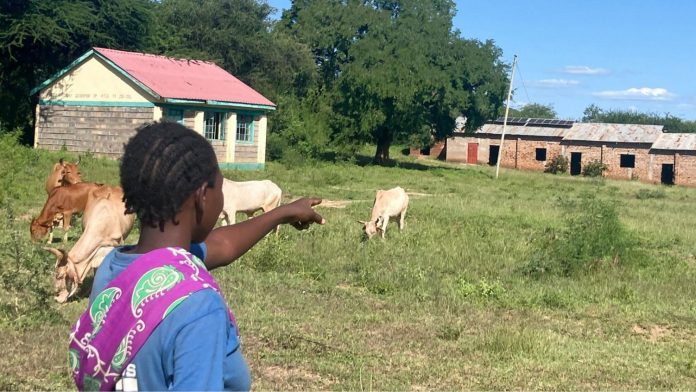
On what should be a busy morning at Kaliluni Primary School in southern Kenya, only cows are in attendance, grazing between broken classroom doors that hang open to reveal rows of empty chairs. Three years ago, more than 200 children filled this rural school with noise and activity. Now there are only five pupils – and on the day we visit they, and the only remaining teacher, are absent.
Maureen Mwisiwa, 12, says she has been turning up to school for the past week to find herself on her own. ‘I feel bad missing lessons all those days while pupils in other schools are still in class,’ she tells the BBC.
Her mother, Josephine Muasya – like the remaining parents with children there – is planning to transfer her daughter to another school where most of Maureen’s friends are now. It is quite a distance away – 8km (5 miles) on rough roads. But as there is no public transport in this remote area of Kitui county, which is more than 200km east of the capital, Nairobi, the children opt for a short cut, trekking over fairly rugged terrain. It will still take Maureen just over an hour to walk to the new school, instead of the 10 minutes to Kaliluni Primary.
The CBE curriculum should strengthen schools, especially for low-income communities, not weaken them