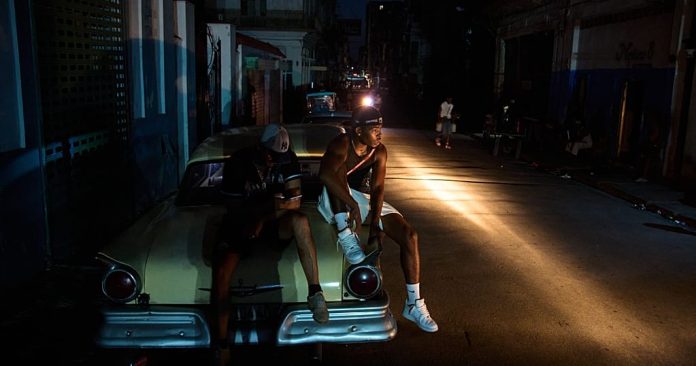
and it sometimes comes at 3 a.m.
News
That’s when 72-year-old Leidis Rodríguez frantically cooked beans after the lights switched on following hours of uninterrupted blackouts.
In the wake of sometimes dayslong blackouts in Cuba — fueled by the oil blockade imposed by the Trump administration in January — Cubans are planning their lives around the lights turning back on.
Those small bursts of relief last a few minutes or a few hours. They come at any time, day or night. Increasingly, the lights flick back on when Rodríguez and her 41-year-old daughter Yaimara Matos would normally be asleep.
Details
When the power comes on, the family stops everything they are doing.
“You want to do everything at the same time — wash clothes, iron, cook, tidy the rooms, because it’s impossible in the dark, and even get a little relief from the heat,” Matos said. “What we used to do in 10 hours, we now have to do in two.”
That’s the case for Cubans across the island, whose lives have been transformed by one of the worst crises the island has seen since the Cuban revolution. Daily life has turned into a tangle of compounding crises families have to unravel.
Analysis
Public transportation and cultural events have come to a standstill. So has tourism, the country’s economic engine, especially as tourism companies have withdrawn, leaving 25,000 hospitality jobs vacant. Flights to the island are regularly cancelled and workdays have been shortened to adjust to the new reality of a Cuba without power. Medicine shortages have worsened and food rots in fridges without power.
Power outages are nothing new to the Caribbean nation. Endemic blackouts began to worsen five years ago as a result of a crumbling energy grid, decades-long U.S. sanctions and failed economic reforms by the communist-run government.
But the quality of life began to rapidly deteriorate when President Donald Trump threatened to impose a tariff on any goods from countries that sell or provide it with oil, Cuba’s main source of power. The move, combined with even more rigid sanctions, were aimed pressuring Cuba’s government into political change. The worst effects have been felt by average Cubans.
Stay informed with the latest news on Wararka.so — your trusted source for Somalia and world news.