
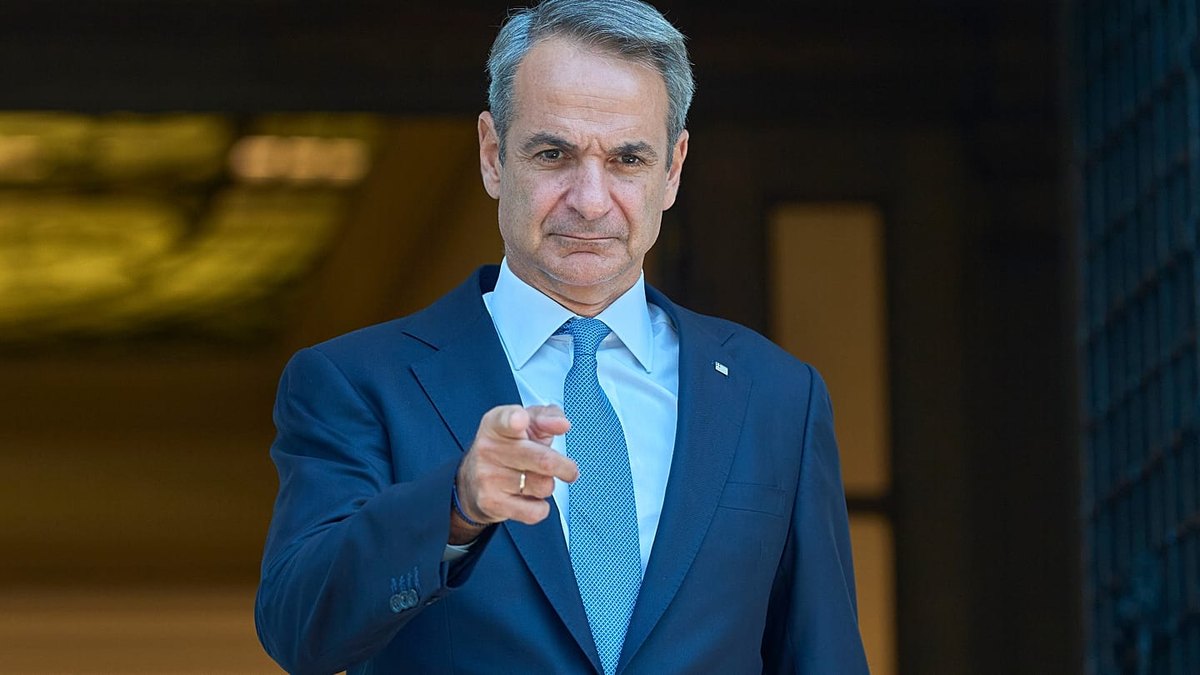
Griisland ayaa ku baaqday in EU-ku ka furo qorshayaasha maaliyadeed, iyadoo khilaafka dhulka iyo biyaha ay sii adkeeyeen
Ra'iisul Wasaaraha Griisland Kyriakos Mitsotakis wuxuu u diray Madaxweynaha Komishanka Yurub Ursula von der Leyen iyo Madaxweynaha Eurogroup Kyriakos Pierrakakis qoraal ku saabsan in la siiyo fursad maaliyadeed oo dheeraad ah, iyadoo qiimaha biyaha iyo dhulka ay ku kordheen 53% iyo 66% tan iyo markii dagaalka Mareykanka iyo Israel ay ku qaadeen Iran 28-kii February.
Qorshaha Griisland iyo baahida fursadda maaliyadeed
Mitsotakis wuxuu sheegay in ay u baahan yihiin 'fursad dheeraad ah' si loo ilaaliyo dadweynaha iyo ganacsiga, isagoo codsaday in tallaabooyinka waqtiga kooban ee dowladda loo beddelo inay ka maqnaadaan tillaabooyinka EU-ka ee ku saabsan kharashka guud. Wuxuu intaas ku daray in dhaqaalaha Griisland uu sii kordhaya, balse lacagaha dowladda iyo taxaha ayaa ka dhigaya inay adag tahay in la yareeyo dhulka guud.
Qoraalka oo la sheegay inuu ku qoran yahay 30-kii September, wuxuu sheegayaa in dhaqaalaha Griisland uu sii kordhaya, balse lacagaha dowladda iyo taxaha ayaa ka dhigaya inay adag tahay in la yareeyo dhulka guud. Wuxuu intaas ku daray in tallaabooyinka waqtiga kooban ee dowladda loo beddelo inay ka maqnaadaan tillaabooyinka EU-ka ee ku saabsan kharashka guud.
Kororka qiimaha biyaha iyo dhulka Yurub
Qiimaha biyaha Yurub ayaa kor u kordhay 53% tan iyo dagaalka 28-kii February, halka qiimaha dhulka uu kor u kordhay 66%. Qiimaha biyaha ee Yurub ayaa kor u kordhay ka €30/MWh ilaa €70/MWh, halka qiimaha biyaha ee dowladaha badan ee Yurub uu kor u kordhay ka €42/MWh ilaa €100/MWh, iyadoo qaar ka mid ah suuqyada ay gaareen ama ka badan yihiin €200/MWh.
Mitsotakis wuxuu sheegay in dhaqaalaha Griisland uu sii kordhaya, balse lacagaha dowladda iyo taxaha ayaa ka dhigaya inay adag tahay in la yareeyo dhulka guud. Wuxuu intaas ku daray in tallaabooyinka waqtiga kooban ee dowladda loo beddelo inay ka maqnaadaan tillaabooyinka EU-ka ee ku saabsan kharashka guud.
Tallaabooyinka kale ee Yurub iyo hadalka dowladaha kale
Dowladaha Yurub ayaa ku bixisay biliyan euro oo taxaha iyo lacagaha dowladda loo isticmaalo si loo ilaaliyo dadweynaha iyo ganacsiga. Ra'iisul Wasaaraha Talyaaniga Giorgia Meloni ayaa sidoo kale codsatay in von der Leyen ay ka furo qorshayaasha maaliyadeed, iyadoo Talyaaniga uu leeyahay dhulka labaad ee ugu sarreeya Yurub. Dhinaca kale, Ra'iisul Wasaaraha Belgium Bart De Wever wuxuu sheegay inaan la helin lacag badan.
Mitsotakis wuxuu sheegay in dhaqaalaha Griisland uu sii kordhaya, balse lacagaha dowladda iyo taxaha ayaa ka dhigaya inay adag tahay in la yareeyo dhulka guud. Wuxuu intaas ku daray in tallaabooyinka waqtiga kooban ee dowladda loo beddelo inay ka maqnaadaan tillaabooyinka EU-ka ee ku saabsan kharashka guud.
Greek Prime Minister Kyriakos Mitsotakis has formally requested greater fiscal flexibility from the European Commission, arguing that the continent's energy crisis demands a broader policy response than demand reduction alone.
A Formal Plea for Fiscal Space
In a letter dated 30 September, addressed to Commission President Ursula von der Leyen and Eurogroup President Kyriakos Pierrakakis, Mitsotakis called for additional breathing room within the Economic Governance Framework to shield citizens and businesses from a renewed energy-price shock. He argued that the current crisis is lasting longer than expected and that the main course of action proposed by the Commission is insufficient for the urgency of the moment.
The Greek leader emphasized that temporary national measures to support consumers and companies should, up to a certain limit, be excluded from the EU's net-expenditure indicator. He also proposed that governments be able to account for additional VAT revenues generated by unexpectedly high inflation linked to energy prices, giving states more fiscal space to subsidise citizens without the same pressure from EU fiscal rules.
Soaring Prices and Rising Debt
Since the United States and Israel launched a war against Iran on 28 February, EU gasoline prices before tax have risen by 53%, diesel by 66%, and gas prices have jumped from just over €30/MWh to around €70/MWh. In most EU countries, electricity prices have exceeded €100/MWh over the past month, up from €42/MWh before the Middle East disruption, with some markets approaching or surpassing €200/MWh.
Greece carries the largest national debt among the 27 EU member states, and while its economy is growing, a wave of generous government subsidies and sweeping tax cuts is making it much harder to chip away at its massive national debt. Athens has been handing out hefty cash aid for energy bills, fuel and farming, while Mitsotakis has slashed income and property taxes to please voters ahead of parliamentary elections slated for 2027.
Broader European Strain
Italian Prime Minister Giorgia Meloni also urged President von der Leyen to loosen fiscal rules, noting that Italy has the second-highest national debt in the EU. Several EU countries have already spent billions of euros in tax cuts and subsidies to shield against skyrocketing prices, but Belgian Prime Minister Bart De Wever ruled out broad measures to tackle rising energy prices, bluntly stating that there is no money.
Mitsotakis expects the request to be discussed at the gathering of energy ministers in Brussels later in October and at next year's summit of EU heads of state and governments. He argued that the problem is no longer just energy costs but their knock-on effect on wider inflation and household affordability, calling for a broader set of ideas that speak to the urgency of the current moment.
Ilaha iyo xuquuqda sawirka
Sawir: Euronews Europe Xigasho