
Dowladaha Aqalka Guud ee Qaramada Midoobay waa inay ka hadlaan xadka amniga ee Iran
Aqalka Guud ee Qaramada Midoobay ayaa maanta ku yeeshay kulan muhiim ah oo ku saabsan xadka amniga ee Iran, kaas oo ka dhashay tallaabooyinka cusub ee la qaadayo kadib markii dowladaha dhexe ee amniga ay ku xadgeliyeen go'aamo muhiim ah.
Xadka amniga iyo habka uu shaqeynayo
Dowladaha dhexe ee amniga ee Qaramada Midoobay, oo kala ah China, France, Russia, United Kingdom iyo United States, waxay leeyihiin awoodda inay ku xadgeliyaan go'aamada amniga. Haddii mid kasta oo ka mid ah dowladahan dhexe uu ka soo horjeedo go'aan, waa inuu noqdaa mid aan la fulin karin.
Xadka amniga ee Qaramada Midoobay ayaa marar badan loo isticmaalay go'aamada la xiriira xasiloonida Gaza iyo dagaalka Iran, kaas oo ka dhashay weerarada Mareykanka iyo Israel ee bishii February. Tani waxay muujisay in xadka amnigu uu noqdo mid muhiim ah oo lagu xadgeliyo go'aamada amniga.
Tallaabooyinka cusub ee la qaadayo
Aqalka Guud ee Qaramada Midoobay ayaa 2022-kii ku dhisay tallaabo cusub oo lagu xadgeliyo xadka amniga, taas oo u ogolaaneysa inuu aqalka guud uu ka hadlo xadka amniga ee Qaramada Midoobay. Tallaabadaan waxay u ogolaaneysaa inuu aqalka guud uu ka hadlo xadka amniga ee Qaramada Midoobay.
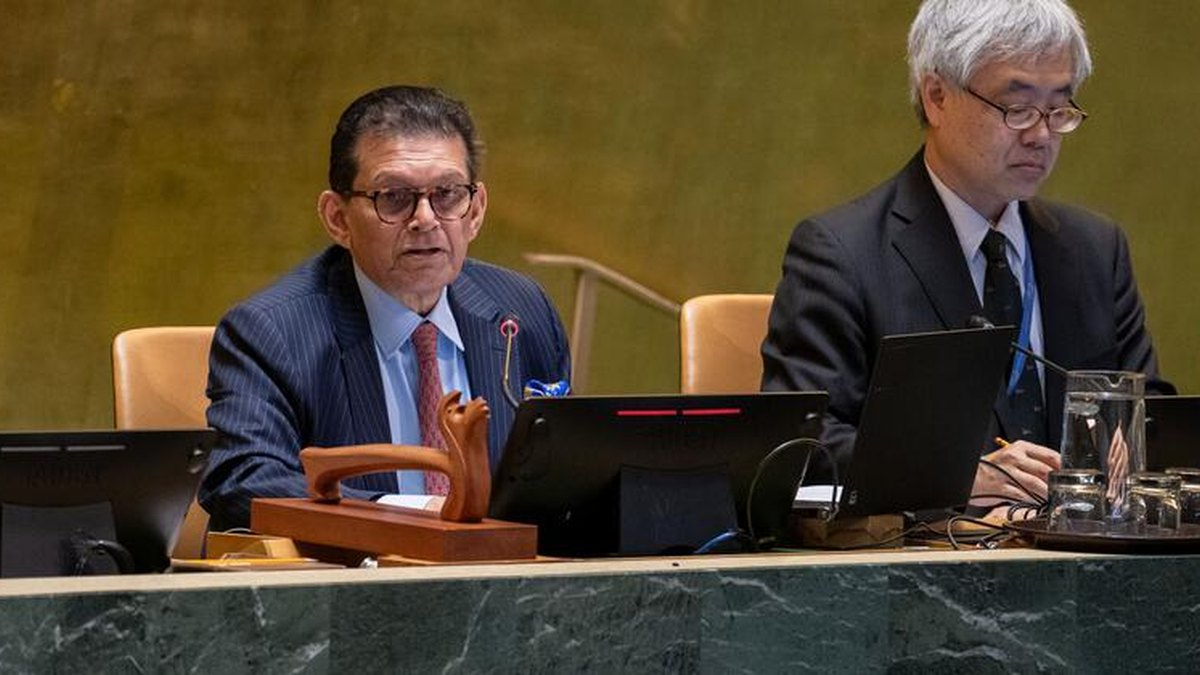
Khalilur Rahman, madaxweynaha aqalka guud ee 81-aad, wuxuu sheegay in tallaabadaan cusub ay u ogolaaneysaa inuu aqalka guud uu ka hadlo xadka amniga ee Qaramada Midoobay, balse aanay u ogolaaneysaa inuu aqalka guud uu ka hadlo xadka amniga ee Qaramada Midoobay.
Dhinacyada kala duwan ee ka hadlaya
China ayaa sheegtay inay ka soo horjeeddo tallaabada cusub, waxayna tusaale u soo jeedisay inay u ogolaaneysaa inay aqalka guud uu ka hadlo xadka amniga ee Qaramada Midoobay. Dhinaca kale, dowladaha Yurub ayaa sheegay inay u ogolaaneysaa inay aqalka guud uu ka hadlo xadka amniga ee Qaramada Midoobay.
Khalilur Rahman wuxuu sheegay in aqalka guud iyo amnigu ay u ogolaaneysaa inay aqalka guud uu ka hadlo xadka amniga ee Qaramada Midoobay, balse aanay u ogolaaneysaa inay aqalka guud uu ka hadlo xadka amniga ee Qaramada Midoobay.
The United Nations General Assembly held a landmark debate on Thursday over the use of the Security Council veto, triggered by a 2022 initiative that demands a public response within 10 working days of any veto. The session focused on the ongoing impasse over the sanctions panel for Iran, rooted in the United States' withdrawal from the 2015 nuclear deal and its subsequent strikes.
The Veto Mechanism and Its Growing Controversy
The veto power is reserved for the five permanent members of the Security Council: China, France, Russia, the United Kingdom and the United States. Under this rule, a single negative vote from any permanent member causes a resolution to fail automatically, a mechanism that has drawn increasing criticism from the wider membership.
At last year's annual debate, then-General Assembly president Annalena Baerbock described repeated veto use as a 'poster child' for global gridlock. The current veto initiative, established in 2022, requires the General Assembly to convene within 10 working days of any veto, ensuring transparency and accountability without overriding the veto itself.
Divergent Positions on the Iran Sanctions Panel
The debate centred on the stalled sanctions panel, which the European Union argued should be extended. Hedda Samson, Deputy Head of the EU delegation, stated that 'No UN Member State should prevent the UN Security Council from functioning properly and being fully operational', noting the need for expert oversight is 'even great today'.
China's Deputy Permanent Representative Sun Lei opposed the draft resolution, saying his delegation voted against it to 'uphold a correct sense of right and wrong'. The impasse stems from the United States' 2015 withdrawal from the Joint Comprehensive Plan of Action, its 'maximum pressure' campaign and two rounds of strikes on Iran during negotiations.
A Call for Balanced Diplomacy and Constructive Dialogue
Assembly president Khalilur Rahman emphasised that the General Assembly and the Security Council 'serve humanity best when they operate in balance', each fulfilling distinct but complementary responsibilities under the UN Charter. He urged delegates to use the debate 'not to exacerbate tensions or assign blame, but to clarify positions, identify common ground for constructive solutions and chart a credible path forward'.
Rahman acknowledged that the veto initiative 'cannot substitute for effective Security Council action', but affirmed its value in ensuring that veto use is accompanied by transparency and explanation. Following the debate, he will send a summary of discussions back to the Security Council to inform future deliberations.
Ilaha iyo xuquuqda sawirka
Sawir: UN News Xigasho