
Heshiiska Aqoonsiga AI ee Madaxtooyada: Qofka Guuleysta waa Midka Isku Dheelitira
Maanta, maamulayaasha shirkadaha ugu waaweyn ee adduunka ee AI-ka ayaa saxiixay heshiis cusub oo Madaxtooyada Mareykanka ku qorsheysan yahay in lagu xakameeyo horumarinta tiknoolajiyadda, balse heshiiskaas ma ahan mid sharci ah.
Heshiiska cusub iyo shirkadaha saxiixay
Maamulayaasha shirkadaha Google, Anthropic, Meta, OpenAI, xAI iyo Nvidia ayaa saxiixay heshiiska 'The White House Accord on Super Intelligence' kadib maalinta Tiiisii, iyadoo madaxweynaha Mareykanka Donald Trump uu furay shirka.
Heshiiskaas wuxuu ku saleysan yahay in shirkaduhu ay sameeyaan 'xalal gudaha ah' oo lagu xakameeyo awoodda AI-ka, sidoo kalena ay la shaqeeyaan hay'adaha dibadda ah ee baaritaanka sameeya, iyadoo la xaqiijinayo in la raacayo shuruudaha la qabtay.
Xaaladda FTC iyo baaritaanka shirkadaha
Hay'adda Ganacsiga iyo Xayeysiinta Mareykanka (FTC) waxay qorsheysan tahay inay baaritaan ku sameyso shirkadaha AI-ka, iyadoo la sheegay inay diiradda saareyso dhibaatooyinka difaaca macaamiisha.
Xoghayaha FTC-ka Andrew Ferguson wuxuu sheegay in baaritaannada ay u baahan yihiin in la raadiyo 'dhaqdhaqaaq' si loo ogaado xaqiiqooyinka, balse qaar ka mid ah xubnaha ayaa sheegay in baaritaankaas uu uusan keenin tallaabo sharci ah.
Heshiiska iyo xeerka ganacsiga
Heshiiska Madaxtooyada wuxuu ku xiran yahay in shirkaduhu ay raacaan shuruudaha la qabtay, waana in la xaqiijiyaa in la raacayo heshiiska, waana in la xaqiijiyaa in la raacayo heshiiska.
Shirkadaha AI-ka ayaa horey u doonayay inay helaan xoriyad sharci ah oo ay ku shaqeeyaan xakameynta AI-ka, balse heshiiska cusub wuxuu muujinayaa in la raacayo heshiiska.
On Tuesday, six of the world's largest technology companies signed a voluntary agreement on artificial intelligence safety at a luncheon hosted by President Donald Trump. The pact, titled the White House Accord on Super Intelligence, outlines internal safety controls but falls far short of the sweeping regulation many industry insiders had hoped for.
The Accord's Core Commitments
The agreement requires companies to implement robust internal controls to monitor their AI models and prevent unintended capabilities. It also encourages firms to partner with external monitors for independent assessments and to establish board committees to receive safety reports.
These voluntary measures represent a significant step toward self-regulation, though they do not constitute a binding legal framework. The pact is the culmination of weeks of debate over how to govern frontier AI development without imposing heavy-handed mandates on the industry.
The FTC's Parallel Investigation
Despite the voluntary nature of the accord, the Federal Trade Commission announced plans to investigate several AI companies over potential consumer protection violations. The New York Post reported that the FTC was planning a sweeping probe into Anthropic, OpenAI, and other frontier labs, though no formal demands have been issued yet.
FTC Chairman Andrew Ferguson has noted that investigators often begin with limited evidence, saying, 'You're constantly looking for smoke to see if there's fire.' However, Douglas Farrar, a former FTC public affairs head, expressed skepticism that the investigation will result in meaningful action against the firms.
What the Pact Does Not Cover
Critics point out that the accord does not address critical consumer privacy issues, such as the collection of voice data from smartphones and other devices. A recent FTC settlement with three companies over deceptive audio-targeting practices did not establish guardrails for future data collection, merely prohibiting false claims.
The agreement also does not set out any guardrails for how companies might use voice data in the future, beyond requiring them not to misrepresent their practices. This gap has drawn sharp criticism from privacy advocates and industry observers alike.
Ilaha iyo xuquuqda sawirka
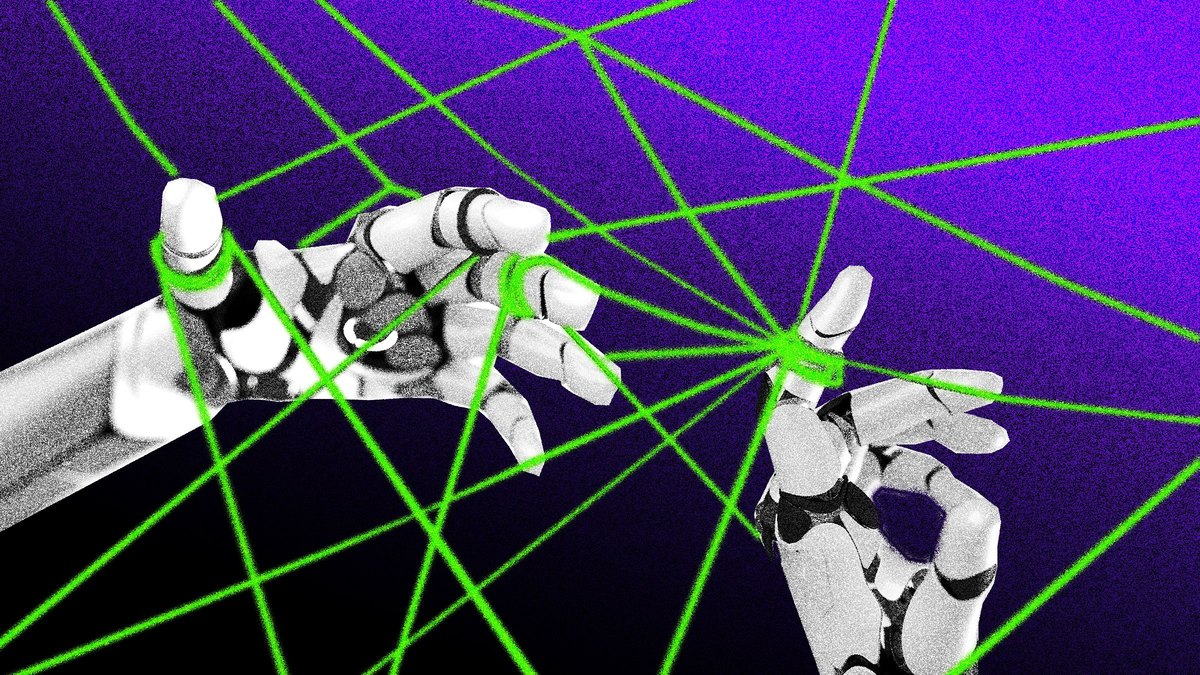
Sawir: Wired Xigasho