
Qorshaha waxaa lagu hor mariyaa maalgelin horay loo diyaariyay oo si toos ah u shaqaynaysa marka saadaasha sayniska ah ay tilmaanto khatar daad oo sareysa.
Bulshada samafalka ayaa ballaarinaysa Tallaabooyinka Horudhaca ah si looga hortago masiibooyinka cimilada ee la saadaalin karo, iyadoo qorshe cusub oo loogu talagalay daadka webiyada Juba iyo Shabelle uu diiradda saarayo degmooyinka khatarta ugu badan ku sugan.
Khatarta daadka iyo saameynta 2023
Somalia waxay la kulantaa daad soo noqnoqda oo sii xoogaysanaya, gaar ahaan webiyada Juba iyo Shabelle, kuwaas oo ay sababto roobab ka sarreeya celceliska oo ka da'a buuraha sare ee Itoobiya iyo gudaha Somalia. Daadadkani waxay saameeyaan bulshooyinka xilliyada Gu (Abriil-Juun) iyo Deyr (Oktoobar-Diseembar), iyagoo sababa barakac, burbur xoolo-dhaqasho iyo hakad adeegyo muhiim ah.
Daadka Deyr ee 2023 waxay saameeyeen ku dhawaad 2 milyan oo qof, oo ay ku jiraan 1.2 milyan oo barakacay. Waxaa burburay ku dhawaad 691 ilo biyo ah iyo 17,900 musqulo, halka 28 xarumo caafimaad ay si xun u saameeyeen. Baidoa, daad degdeg ah ayaa saameeyay ku dhawaad 247,000 oo qof oo ku nool 384 degmo aan rasmi ahayn, wuxuuna burburiyay in ka badan 1,000 musqulo oo wadaag ah.
Qorshaha iyo hannaanka kicinta
Qorshaha Fulinta waxaa lagu horumariyay hannaanka wada-tashi oo ay ku lug lahaayeen kooxo iyo hay'ado UN oo muhiim ah, iyada oo koox shaqo oo OCHA ay isku dubbaridayso, taas oo hoos timaadda hoggaanka Isuduwaha Gargaarka Bani'aadamnimo (HC). Qorshuhu wuxuu diiradda saarayaa degmooyinka ku teedsan webiyada Juba iyo Shabelle, gaar ahaan Hiiraan, Shabeellaha Dhexe, Gedo, Jubbada Dhexe, Jubbada Hoose iyo Shabeellaha Hoose.
Qorshaha waxaa taageeraya maalgelin horay loo diyaariyay oo si toos ah u shaqayn doona marka la gaaro heerarka kicinta ee la isku raacay, iyada oo lagu saleynayo saadaasha sayniska ah ee la ansixiyay oo tilmaamaysa suurtagalnimada sare ee daad webi. Hannaanka kicinta wuxuu ku salaysan yahay nidaamyo saadaalin iyo la-socod ah oo dabagala roobka, qulqulka webiga iyo heerka biyaha webiyada Juba iyo Shabelle.
Isku-dubbaridka qaranka
Qorshahan wuxuu la jaanqaadayaa Qorshaha Qaranka ee Isbeddelka (NTP) 2025-2029, wuxuuna si toos ah u taageerayaa yoolalka Khariidadda Qaranka ee Tallaabooyinka Horudhaca ah 2025-2028, oo lagu horumariyay hoggaanka Wakaaladda Maareynta Masiibooyinka Soomaaliya (SoDMA).
The anticipatory action plan covers districts along the Juba and Shabelle river basins and releases funds when forecast thresholds are met.
Humanitarian partners in Somalia have set out a coordinated plan to act before riverine floods strike, using pre-arranged financing that activates automatically when scientifically validated forecasts signal a high probability of severe flooding, OCHA-coordinated planning shows.
Flood risk along the Juba and Shabelle
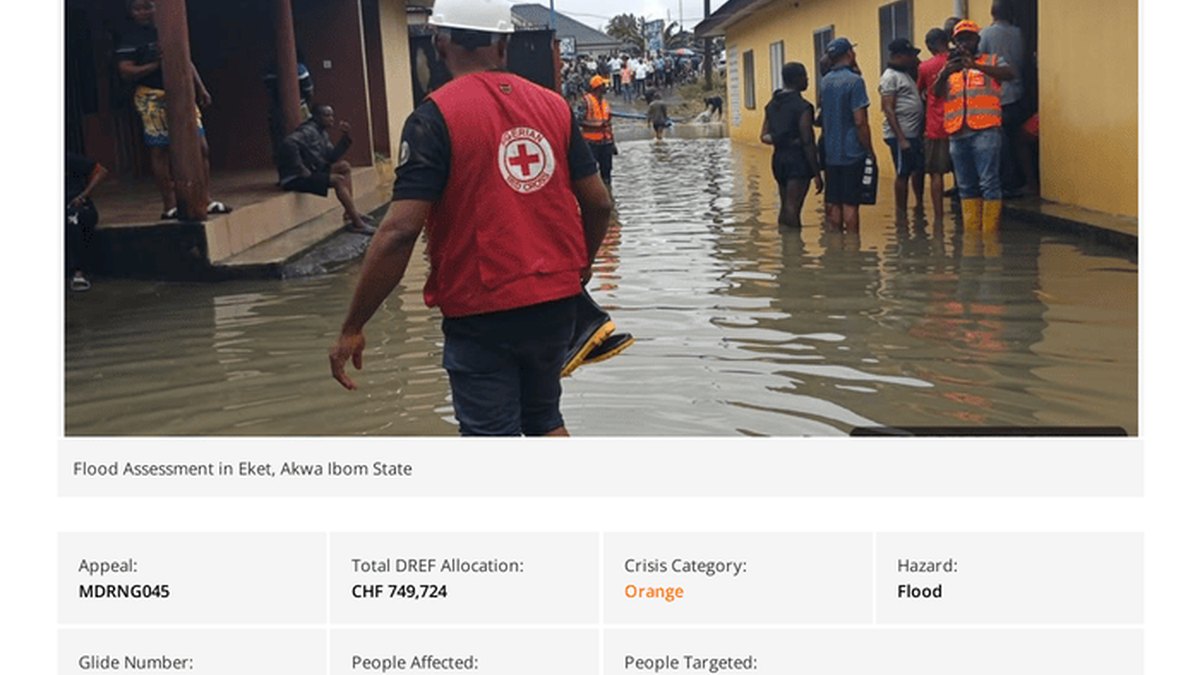
Somalia faces recurrent and increasingly severe flooding, particularly along the Juba and Shabelle river basins, driven by above-average rainfall in the Ethiopian highlands and within Somalia. Floods regularly affect communities during the Gu (April-June) and Deyr (October-December) rainy seasons, causing displacement, destruction of livelihoods and disruption of essential services.
The 2023 Deyr floods affected approximately 2 million people, including 1.2 million displaced, with widespread destruction of homes, livelihoods and critical infrastructure. An estimated 691 water sources and 17,900 latrines were damaged, and 28 health facilities were severely affected, reducing access to essential healthcare.
Baidoa flash floods and protection risks
In Baidoa, flash floods impacted approximately 247,000 people across 384 informal settlements and damaged more than 1,000 communal latrines. Floodwaters also inundated agricultural land, destroyed livestock assets, damaged roads and schools, and disrupted local markets and public services.
Flooding also multiplies protection risks. Women, children, older persons, persons with disabilities, minority groups and internally displaced persons face heightened risks of displacement, family separation, gender-based violence, child labour, exploitation, loss of civil documentation and competition over scarce land and natural resources.
How the plan is triggered and coordinated
The plan focuses on districts along the Juba and Shabelle river basins, particularly in Hiiraan, Middle Shabelle, Gedo, Middle Juba, Lower Juba and Lower Shabelle. It was developed through a participatory process involving clusters and key UN agencies through a task team coordinated by OCHA, under the leadership of the Humanitarian Coordinator.
Its trigger mechanism relies on forecasting and monitoring systems that track rainfall, river discharge and water levels in the two rivers. When predefined thresholds are reached, funding is released and anticipatory actions are activated in designated high-risk districts. The plan is aligned with Somalia's National Transformation Plan 2025-2029 and supports the Somalia National Anticipatory Action Roadmap 2025-2028, developed under the leadership of the Somali Disaster Management Agency (SoDMA).
Ilaha iyo xuquuqda sawirka
Sawir: ReliefWeb Updates Xigasho