
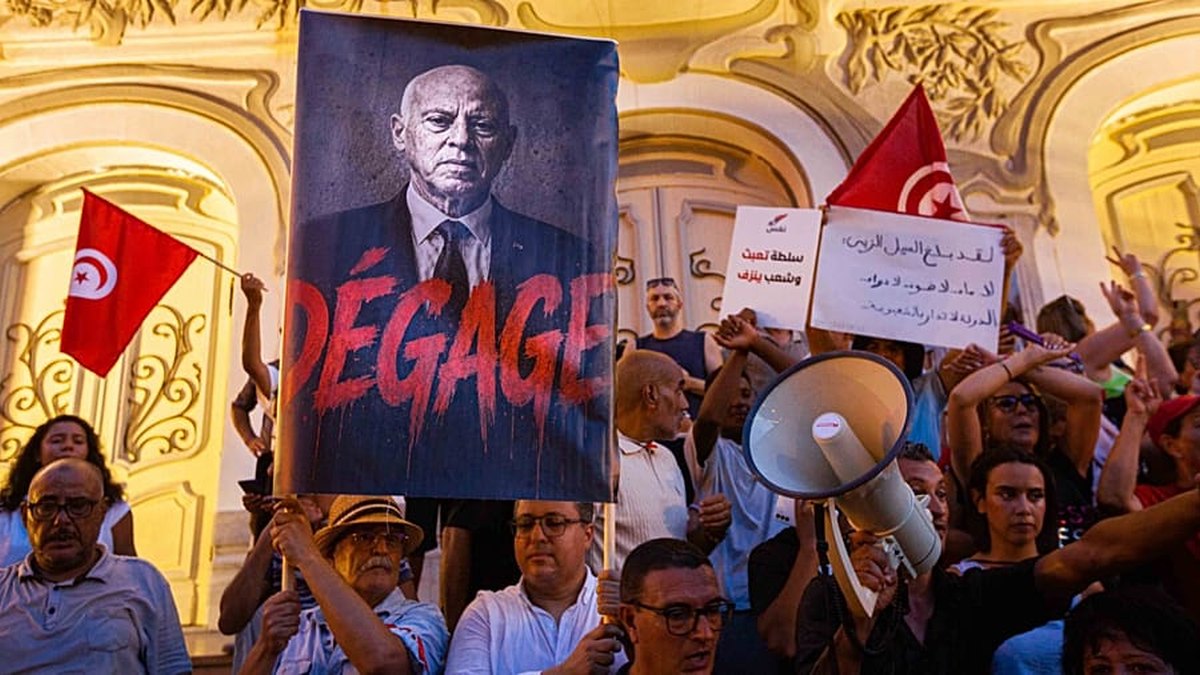
Madaxweynaha Tunisia wuxuu ka joojiyay xukunka shan sano ee ah warar la sheegay inay been abuur yihiin kadib in la diyaariyay
Madaxweynaha Tunisia Kais Saied ayaa maanta go'aan ka gaaray qorshaha amniga internetka ee 2022-kii la soo saaray, isagoo ka joojiyay xukunka shan sano ee dilka ah ee lagu hayay wararka la sheegay inay been abuur yihiin, kadibna wuxuu yareeyay xukunka ugu sarreeya ilaa hal bil.
Go'aanka cusub ee madaxweynaha
Qorshihii hore wuxuu ahaa in qof kasta oo internetka ku faafinaya warar been abuur ah uu helo xukun shan sano ah iyo ganaax dhan 50,000 dinar oo ku dhawaad 17,000 dollar ah, halka xukunku uu ka gaarayo 10 sano haddii la eedeeyo xubnaha dowladda.
Maanta, madaxweynaha wuxuu yareeyay xukunka ugu sarreeya ilaa hal bil oo kaliya haddii qofku u dhacdo muddo labaad, halka xukunka ugu horreeya uu ka joojiyay xabsiga oo dhan, iyadoo qorshaha cusub uu noqon doono mid ka sarreeya midkii hore.
Culimada xuquuqda aadanaha oo diiday qorshihii hore
Culimada xuquuqda aadanaha ayaa muddooyinkii dambe diiday qorshihii hore, iyagoo sheegay in la isticmaalay si loo eedeeyo dadka ka hadla dowladda, waxaana ka mid ahaa eedeysanayaasha Saraahiyaha Sonia Dahmani, heshiis-qaade Ahmed Souab, hoggaamiye Abir Moussi, iyo warbaahinta Mourad Zeghidi.
RSF ayaa sheegtay inay 'ka xishoodayso' xukunkii shan sano ee la joojiyay, balse ay sheegtay in go'aanka cusub uu 'mid ka mid ah tallaabooyinka saxda ah' yahay, balse aanu ku filnayn inuu noqdo mid ku habboon xeerka caalamiga ah ee warbaahinta.
Taariikhda Tunisia iyo xuquuqda aadanaha
Tunisia ayaa ahayd dalka kaliya ee dhaqanka 'Gabagabada Baraha' ee 2011-kii ka dhacay, balse kadib markii madaxweynaha Kais Saied uu 2021-kii qabtay dowladda, culimada xuquuqda aadanaha ayaa diiday inay noqoto mid ka sarreeysa xuquuqda dadka.
Qorshihii hore ayaa ahayd mid la isticmaalay si loo eedeeyo dadka ka hadla dowladda, waxaana ka mid ahaa Saraahiyaha Sonia Dahmani, heshiis-qaade Ahmed Souab, hoggaamiye Abir Moussi, iyo warbaahinta Mourad Zeghidi.
Tunisian President Kais Saied has amended a controversial 2022 cybercrime decree by eliminating the five-year prison sentence for spreading 'fake news', reducing the maximum penalty to six months for repeat offenders and removing jail time for first-time violations.
Saied Amends Controversial Cybercrime Law
On Wednesday, President Kais Saied signed an amendment to a cybercrime decree originally enacted in 2022, which had imposed penalties of up to five years in prison and fines of up to 50,000 dinars ($17,000) for anyone using 'information and communications systems and networks' to spread 'fake news' or rumours. The sentence rose to 10 years if the offence targeted a public official.
The new version of the law reduces the maximum sentence to six months in prison in the event of a repeat offence, and scrapped prison for first-time offences entirely. This marks a significant shift from the original text, which was widely criticised by rights groups for its harsh provisions.
Rights Groups Condemn Law's Use Against Dissenters
Rights groups have regularly condemned the decree, claiming that it has been used to prosecute dissenting voices. Several public figures have been prosecuted under the law, including lawyer and commentator Sonia Dahmani, former judge Ahmed Souab, party leader Abir Moussi, as well as Franco-Tunisian journalist Mourad Zeghidi.
Tunisia emerged as the only democracy of the Arab Spring demonstrations of 2011, but since Saied staged a sweeping power grab in 2021, rights groups have criticised a major rollback on freedoms. The amendment comes amid ongoing scrutiny of the government's approach to press freedom and digital rights.
Reporters Without Borders Calls Amendment 'Step in Right Direction'
Reporters Without Borders told AFP it 'notes the removal of the... five-year prison sentence, a provision we have constantly condemned since its adoption in 2022 because of its repeated use against journalists and critical voices'. The organisation acknowledged the change but emphasised the need for further reform.
'This revision is a step in the right direction, but it is not enough to make this text a legal framework that complies with international standards on press freedom,' said RSF regional director for North Africa Oussama Bouagila. The statement reflects broader concerns about the adequacy of the amendment in protecting press freedom.
Ilaha iyo xuquuqda sawirka
Sawir: Africanews Xigasho