[ad_1]
What’s happened? AI image editing tools like Gemini’s Nano Banana or Midjourney are great for quickly touching up photos or generating eye-catching social media posts, but they’re increasingly being misused to hoodwink unsuspecting users online.
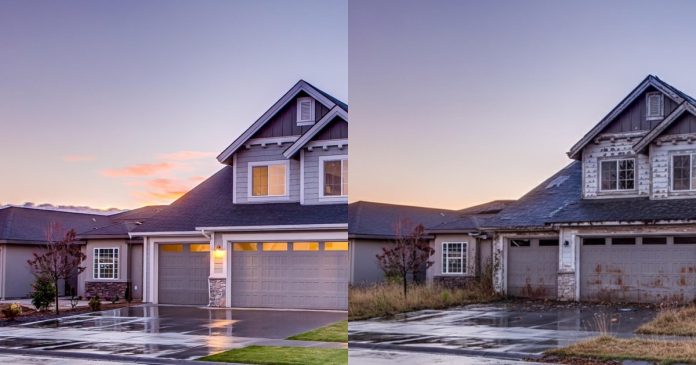
Recent reports point to a growing trend in the real estate market, where landlords are using these tools to dramatically enhance property photos.
According to Futurism, AI is being used for everything from removing stains and repainting walls to adding fixtures and furniture that don’t actually exist.
Why is this important? These AI enhancements blur the line between genuine listings and digitally altered visuals, raising transparency and trust concerns in the housing market.
Manipulated images can easily mislead prospective renters and buyers, masking issues that could lead to disappointment or poor decisions.
This trend may also distort market dynamics by making low-quality units appear premium, indirectly influencing prices.
For now, the burden falls on renters and buyers to verify what’s real, but if this trend continues unchecked, regulatory oversight might become unavoidable.
Why should I care? If you’re house hunting online, those flawless apartment photos might be too good to be true.
Misleading photos can not only waste your time and money, but also break your trust, especially if you’re relocating or signing a lease remotely.
With AI-edited photos becoming commonplace on online real estate platforms, visiting properties or asking for unedited images is more important than ever.
Learning how to spot digitally enhanced images will also help you avoid scams and overpriced properties.
What’s next? Real estate platforms may soon need to introduce disclosure rules or verification systems for AI-edited images. Alternatively, regulators may have to step in and require landlords to clearly label listings that use AI enhancements. Until then, staying skeptical and double-checking listings remains the best defence for renters and buyers.
[ad_2]