[ad_1]
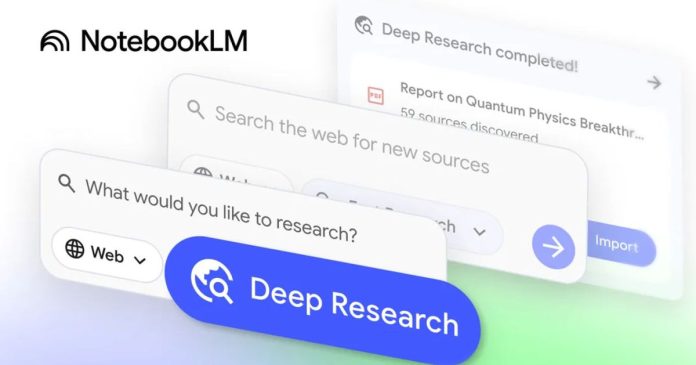
What’s happened? Google is turning NotebookLM into a more serious research tool. The latest update adds Deep Research plus support for the kinds of files that usually live in your Drive instead of your downloads folder.
- According to a Google blog post, Deep Research can browse hundreds of sites, follow a plan based on your question, then return a structured, source-grounded report.
- You can drop that report and its sources straight into a notebook, then use features like Audio or Video overviews to pull out big ideas.
- NotebookLM now accepts Google Sheets, Drive files via URL, images, PDFs stored in Drive, and Microsoft Word (.docx) documents, with the rollout hitting all users over the next week.
This is important because: NotebookLM is edging closer to being a proper research home. It now fits around the files and services you already use instead of asking you to rebuild everything from scratch.
- You can question the same spreadsheets, drafts, and uploads you rely on for work or class, instead of copying chunks into a separate tool.
- Drive links, structured data, and visual material can sit in one notebook so background reading, side notes, and reference docs stay searchable together.
- When Deep Research sends its own reports and sources back into a notebook, each project can evolve into a knowledge base that survives from first idea to final write up.
Why should I care? For students, self learners, and anyone retraining, this looks a lot like a study tool on steroids. It brings your messy mix of PDFs, docs, and notes into one place and gives you a way to actually work through them.
- You can load in lecture PDFs, data in Sheets, and a Word draft, then ask NotebookLM to explain key ideas in simpler language or build targeted summaries.
- Photos of handwritten notes or printed handouts become searchable, so the material that used to stay buried in a notebook can feed into your study plan.
- Deep Research can turn a fuzzy question into a clearer path through a topic, with explanations and follow ups that match what you still do not understand.
Okay, so what’s next? The smart move is to let AI sit at the center of your workflow instead of treating it like a side tab. If NotebookLM becomes where your projects actually live, each new course or brief can follow a repeatable pattern.
- Start by pulling in what you already have, then point Deep Research at the gaps so it can build a focused reading queue instead of another pile of random links.
- Use NotebookLM’s more active tools to turn reports and highlights into quick quizzes or short review sessions that you can actually stick with.
- Layer in other AI helpers, like Gemini for tricky explanations, and drop the best outputs back into NotebookLM so your notes, sources, and generated material stay in one synced workspace.
[ad_2]